How to Brake a Vehicle Safely

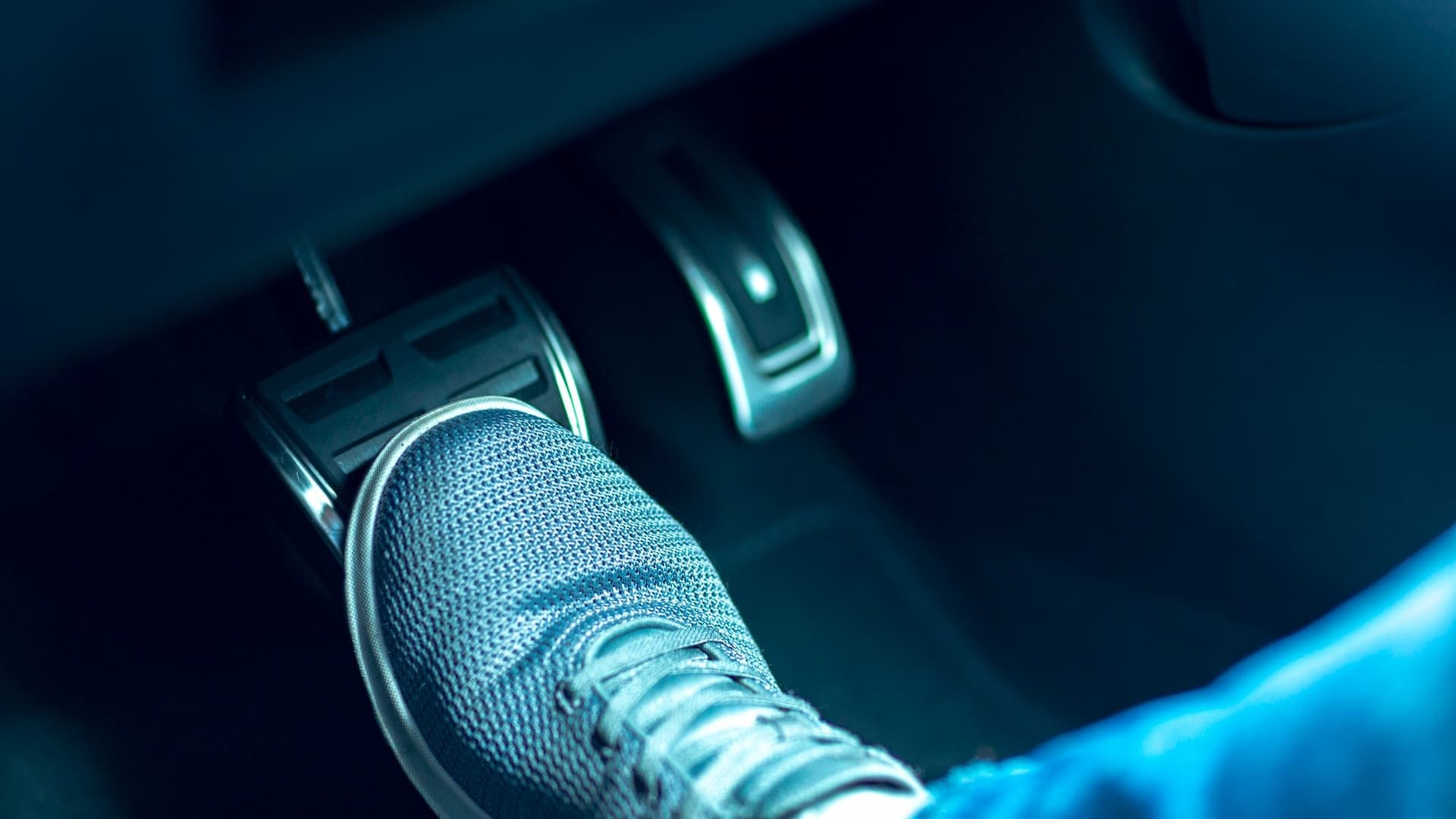
It is very important to have a clear understanding of how to stop a vehicle correctly and safely, so MotorGuide thought we would talk about how to brake a vehicle correctly.
Stopping a vehicle is not just about stepping on the brakes, it is a process that requires a little care. There are usually several correct ways to brake. (Manual / Automatic)
Braking under normal conditions
First, study the road conditions from a distance — traffic lights, pedestrian crossings, the speed of vehicles in front, how parking spaces are visible. If you know this in advance, you will not need to brake suddenly.
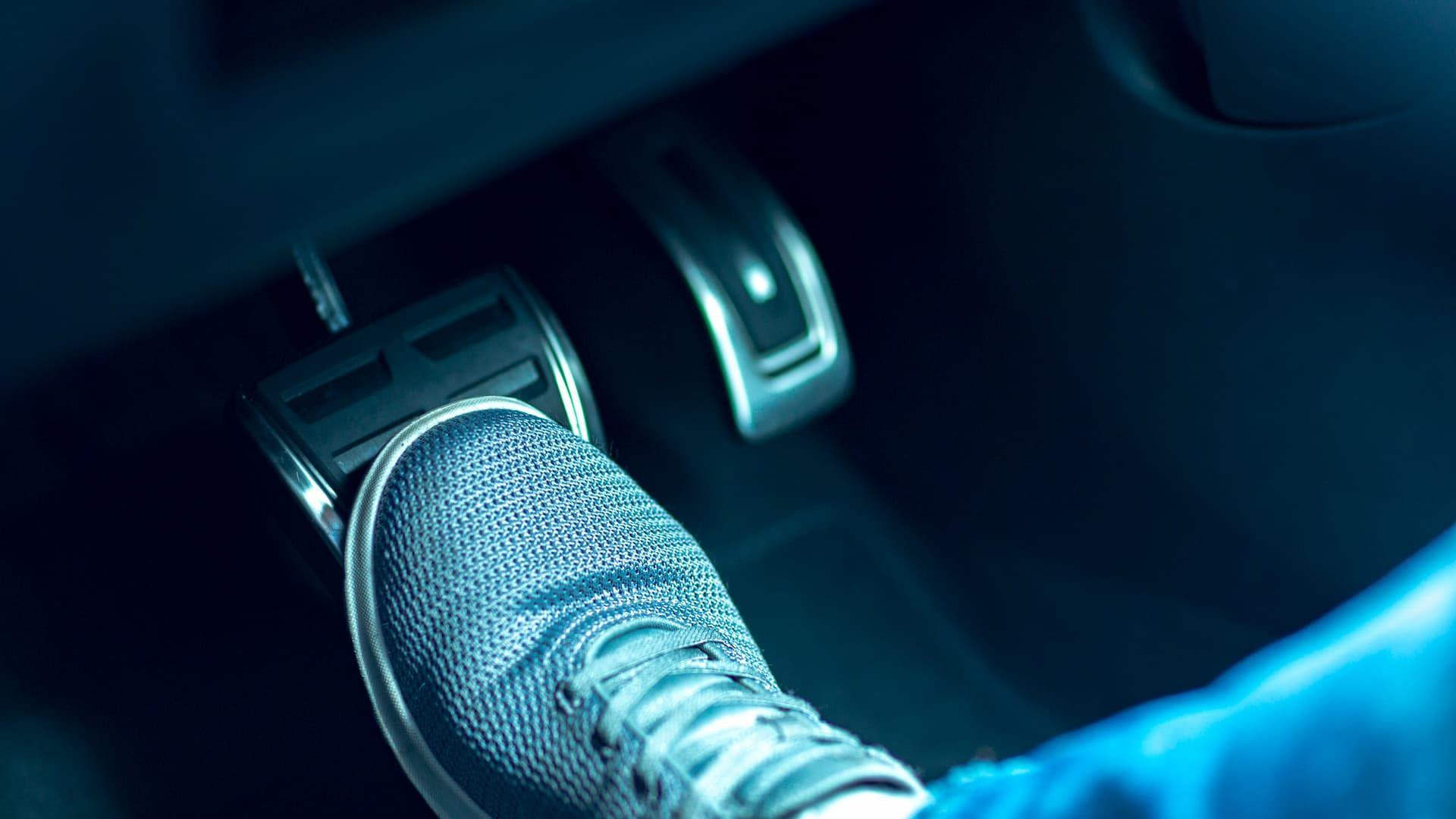
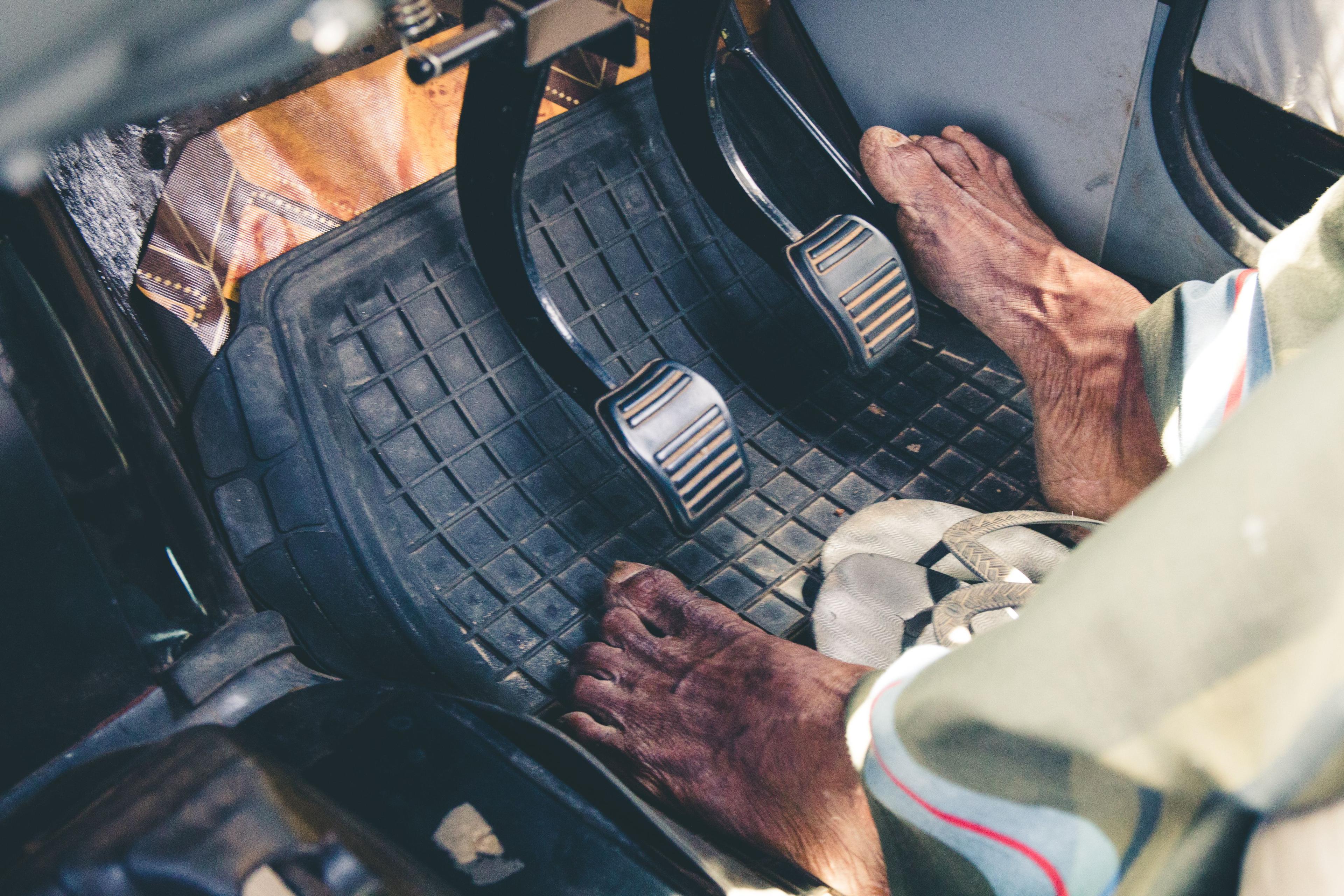
Use Progressive Braking: Take your foot off the accelerator and gradually press the brake pedal. Gradually increase the pressure and release the brake a little when the vehicle slows down. This will help the vehicle stop smoothly (called a chauffeur stop).
In a manual vehicle

In a manual vehicle, you can slow the vehicle down using the gear. First, use the brake to slow down, then apply the clutch. When the engine is close to stalling, fully depress the clutch pedal.
Use Engine Braking: When going down a long hill or needing to slow down quickly, downshift from 4 → 3 → 2. This will reduce the pressure in the brake system.
In an emergency (Emergency Braking)
- If you have ABS: Press and hold the brake pedal as hard as possible. The pedal may feel pulsating — this is normal.
- If you don't have ABS: Use threshold braking. Apply the brakes hard until the wheels are about to lock up. If they do, ease off a little and apply again.
Driving Downhill
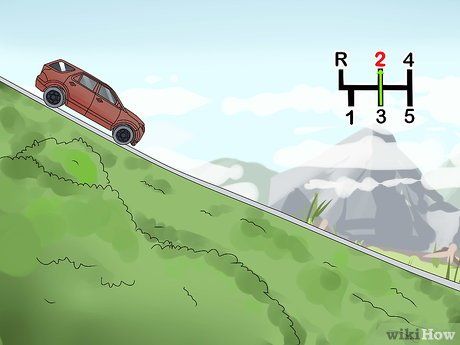
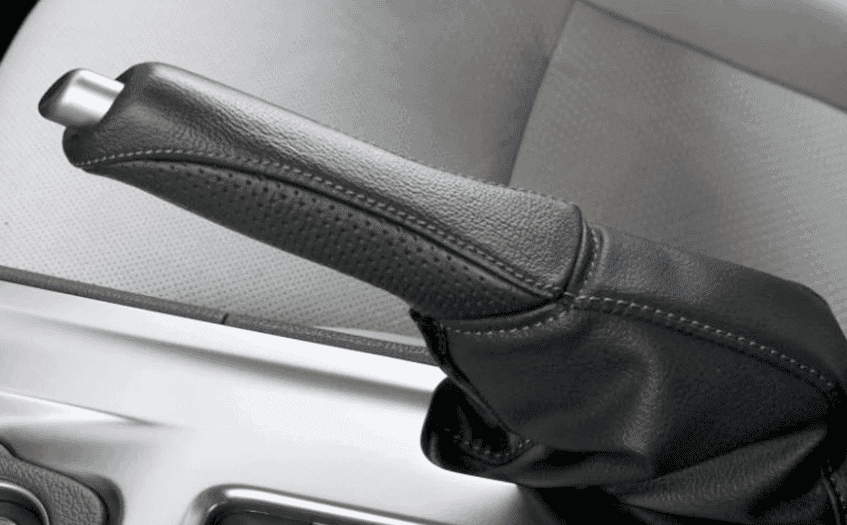
If the brakes fail, turn on the hazard lights. Then pump the brake pedal repeatedly. Then apply the handbrake gradually — do not apply it all at once.
If you have a manual transmission, downshift. For example, from 4th to 3rd, or from 3rd to 2nd. If automatic, shift down to D → 3 → 2 → L.
When trying to stop the vehicle, steer to a less dangerous place such as a guard rail, sandbank, or a steep slope.
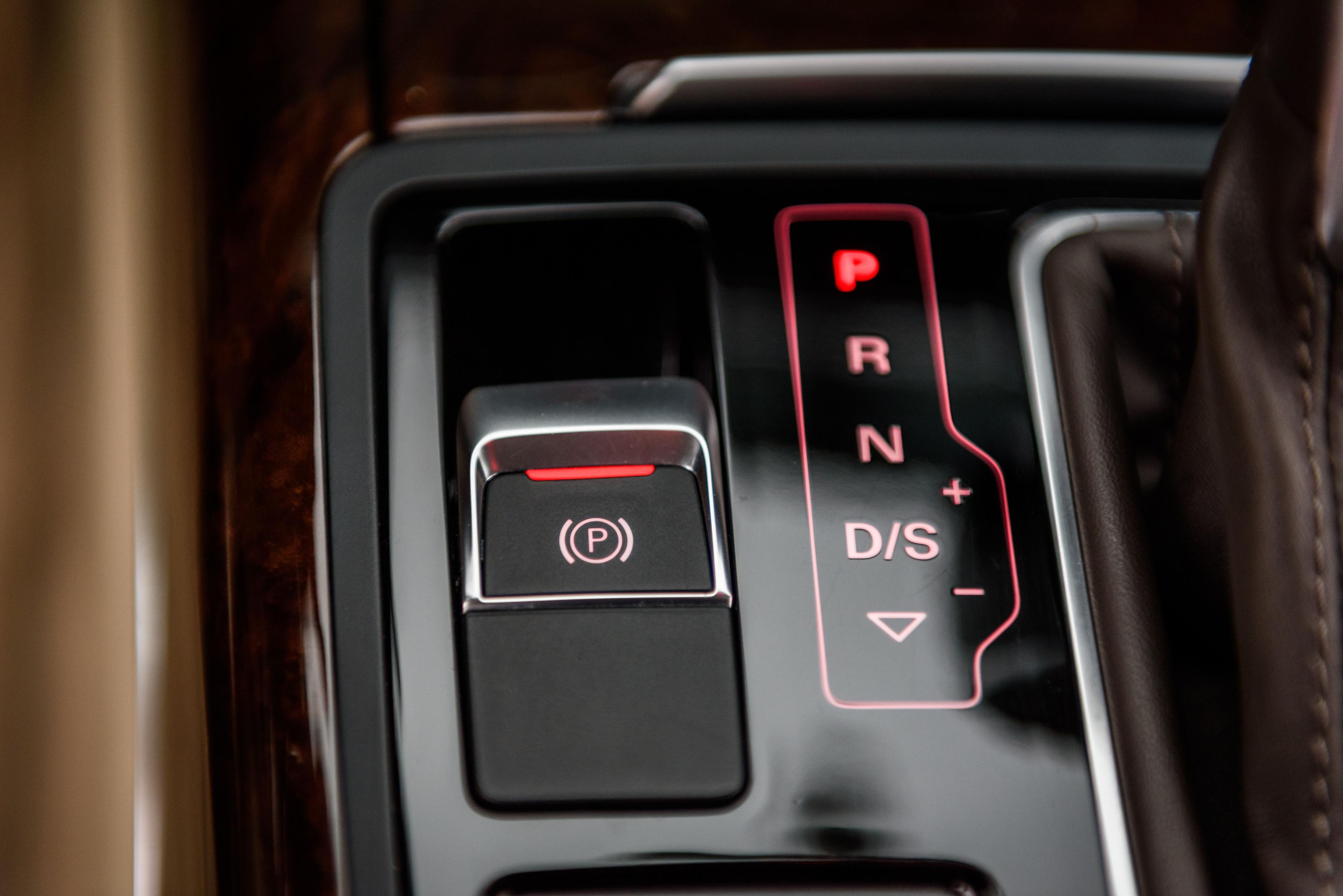
Using the EPB (Electronic Parking Brake)
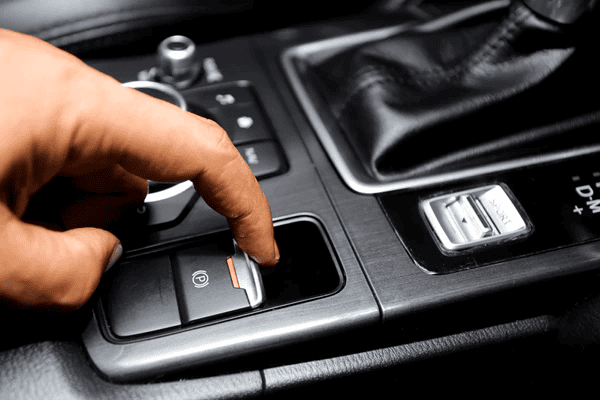
Pull and hold the EPB switch. This will gradually apply the braking force. Never pull and release it all at once. The wheels may lock and skid.
Shift down to apply engine braking. If automatic, use “L” or “–”; if manual, shift down one gear at a time.
Keep steering control. The vehicle may be a little unstable when the EPB is applied, but it is still controllable. Use hazard lights to warn other drivers.
EPB is not a substitute for the main braking system. Use it only in an emergency. Check your vehicle's Owner's Manual.
Contact Braking (Last resort)
Use only when there is no other option in mountainous or urban conditions. Slowly pull over a vehicle or guardrail and slow down. But this is a very dangerous method — only a last resort to save lives.
Key things to remember
- Stay calm — panic impairs decision-making.
- Downshift and apply the handbrake gradually at the same time.
- Stop the vehicle, move it to a safe location, and call a mechanic.
Although this situation is dangerous, following the steps above calmly can minimize the risk.

Written by
Nisaga Sandaru
A versatile and highly experienced professional, currently an Automobile undergraduate at the University of Jaffna, with strong technical expertise grounded in hands-on work as a technician with SriLankan Airlines Ground Support Equipment (GSE). Holding an Automobile NVQ Level 3 qualification, along with specialized certifications in Vehicle ECU Programming and Diagnosis, and extensive experience in arc welding and vehicle body painting, and well equipped to handle complex automotive, diagnostic, and fabrication-related tasks with a high level of competence.