What Are the Signs at Intersections and Their Rules?

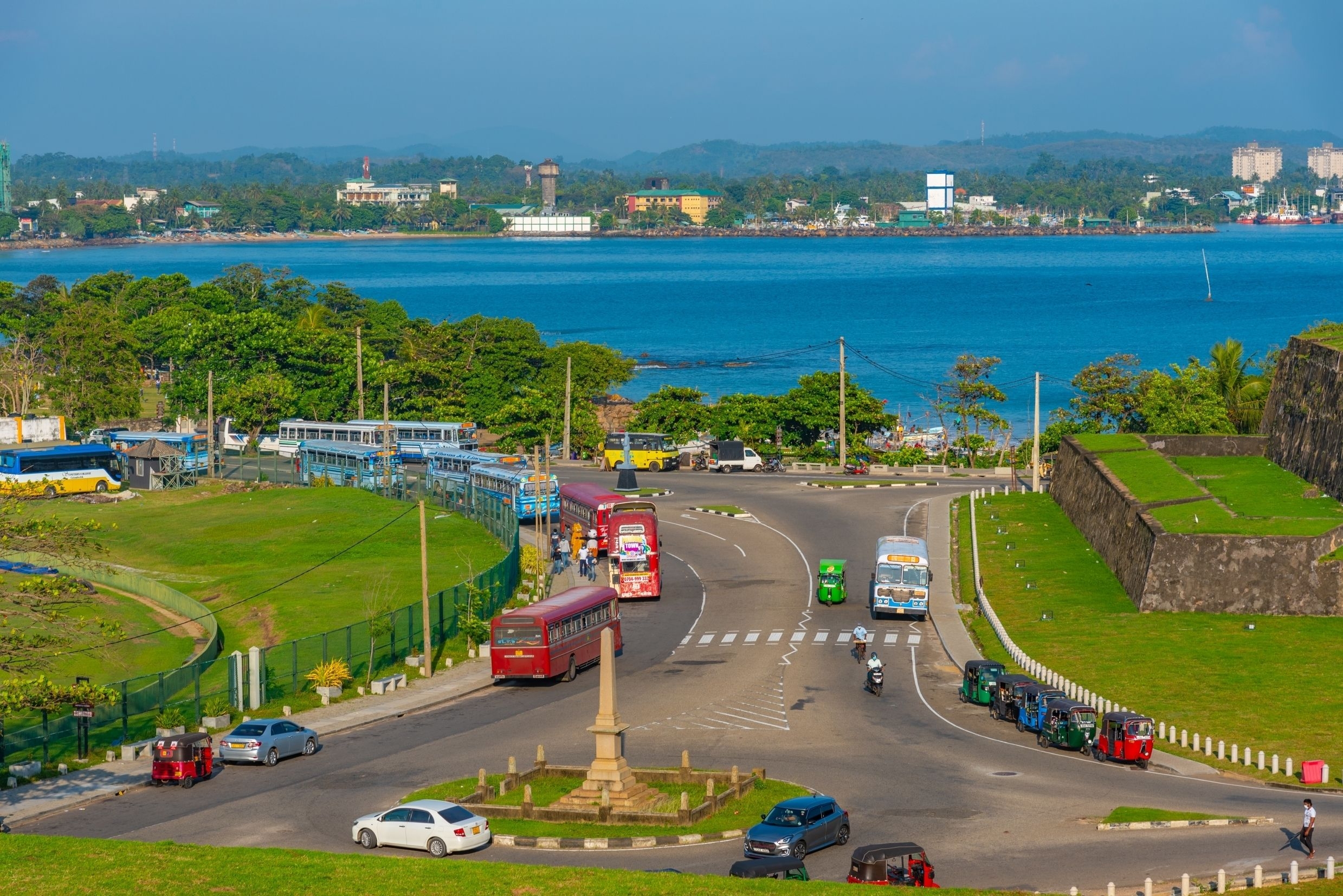
Do you know how to navigate a four-way intersection without getting lost? It's not just at four-way intersections; if you're driving a vehicle, you need to know how to properly navigate even a three-way intersection. This is about the markings at an intersection. Not being aware of these things is when various accidents occur. That's why MotorGuide today will tell you about the markings at intersections and their rules.
What are Four-way and Three-way Intersections?
We can identify the markings and turning rules at an intersection under two main categories. The first is intersecting roads. You've heard of four-way intersections, right? Those are intersecting roads. The second is an intersection where three roads meet. Those are called three-way intersections.
What are the Markings and Rules at a Four-way Intersection?
Even if there isn't a roundabout in the middle of this intersection, there are applicable rules.
- If there is no clear path to exit the intersection, you must stop before the give-way line.
- However, you cannot enter the intersection and stop your vehicle. That is prohibited.
- If there are signs indicating to give priority to pedestrians, you must be mindful of them.
How to Turn Left at a Four-way Intersection?
- If there is more than one lane, you must be in the leftmost lane.
- If there is a single traffic light on the left side of the road, you must proceed according to its signals.
- If there is no traffic light on the left, but dual traffic lights are installed above the road, the signal for going straight ahead also allows you to turn left.
- However, if there are no traffic lights, you can safely turn left by giving priority to vehicles coming from the right.
How to go straight at a four-way intersection?
- If there are only two lanes, you must be in the left lane; if there are more than two lanes, you must be in the middle lane or the lane marked on the road.
- If there are no dual traffic lights above the road and a single traffic light on the left side of the road, you must drive according to the signals on that light.
- Sometimes, there might be no light on the left, but dual traffic lights are installed above the road. In that case, you should proceed straight only according to the straight-ahead signal.
- Imagine there are no traffic lights. Then you should safely drive straight ahead by giving priority to vehicles coming from the right.
How to Turn Right at a Four-way Intersection?
- If there is more than one lane, you must drive in the rightmost lane.
- If there is a single traffic light on the right side of the road, you must proceed according to its signals.
- Sometimes, there might be no light on the right, but dual traffic lights are installed above the road. In that situation, the right-turn signal on it allows you to turn right.
- If there are no traffic lights, you can safely turn right by giving priority to vehicles coming from the right.
What are the Markings and Rules at a Three-way Intersection?
This intersection can exist in shapes other than a T-shape. Also, these rules are valid in all situations.
- If there is no clear path to exit the intersection, you must stop before the give-way line.
- However, you cannot enter the intersection and stop your vehicle. That is prohibited.
- If there are signs indicating to give priority to pedestrians, you must be mindful of them.
How to Turn Left at a Three-way Intersection?
- If there is more than one lane, you must be in the leftmost lane.
- If there is a single traffic light on the left side of the road, you must drive according to its signals.
- Consider a situation where there is no traffic light on the left, but dual traffic lights are installed above the road or on the opposite side of the road (i.e., straight ahead). In that case, the signal on the left board allows you to turn left.
- If there are no traffic lights, you can safely turn left by giving priority to vehicles coming from the right.
- If a minor road connects to a main road, you must always give priority to the main road.
How to Turn Right at a Three-way Intersection?
- If there is more than one lane, you must be in the rightmost lane.
- If there is a single traffic light on the right side of the road, you must proceed according to its signals.
- Now consider a situation where there is no traffic light on the right, but dual traffic lights are installed above the road or on the opposite side of the road (i.e., straight ahead). In such a situation, the signal on the right board allows you to cross the road and turn right.
- If there are no traffic lights, you can safely cross the road and turn right by giving priority to vehicles coming from the right.
- The other thing is, if a minor road connects to a main road, you must always give priority to the main road.
Now you can drive your vehicle through four-way and three-way intersections without any fear. But for that, you need to remember well what we discussed today. Only then can you ensure safety for yourself and for others on the road.

Written by
Nipuna Marasinghe