Why a Car Engine Stops at Railway Crossings

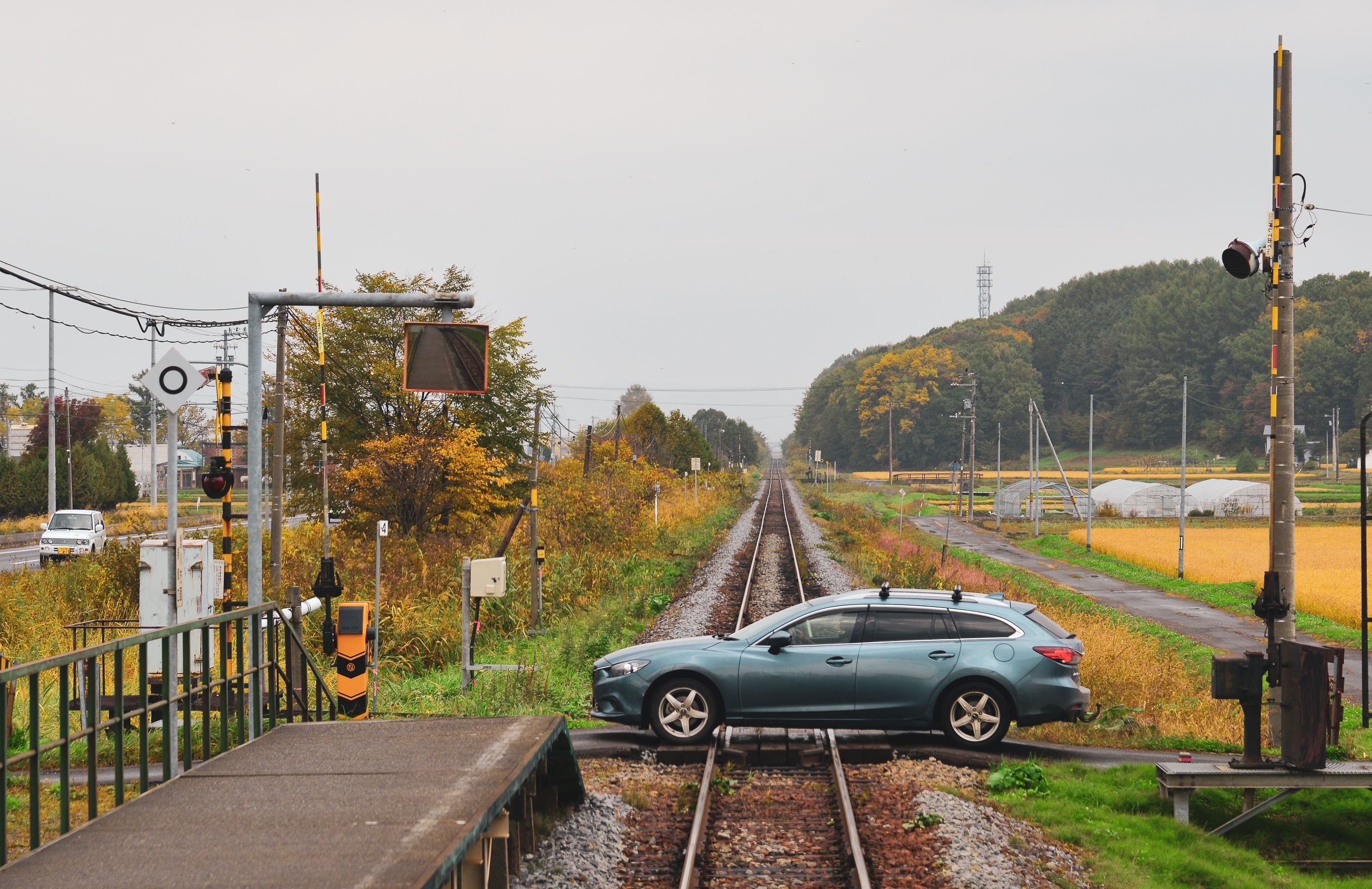
When driving a vehicle, you sometimes have to drive through railway crossings in various situations. What if the engine suddenly stops at that moment? If the heart of the vehicle stops on the railway track, it's like our heart stopping, isn't it? Why does the vehicle stop at such times? Let's say it stops; the problem is, it doesn't start again at that very moment. You must have thought this countless times. Perhaps you've even faced such problems. That's why MotorGuide is telling you today why a vehicle's engine stops at railway crossings.
How to cross a railway track with a vehicle?
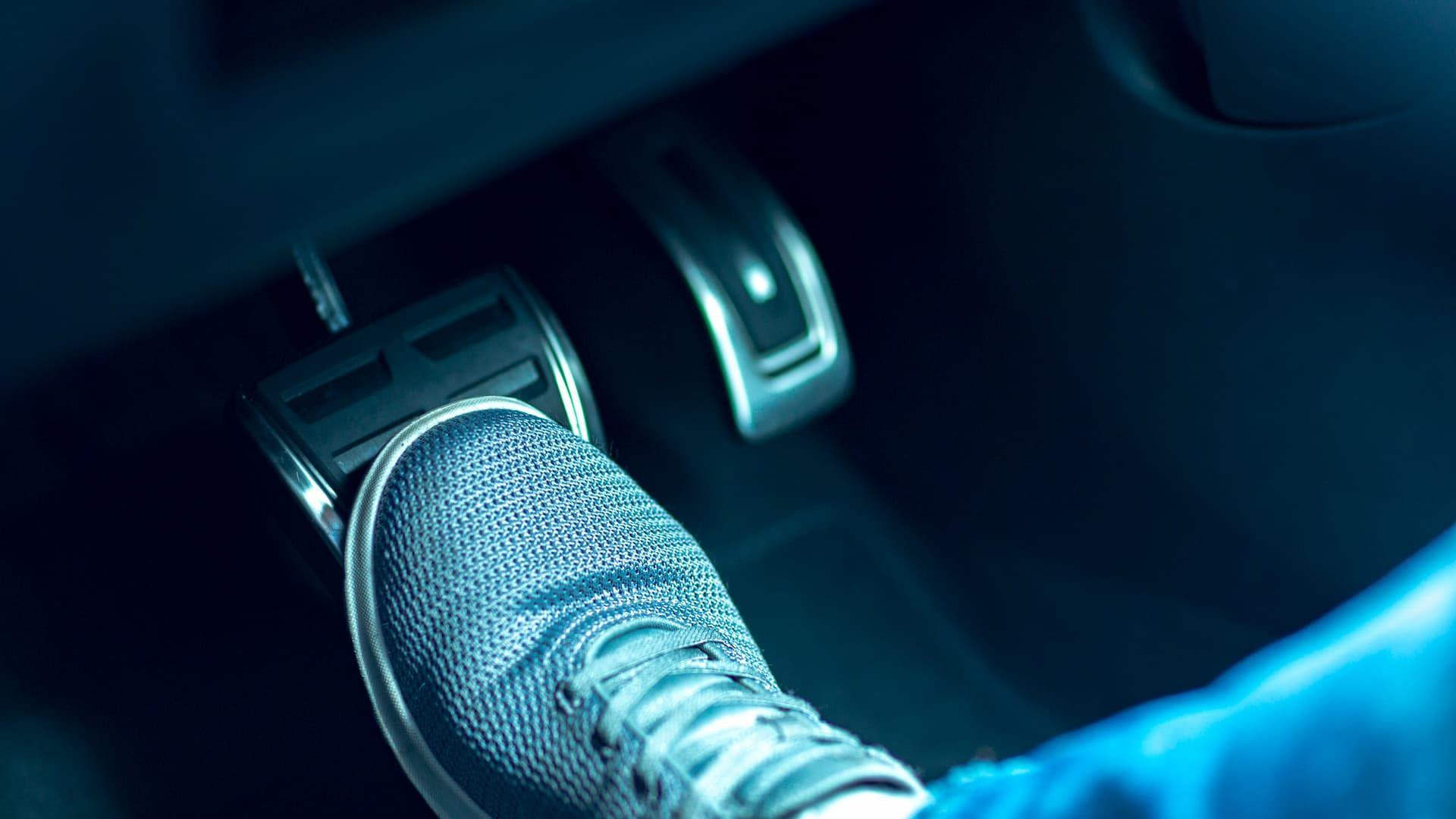
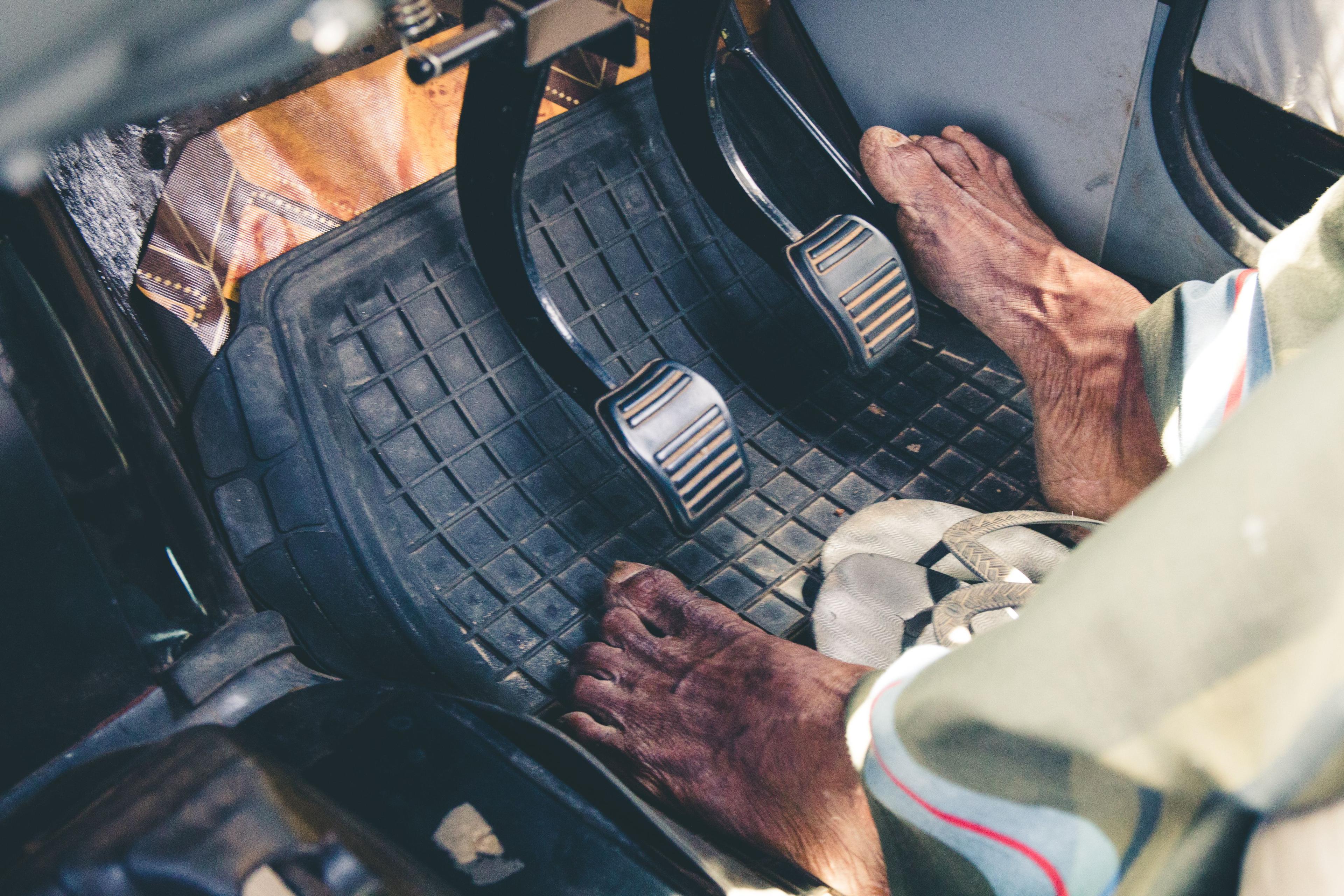
A railway crossing is usually a bit higher than a normal road. Even if not, the railway track can be slippery. This means that crossing a railway crossing is definitely like crossing an obstacle. If you are driving a manual vehicle, you will have to cross the railway track by slowing down the current gear or by using clutch balance. In an auto gear vehicle, since you don't need to accelerate, you cross by releasing the brake.
Does the engine really stop on a railway track?
If you suddenly stop your vehicle on a railway track, it can slow down and come to a complete stop. What happens there is not the engine stopping, but the vehicle coming to a complete stop. So, if you happen to stop your vehicle on a railway track, due to its slipperiness and slight elevation, you might have to race the engine. However, that requires a lot of power.
In a manual vehicle, you need to be very careful in such a situation, because the engine can suddenly stop. But even in an auto vehicle, if there's a mechanical or electrical fault, the vehicle can stop. So, you need to be mindful of that too.
Does the vehicle stop due to a train's magnetic field?
If the engine stops at a railway crossing, some people think it's due to the train's magnetic field. This mostly affects those driving vehicles where the engine sound is not very audible. Because even if the engine is running, you might, for the moment, think that the engine turns off due to a magnetic field generated when stopped on a railway crossing. You panic thinking that. You can't quite figure out if the vehicle is on or off. At that point, you'll still think the vehicle isn't running.
For a magnetic field to be generated, a current must definitely flow. Then a magnetic field can be created around the wire carrying that current. Otherwise, it must be naturally magnetic.
Scientifically, it has not been found that a train's magnetic field affects a vehicle's start system when the train approaches from a distance. Mostly, what happens there is you panic and you're driving unsafely by stopping the vehicle on a railway track. Therefore, you cannot say that a magnetic field is generated just because a train passes. Especially, you definitely cannot say that a magnetic field is generated in a way that affects something else.
How to prevent accidents at railway crossings?
Check if a train is coming
Whatever the situation, if you're driving, you have to go through a railway crossing. But first, you need to check if a train is coming or not. Gates, signal lights, and bells are installed to inform about an approaching train.
In some cases, there are only signal lights without a gate. In such situations, you need to be very careful. If the red light is on, you must keep your vehicle stopped until the train passes. In such a situation, do not accidentally drive your vehicle across the railway crossing.
Do not stop the vehicle on the railway crossing
There are other situations where there is no gate, signal light, or bell. In such a case, do not stop your vehicle on the railway track even in an emergency. One situation where you might have to stop your vehicle on the railway crossing is traffic. In traffic, after the vehicle in front stops, a situation might arise where you have to stop your vehicle exactly on the railway track. If you approach a crossing while in traffic, stop your vehicle before the crossing, maintaining a distance equal to your vehicle, instead of stopping on the crossing. Because if an emergency happens, you can then move your vehicle onto it.
Have a good understanding of vehicle control
To prevent accidents that can happen when crossing a railway crossing, you must definitely have a good understanding of vehicle control. That means you need to be aware of things like whether the vehicle's engine is on or off, whether it starts when in gear, or if it's in neutral. When you don't have this understanding, that's when you spontaneously panic. Therefore, be mindful of your vehicle's control.
What to do if the vehicle stops at a railway crossing?
If your engine turns off on its own, or if there's a mechanical fault and the vehicle genuinely stops and won't start, the best thing to do is to quickly get out of the vehicle. Because you don't know exactly how long it will take for the train to arrive.
Next, since the vehicle might be hit by the train and thrown, do not stay near it. After that, inform the two nearby railway stations. At least call 119. Because then that message can be given, and there might be an opportunity to stop the train midway.
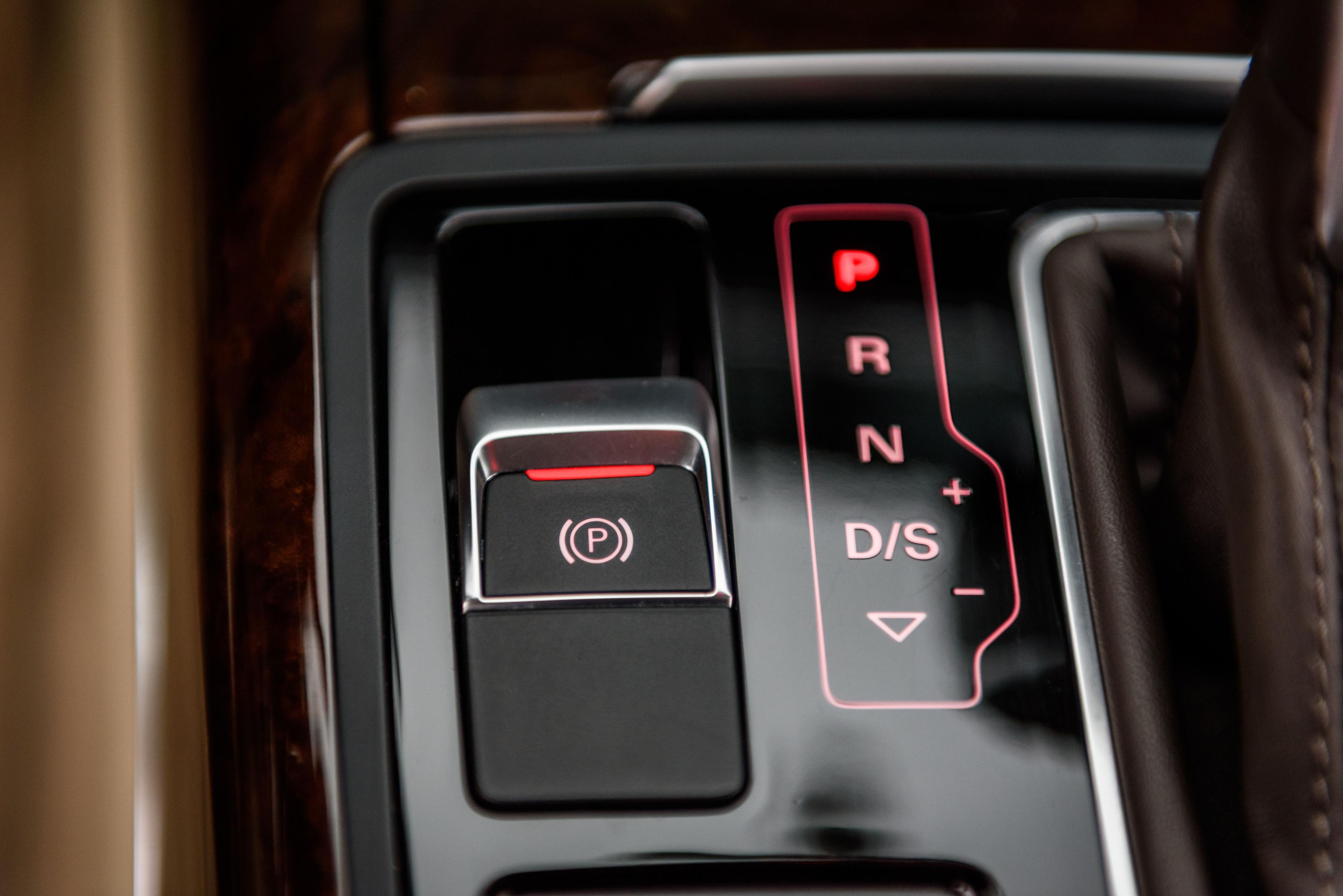
If you know for sure that the train is coming within a time frame sufficient to remove your vehicle from the railway crossing, and if the vehicle is not starting, you can get help from people around you to push the vehicle off the crossing. In an auto vehicle, you can press the shift lock button, put it into neutral, and then push the vehicle from there. In a manual vehicle, there's no problem; we can put it into neutral. However, you should only do this if you have first moved away from the vehicle and have enough time.
You now know well the answer to the question of why a vehicle's engine stops at a railway crossing, as well as what to do if the vehicle genuinely stops and won't start on a railway track. Therefore, from now on, you should act without panicking in such situations. If you drive carefully at all times, these things will not be problems for you. So, when going through a railway crossing, definitely remember the things we told you today.

Written by
Nipuna Marasinghe