Know About the ABS That Guides in Emergency Situations

“Speed is never the cause for trouble, it's the sudden stops that get to you…” From their inception, people strive to get themselves a nice set of wheels to get around town. Some look for a comfortable ride, while others prioritize practicality and the car's exterior appearance. However, everyone who has gotten their hands dirty with a faint bit of engine oil knows that speed is the name of the game; nothing short of a family wagon is overlooked when it comes to the speed category. This is true even though the practicality of Sri Lankan speeding laws often doesn't align with what a buyer is looking for. For all thrill-seekers and town commuters alike, ABS is a revolutionary safety feature that could be the difference between safety and danger.
What is the mechanical wizardry behind ABS
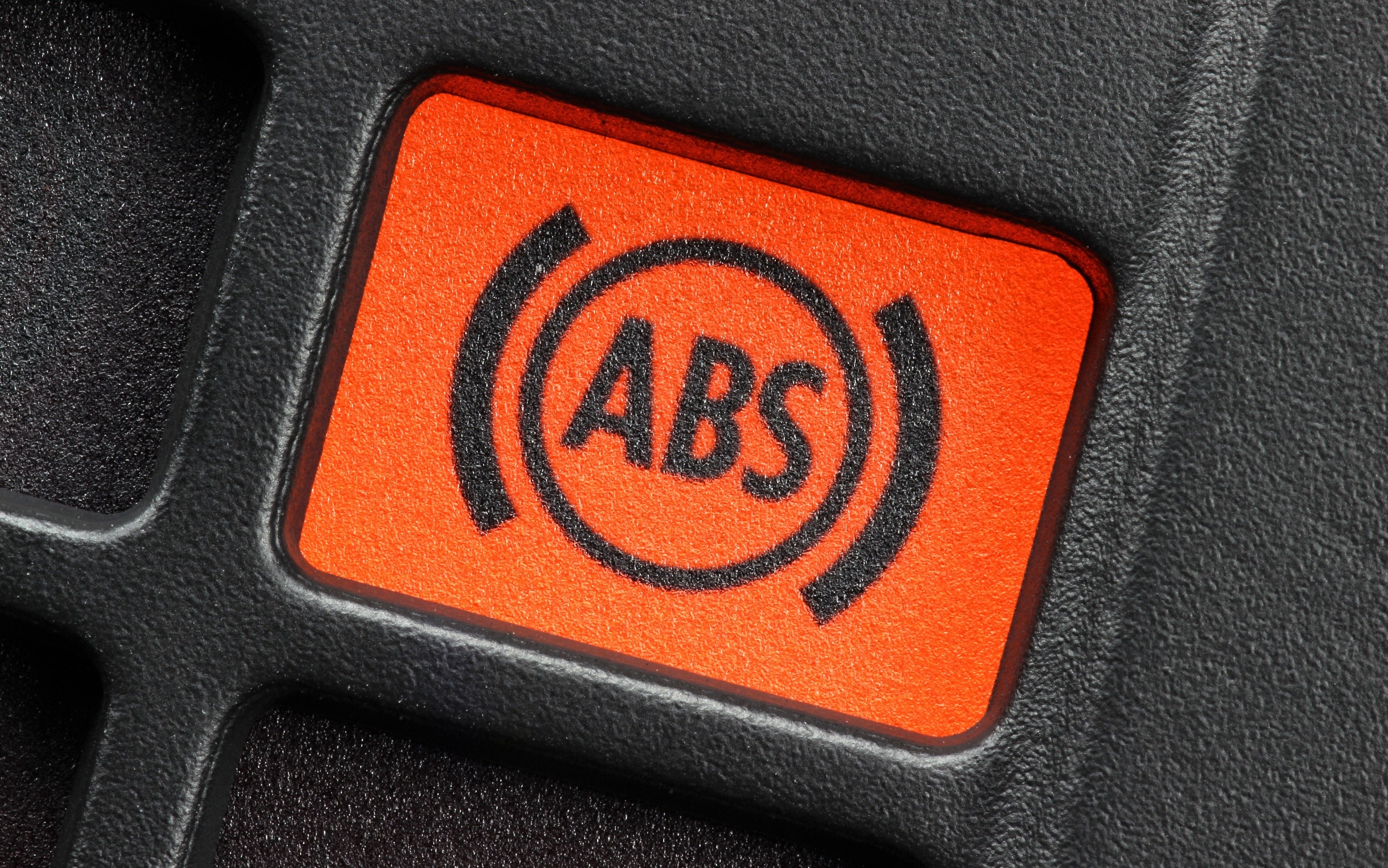
Anti-lock Braking System, or ABS for short, could be a tiny indicator on your dashboard that you never thought to look at twice, or it may be the tagline of a new and upcoming bike featuring ABS in an expensive trim. So, how does this work exactly? When you press hard on the brakes in certain conditions, your continuously applied brakes could cause the wheels to lock up, sending the vehicle into an almost horizontal freefall where the driver is overpowered by the vehicle's momentum, leading to hazardous turns.
To prevent this, computer sensors work in sync with solenoid valves to determine wheel speed and road conditions, providing an almost on-and-off gesture with the brakes, ensuring the wheels don't lock up and maintain traction with the road. The computing unit performs its wizardry by analyzing multiple conditions to execute the best outcome in a braking scenario. Especially in specific road conditions like gravel, your car might seem to have a mind of its own when the brakes are applied, potentially causing the vehicle to flip in the worst-case scenario. ABS allows you to maintain a certain amount of control within a relatively short braking distance.
How does ABS go hand in hand with the safety of passengers
An ABS system consists of wheel speed sensors, solenoid valves, pumps, and the ECU, the brain of any vehicle.
This system constantly monitors the wheel speed of the vehicle and sends the relevant data for the ECU to process.
The ABS controller is an always-on system waiting for a direct command that meets the relevant conditions to brake at a given time, expecting no surprises and always assuming the worst.
The controller relieves some of the pressure from the adjacent brake valves, constantly depressurizing and repressurizing to create a vacuum, which is almost a constant binary motion.
It's correlated with wheel speed; as the wheels slow down, the pressure is relieved, while when it increases, the pressure is increased to create room for maximum braking potential.
Are there different types of ABS?
We can generally categorize ABS into three different variants:
The first variant is a four-channel individual sensor system where each of the vehicle's four wheels has individual sensors and pumps to create a specific and appropriate response for each set of tires, ensuring maximum control in any given situation.
The second variant is most commonly found in your average pickup truck, where the front axle has individual sensors while the rear axle has a common sensor. This is possibly unreasonable considering pickup trucks carry their load on the rear tires, which need more attention and careful consideration from design engineers.
The third is a single-channel system, which does the job, but you're not going to find it as effective. A single input sensor works with the ECU to provide feedback for all four wheels of the vehicle.
Maybe you haven't seen or heard about ABS other than from the ever-so-forgettable light on the dashboard or the spec sheet of your newly bought vehicle. Now that you have some knowledge on how it works, you'll be thanking it every single day, whether you're a town commuter or a thrill-seeker, for keeping your wheels on the streets and not in the air. It certainly stays true to the fact that speed itself does not cause damage, but it's the sudden stops that get you, so keep your brakes in check with ABS close to your foot.

Written by
Nipuna Marasinghe