Know These Things Before Changing Engine Oil


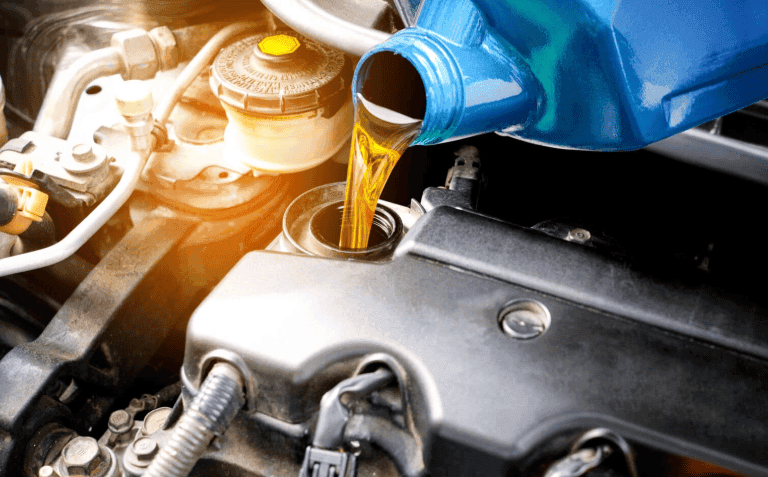
Engine oil is an essential component for any vehicle. Therefore, it's crucial to change the engine oil according to the recommended schedule. However, this isn't something that can be done haphazardly. Even a small mistake during an engine oil change can cause significant damage to the vehicle.
That's why today, through MotorGuide, we're telling you about a few things you absolutely must consider before changing your engine oil.
Key Functions of Engine Oil
- Lubrication, minimizing friction and wear between internal moving parts of the engine.
- Acting as a cleaner inside the engine.
- Acting as a coolant.
- Minimizing corrosion of internal metal parts.
- Acting as a seal between internal engine parts.
- Absorbing internal vibrations of the engine.
- Acting as a fluid for energy transmission.
When should it be changed?
Engine oil does expire. However, we cannot determine if the engine oil has expired just by looking at the expiry date on the bottle label. This is because, in addition to the expiry date, factors like the type of oil, extreme temperatures, oxidation, and storage method can cause variations in the actual expiry.
Specifically, an unopened bottle of engine oil can be stored for a long period, typically 2-5 years. However, once the engine oil bottle is opened, its effectiveness begins to diminish. Therefore, it is best to use opened engine oil bottles within a year.
Fill the correct amount of engine oil
Underfilling your car with oil can lead to engine seal or gasket leaks. Similarly, overfilling can create significant friction around the engine, causing stress. Therefore, remember to fill the correct amount of engine oil.
Choose the right type of oil for your vehicle
Every vehicle has a specific type of oil. Engine oil is gauged by its viscosity. Using oil that is too thin for your vehicle can result in the engine's moving parts not being properly lubricated, causing metal components to grind against each other. Conversely, using oil that is too thick reduces fuel economy. Moreover, not using the correct engine oil for your vehicle can even shorten the engine's lifespan. Therefore, before changing your engine oil, choose the exact type of oil that suits your vehicle.
Tighten the oil filter correctly
When reinstalling the oil filter after an engine oil change, the filter should first be hand-tightened and then tightened with a tool. Insufficiently tightening or overtightening the filter can lead to dislodged gaskets (allowing contaminants into the engine) or cracked threads/O-rings (causing leaks).
Not lubricating the filter seal
Before placing the filter on the car, the gasket needs to be lubricated with oil. This allows the gasket to seat firmly against the engine. Failure to lubricate the seal can lead to the filter leaking or coming loose, causing oil leaks in your car.
So, these are the essential things you must know before changing your engine oil. From now on, when changing engine oil, be sure to follow the advice we gave you at MotorGuide.

Written by
Nipuna Marasinghe