Let's Learn About the Hydroplaning Effect

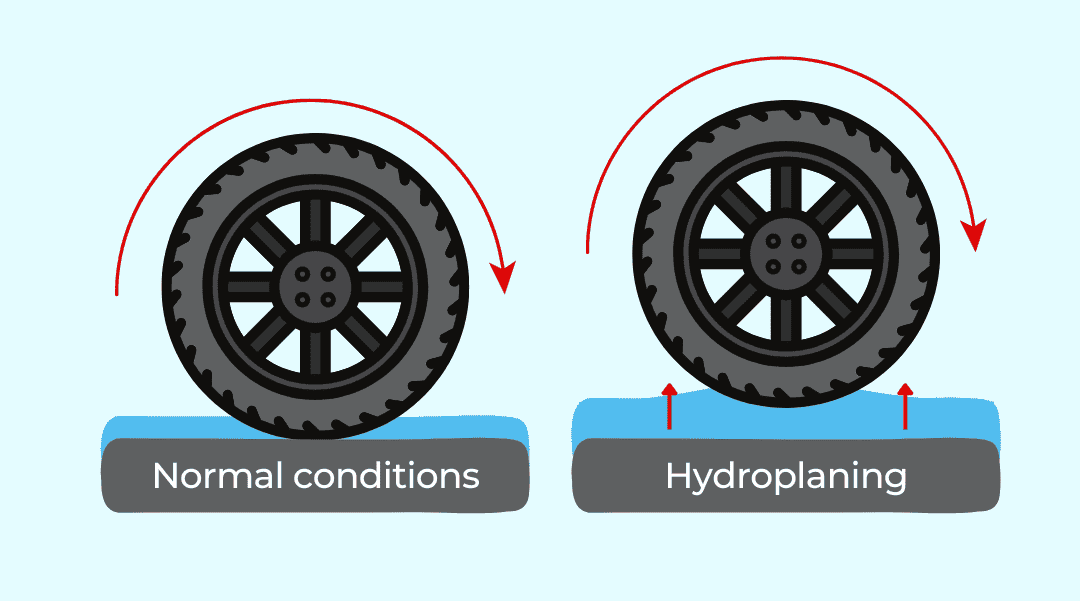
For everyone who drives, especially those who hit the road during the rainy season, one of the most dangerous situations you must absolutely be aware of is Hydroplaning. In simple terms, it means "sliding on water." Today, I will explain this in a way that is both technically accurate and easy to understand. This isn't just about slipping; there is a deeper mechanical reality at play here.
What is Hydroplaning?
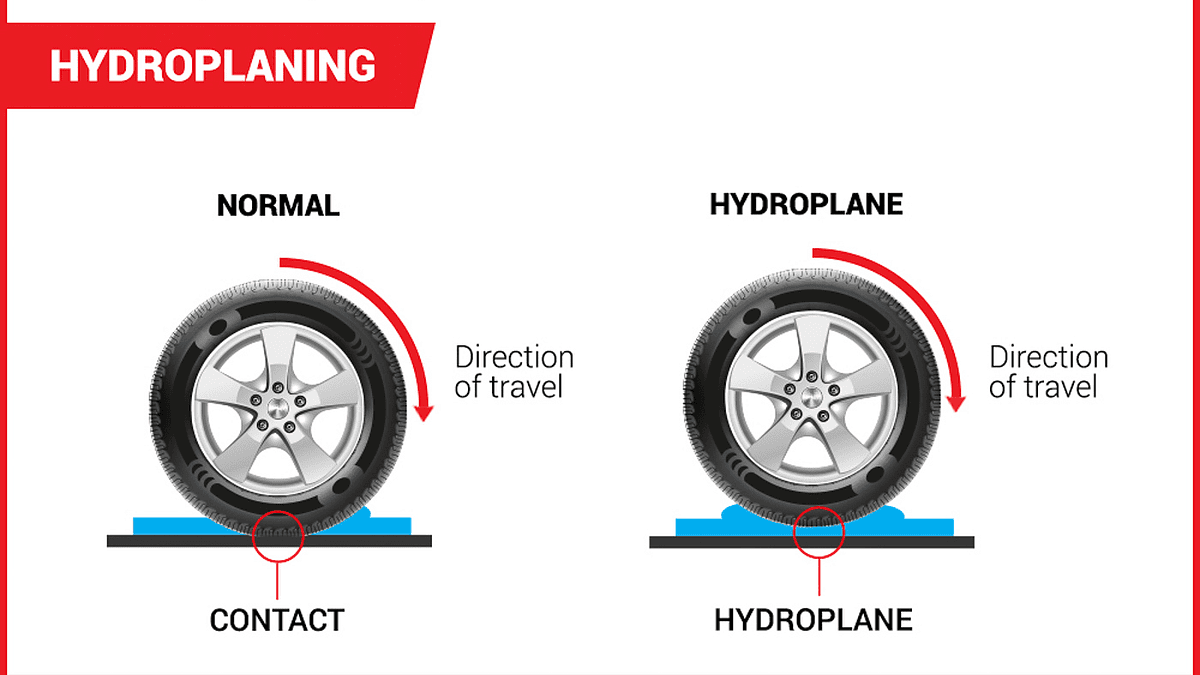
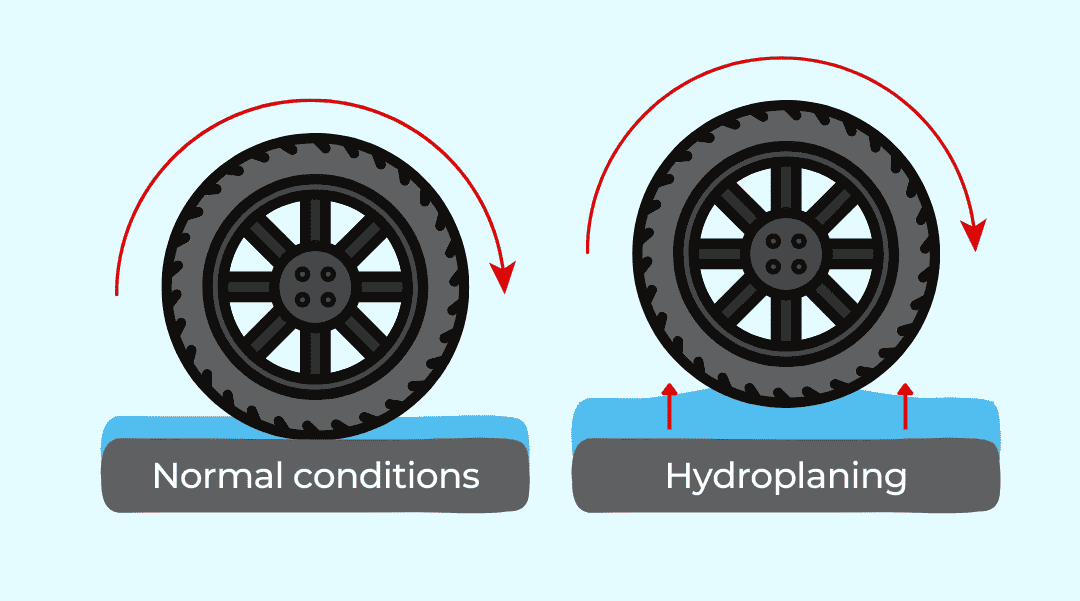
When we drive a vehicle, there must constantly be friction between the tires and the road. When the road is flooded during a downpour and your vehicle is moving at high speeds, the tires cannot effectively push that water out of the way to make contact with the road surface. As a result, a thin layer of water (a water film) builds up between the tire and the road. At that exact moment, the tire loses contact with the asphalt and begins to float on top of the water layer. It is exactly like a block of ice sliding across a smooth floor. During this state, you completely lose all steering and braking control of your vehicle.
The Main Causes of This Phenomenon
- Tire Condition: First, look at the condition of your tires. The grooves or treads on a tire are specifically designed to channel water outward and allow the rubber to grip the road. However, if you have worn-out tires, there simply isn't enough depth to displace the water.
- Vehicle Speed: Speed is a massive factor. Generally, when your speed exceeds 50-60 km/h on a wet road, the risk of hydroplaning increases drastically.
- Tire Pressure: This is another crucial element. An under-inflated tire tends to float on top of the water much more easily than a properly inflated one.
How Do You Know You Are Hydroplaning?
If you are driving and the steering wheel suddenly feels incredibly light or loose, it means the tires have lost grip with the road. Furthermore, if the engine RPM spikes suddenly without you pressing the accelerator harder, it means the wheels are just free-spinning without traction. More often than not, the rear end of the vehicle will also start to sway side to side (fishtailing). This all happens in a matter of seconds.
What Should You Do If This Happens?
The biggest mistake most people make is panicking and immediately slamming on the brakes. If you brake hard, the wheels will lock up, and the vehicle will spin wildly out of control. Here is the step-by-step process of what you should do:
- Take your foot off the accelerator: Let the vehicle's speed decrease naturally. Using engine braking to control the speed is the safest method here.
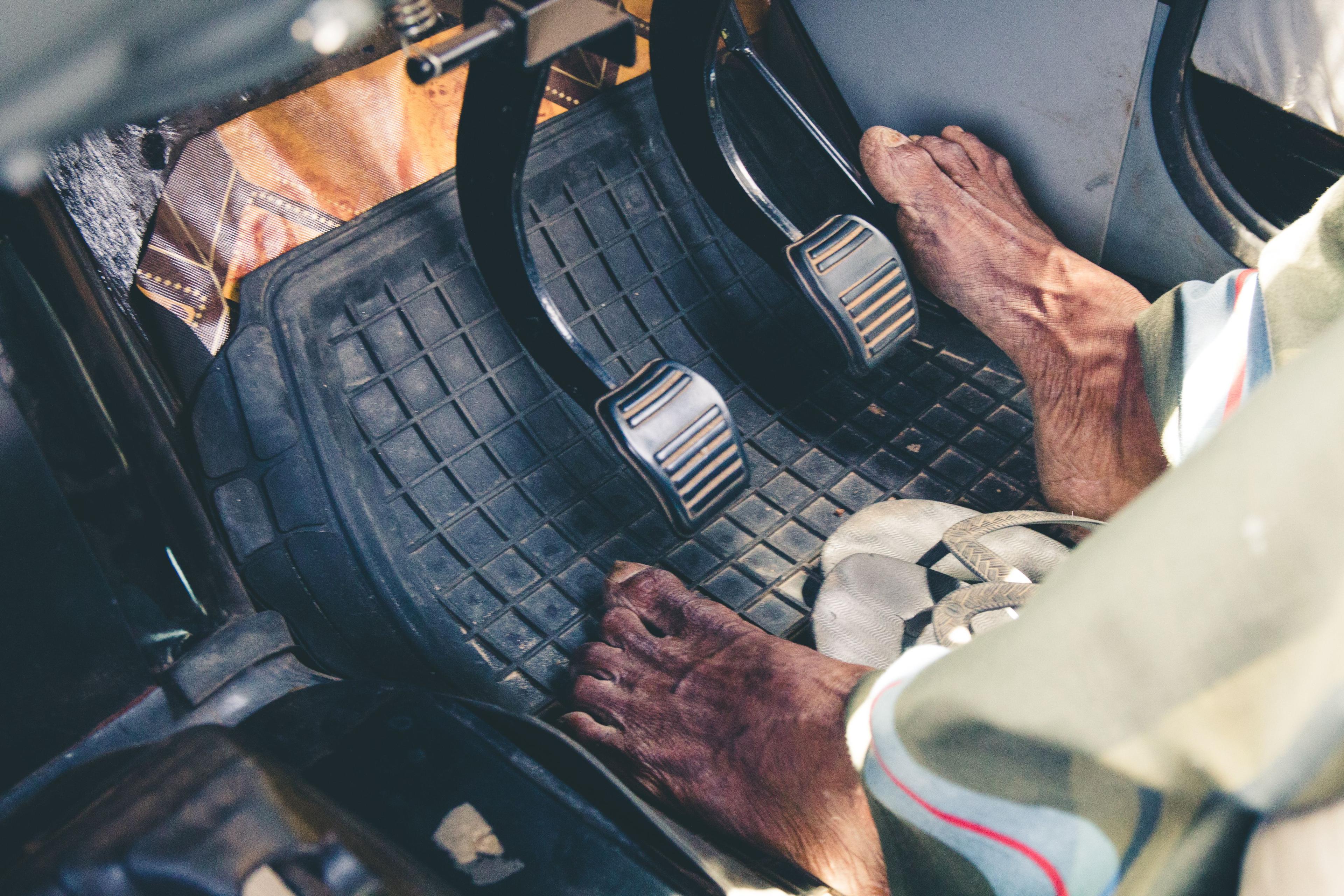
- Do not brake: Avoid pressing the brake pedal until you regain control. If your vehicle is equipped with ABS (Anti-lock Braking System), you can apply the brakes very softly, but only if you feel the tires starting to touch the road again.
- Keep the steering wheel straight: Maintain the steering in the direction the vehicle is traveling. If you try to aggressively turn the wheel this way and that, the vehicle is highly likely to shoot off the road the moment the tires regain traction.
- Do not press the clutch (for manual vehicles): If you drive a manual, do not step on the clutch. Doing so disconnects the engine from the wheels, allowing the vehicle to slide even more freely.
Motor Guide's Advice to Prevent This Danger
Before the heavy rains start, make sure to check these things:
- Check Tread Depth: Your tires should have at least 3mm of tread depth. Even if the legal limit is 1.6mm, that is simply not safe during heavy rain.
- Maintain Proper Tire Pressure: Check your tire pressure at least once a week. Always inflate them to the manufacturer's recommended levels.
- Avoid Water Pools: If water tends to pool on the sides of the road, try to drive closer to the center lane whenever possible.
- Do Not Use Cruise Control: Never use Cruise Control when it's raining. If you hydroplane, the cruise control system doesn't understand that it needs to reduce speed, making the situation much worse.
- Follow the Tracks of the Vehicle Ahead: The vehicle directly in front of you has already displaced some of the water. Try to drive directly over their tire tracks; this leaves less water for your own tires to push away.
Conclusion
Finally, no matter how advanced technology gets, we must remain cautious in the face of nature. Controlling your speed during the rain is the absolute best and only real solution to avoiding hydroplaning. Always remember: you are driving a heavy block of metal, and you only have control over it as long as those four rubber wheels are firmly touching the road.

Written by
Nisaga Sandaru
A versatile and highly experienced professional, currently an Automobile undergraduate at the University of Jaffna, with strong technical expertise grounded in hands-on work as a technician with SriLankan Airlines Ground Support Equipment (GSE). Holding an Automobile NVQ Level 3 qualification, along with specialized certifications in Vehicle ECU Programming and Diagnosis, and extensive experience in arc welding and vehicle body painting, and well equipped to handle complex automotive, diagnostic, and fabrication-related tasks with a high level of competence.