Let’s Learn the Parts of an Engine

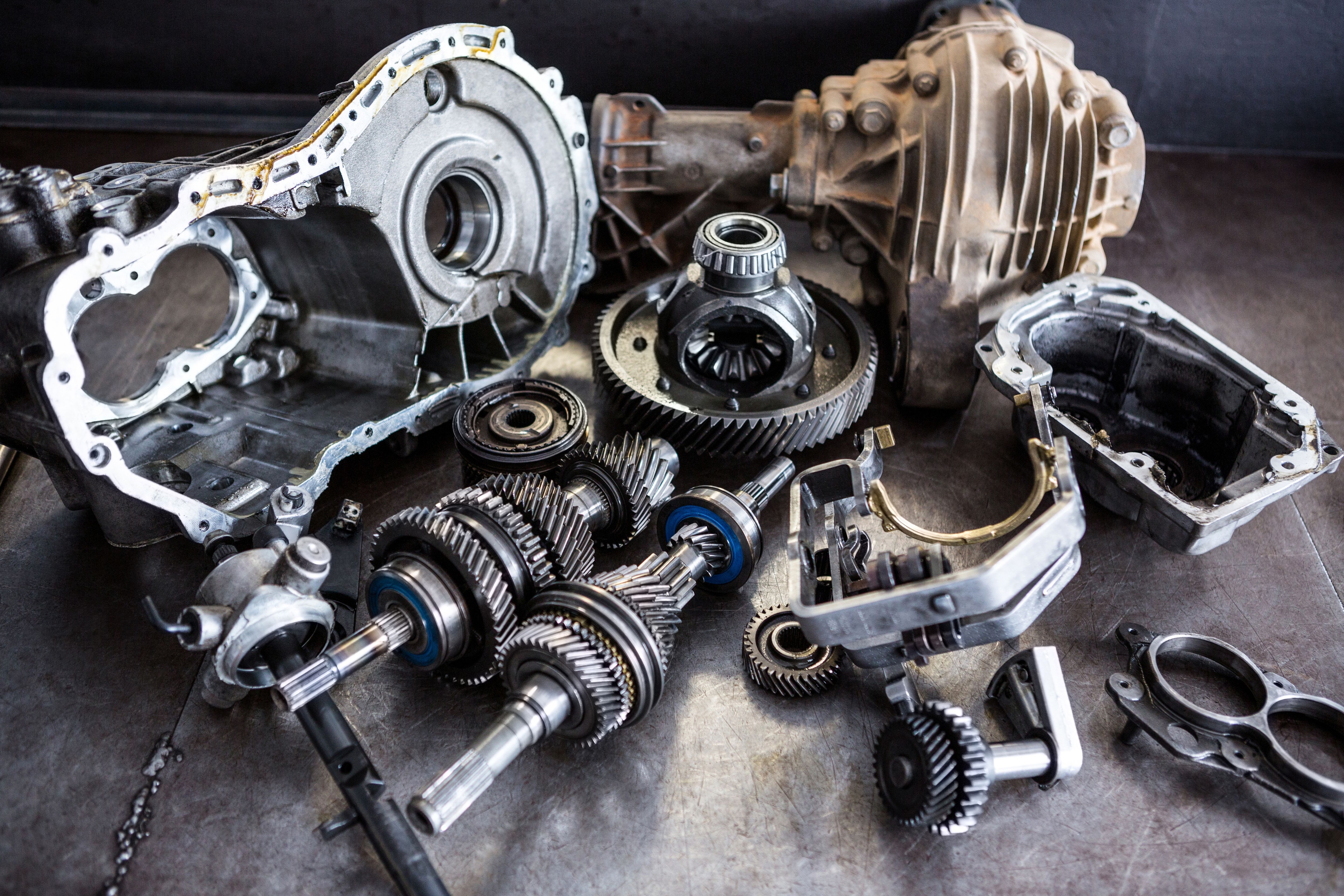
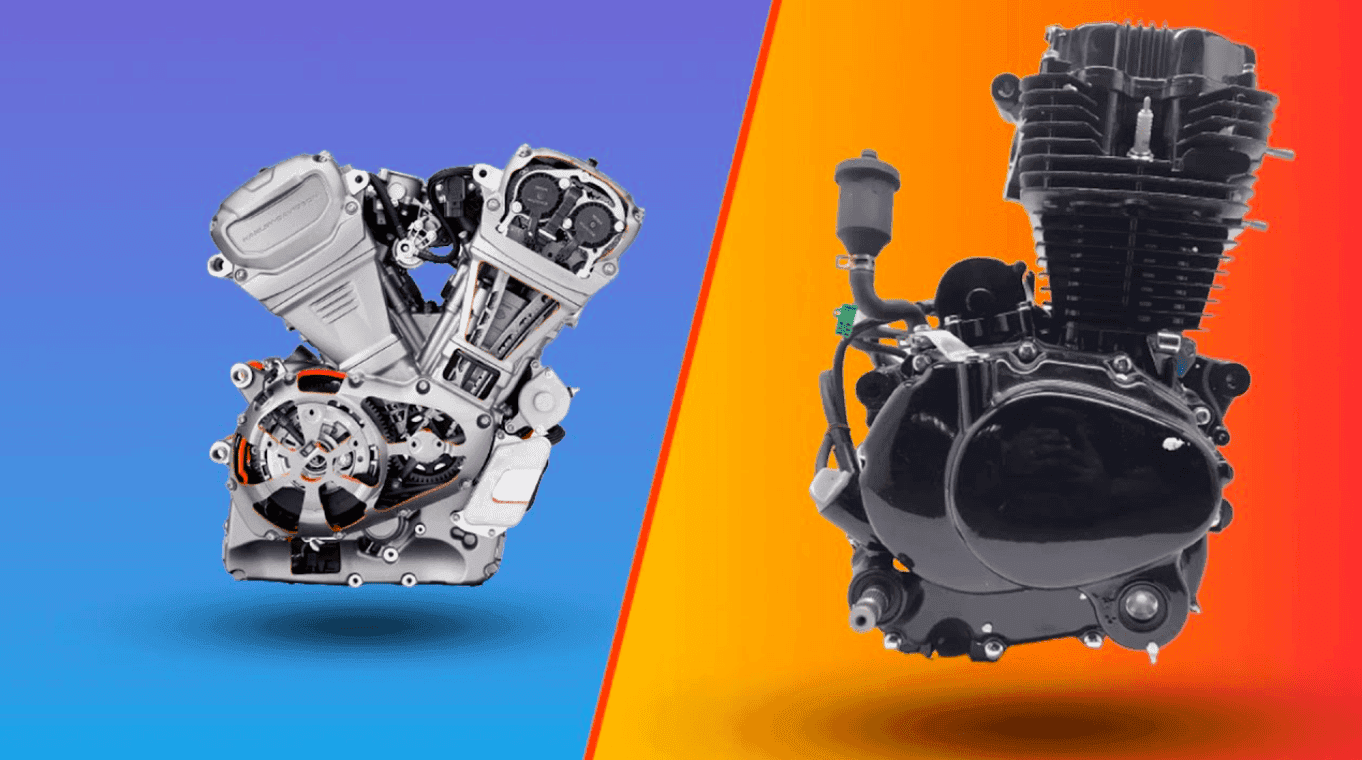
The engine is often called the heart of a vehicle. In simple terms, the engine is an energy conversion device—it converts the thermal energy produced from fuel combustion into mechanical energy to power the vehicle. If you are a driver or someone planning to buy a vehicle, understanding the main parts of an engine is essential. That’s why MotorGuide has prepared this guide to help you learn about engine components.
Cylinder Block
The cylinder block, also known as the cylinder body, is usually cast as a single piece from cast iron or other alloys. During casting, several essential features are formed, including:
- The cylinder bore for piston movement
- The main bore for crankshaft rotation
- The cam bore for camshaft operation
- Water passages and oil lines
- Holes for mounting pins
The cylinder block can be found in both single-cylinder and multi-cylinder versions, depending on the type of engine.
Cylinder Head
The cylinder head is typically made from cast iron or aluminum alloys. It is sealed to the cylinder block using gaskets, which prevent leaks. Each cylinder head contains:
- A combustion chamber above each cylinder
- Valve guides and valve seats
- Ports and coolant jackets
- Holes for spark plugs
- Channels for cooling water circulation
Crankshaft
The crankshaft is the key component that transfers power from the engine. It converts the reciprocating motion of the piston into rotational motion with the help of the connecting rod. Made from heat-treated alloy steel, the crankshaft is central to the power transmission system of the engine.
Camshaft
The camshaft is a shaft with cams mounted on it, responsible for opening and closing the valves. It converts the rotational motion of the crankshaft into linear motion to control valve timing. The camshaft is powered by the crankshaft, and its gear ratio is typically half that of the crankshaft.
The camshaft controls the movement of lifters, pushrods, rockers, and valves, ensuring accurate valve timing. It is usually made of alloy steel for durability.
Piston
The piston is one of the most critical parts of the engine. Shaped like a cylindrical plug, it moves up and down within the cylinder. The piston converts the pressure energy from fuel combustion into mechanical power. For every engine revolution, the piston moves up and down twice. In an engine running at 1250 RPM, the piston reciprocates around 2500 times per minute.
Connecting Rod
The connecting rod links the piston to the crankshaft. Its primary function is to convert the piston’s reciprocating motion into the rotational motion of the crankshaft. Traditionally made of alloy steel, modern connecting rods are sometimes cast from spheroidal or malleable graphite cast iron.
Intake and Exhaust Valves
The intake and exhaust valves regulate airflow into and out of the engine:
- Intake valves: Allow the air-fuel mixture (in gasoline engines) or only air (in diesel engines) into the combustion chamber.
- Exhaust valves: Expel the burned exhaust gases after combustion.
The intake valves are connected to the intake manifold, while the exhaust valves are connected to the exhaust manifold.
These are the main parts of an engine every driver or vehicle owner should know. Understanding how each component works helps you appreciate the complexity of your vehicle and maintain it more effectively.

Written by
Nipuna Marasinghe