Signs That Indicate a Defect in Your Vehicle's Wheel Alignment

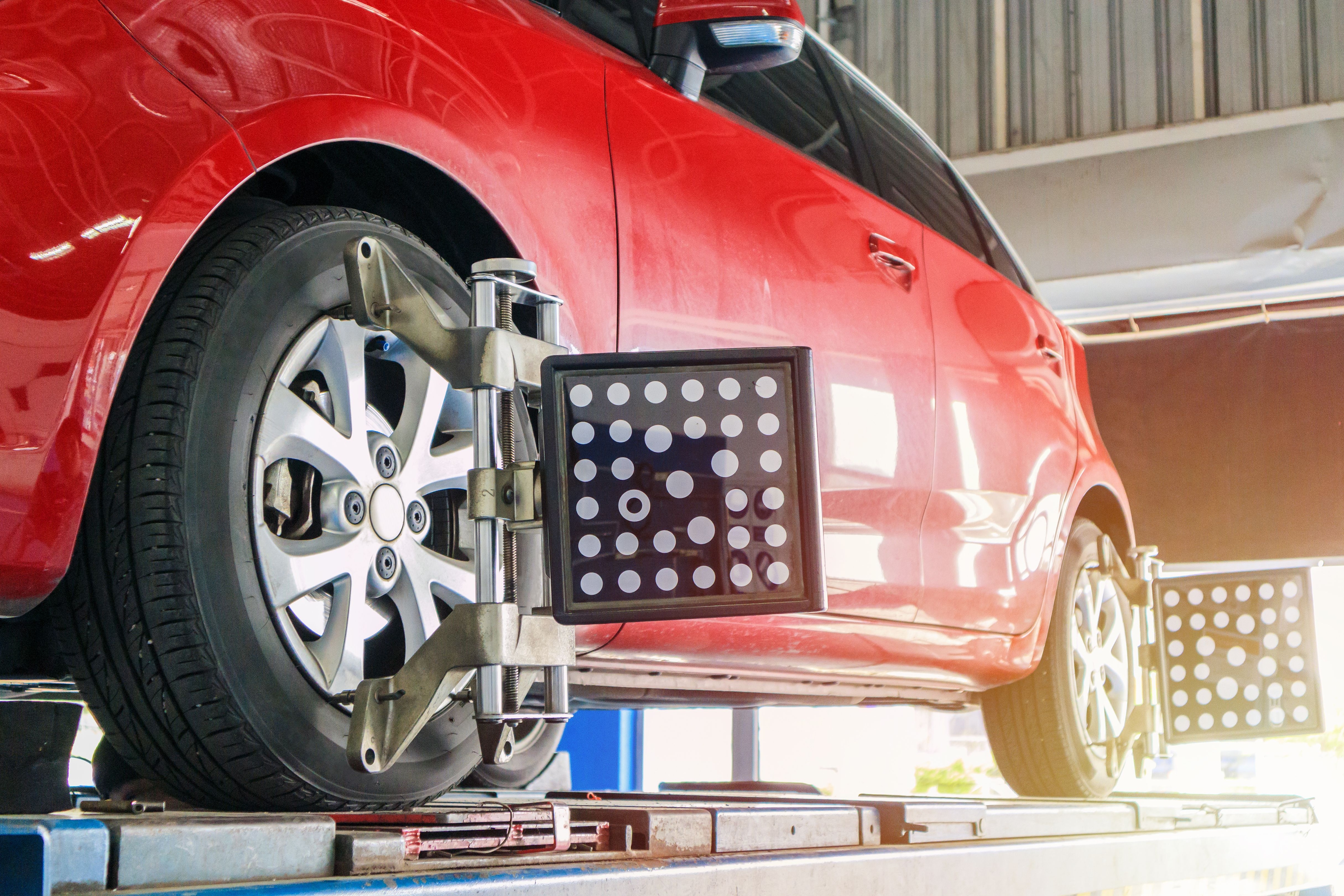
Wheel alignment refers to the precise adjustment of a vehicle’s suspension system, ensuring that the tires make correct contact with the road. Proper alignment improves handling, stability, and overall safety. However, when wheel alignment is faulty, it can increase the risk of accidents and cause uneven tire wear. Today, MotorGuide highlights the common signs that indicate a defect in your vehicle’s wheel alignment and how to fix them.
Causes of Wheel Alignment Issues
Wheel alignment problems usually occur due to external factors such as:
- Driving frequently on rough roads and potholes
- Hitting obstacles like curbs and speed bumps carelessly
- Worn-out suspension or steering components
- Overloading the vehicle beyond its capacity
How to Check for Wheel Alignment Errors
Before performing a test, ensure that:
- The air pressure in all four tires is correct
- The front tires are not excessively worn
If the front tires are worn out, move the better-conditioned rear tires to the front. Once this is corrected, take the vehicle to a straight, smooth road with little to no traffic. Drive for about 200 meters, release your hands from the steering wheel, and observe:
- If the vehicle moves straight without pulling to one side → Alignment is fine.
- If the vehicle drifts left or right → There is likely a wheel alignment issue.
Common Symptoms of Wheel Alignment Defects
- The vehicle pulls to one side while driving
- The steering wheel is off-center when driving straight
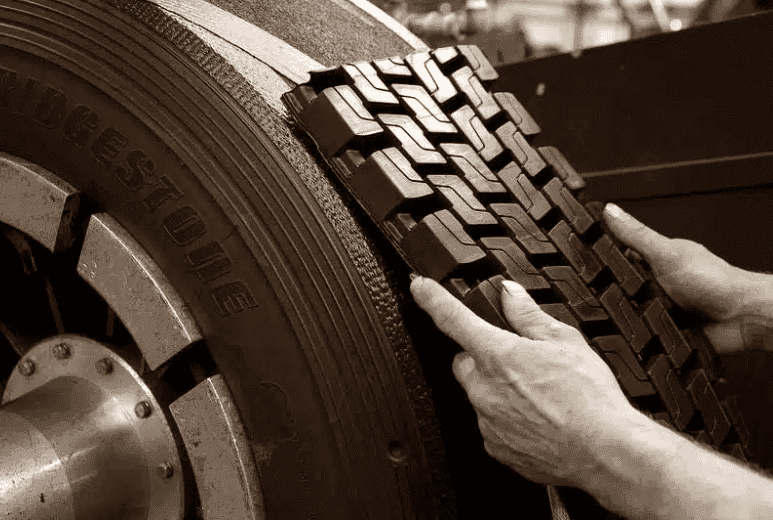
- Irregular tire wear patterns
- Difficulty in cornering
- Unusually tight or heavy steering
- Vibrations in the vehicle or steering wheel at certain speeds
- The wheels do not return to the center position after a turn
If your vehicle shows any of these signs, it’s time to get a professional wheel alignment check.
Correcting Wheel Alignment
For proper wheel alignment, all four wheels must be parallel to the vehicle’s centerline. Over time, factory adjustments may change due to:
- Suspension system wear and tear
- Spring deformation
- Ball joint wear
- Bending of the vehicle’s frame or body
During alignment service, mechanics check and adjust three critical angles: camber, caster, and toe.
Camber Angle
Camber refers to the tilt of the wheels when viewed from the front. Incorrect camber causes uneven tire wear. Common reasons for camber misalignment include worn bearings, faulty ball joints, and frequent overloading.
Caster Angle
Caster angle affects steering stability and cornering. A positive caster tilts the steering axis toward the driver, while a negative caster tilts it toward the vehicle’s front. Incorrect caster can reduce steering control.
Toe Angle
Toe refers to how much the wheels turn inward or outward when viewed from above. Incorrect toe settings can cause the tires to scrub against the road, leading to poor handling and reduced tire life.
Wheel alignment is critical for safe driving, fuel efficiency, and tire longevity. If you notice any of the above symptoms, get your wheel alignment checked immediately. Not only will it protect your vehicle, but it also ensures the safety of everyone on the road.

Written by
Nipuna Marasinghe