Tamper Evident Technology in Vehicle RFID Stickers

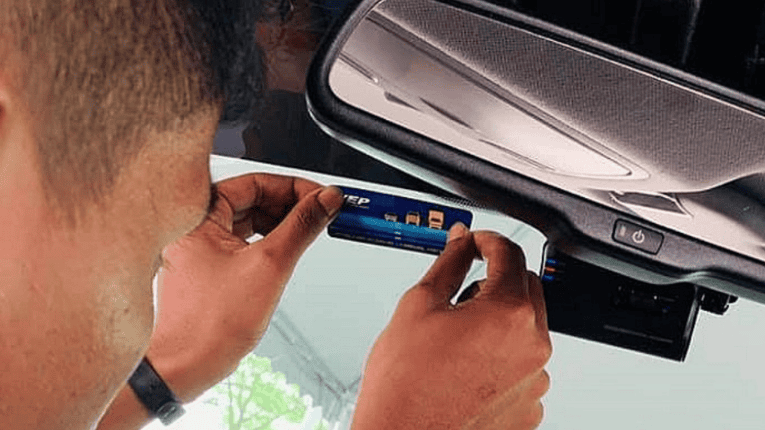
Today at Motor Guide, we are discussing a highly important topic that is frequently talked about in the automotive sector, yet rarely thought about deeply by many. That is, what exactly is the Tamper-evident technology used for the security of RFID stickers pasted on vehicle windshields, and how does it work? Today, both in Sri Lanka and around the world, this RFID technology is widely used to pay expressway tolls, automatically open gates at large corporations or residential complexes, and handle vehicle registrations. Therefore, to maintain the security and reliability of this sticker once it's pasted on a vehicle, this specialized technology is absolutely indispensable. Generally, many people think this is just a simple piece of paper stuck to a windshield. However, inside this tiny sticker hides a massive technological process and a multitude of high-level security mechanisms.
What Does "Tamper-Evident" Mean?
First, we must simply understand what the word "Tamper-evident" means. If someone attempts to externally influence, alter, or secretly peel something off, and that action instantly leaves behind undeniable proof or evidence, that mechanism is called Tamper-evident. As professionals in this field, one thing we constantly see is people trying to transfer an expressway pass or security sticker issued for their vehicle to another vehicle. These special RFID stickers are designed to completely stop such illegal activities and misuse. Once this sticker is pasted on a vehicle's windshield, it is engineered so that no one can peel it off without damaging it. If by any chance someone tries to remove it, it completely destroys itself right there.
The Technical Structure and Layers
Now let's look at the mechanical side inside this and what layers it's made of. Unlike a normal sticker, a Tamper-evident RFID sticker contains several microscopic layers inside. The main components here are the internal antenna and the microchip. This antenna is usually printed using an extremely thin conductive material like aluminum or silver. Above and below the layer where this antenna is located, specialized chemical gums and highly fragile plastic or paper layers are added. The gum used here is so powerful that it bonds intensely to the glass surface. The adhesive strength of this gum is actually higher than the structural strength of the sticker's materials. Because of this, when trying to peel the sticker off, it inevitably breaks into pieces.
What Happens When You Try to Peel It?
Let's look in a bit more detail at what happens if someone tries to peel this sticker off the windshield.
That is exactly when you can see the real magic of this technology. When someone grabs a corner of the sticker and pulls it upwards, the gum layer stuck to the glass does not let it detach easily. However, due to the pulling force, that fragile middle layer inside the sticker starts to tear, break, and separate in various places. Along with this, the microscopic RFID antenna printed on that layer also snaps in multiple places. The moment the conductive antenna breaks even in one spot, the electromagnetic circuit running through it completely collapses. After that, the microchip inside receives no power whatsoever, and it emits no signals. This means the moment the sticker is peeled, it becomes permanently deactivated.
Laser Serrations and Digital Security
Another special feature is the cut patterns on these stickers. These are called serrations. During the manufacturing of the sticker itself, extremely fine laser cuts are made internally. These cuts are invisible to the naked eye. But if even a slight pull is applied to remove the sticker, it tears extremely easily along those cut edges. Also, in some stickers, the layers are made of materials with different chemical properties. As one layer peels off, the other layer remains stuck to the glass. Because of this, no one can ever manage to peel it off as one complete, intact piece.
In some other highly advanced stickers, in addition to this physical breakage, there is also digital-level security. The connection points between their microchip and antenna contain highly sensitive components like pressure switches or sensors that detect chemical changes. Due to the pressure difference created when peeling the sticker, the data inside the chip is automatically erased or altered. Therefore, even if someone tries to peel the sticker flawlessly without damaging the glass using chemicals or heat, the chip detects the temperature or pressure variations and self-destructs. Because of this, no one gets the opportunity to paste it on another vehicle and commit fraud.
Why is This Technology Important?
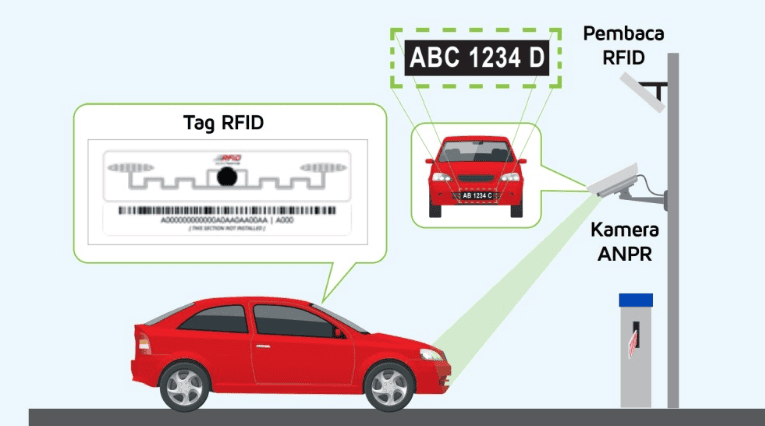
Let's see why this technology is so important for vehicle owners as well as overall system administrators. Imagine someone peeling off the highway pass sticker from their small car and pasting it on a large lorry to travel for a lower toll fee. Because this sticker deactivates the moment it is peeled, the reader at the highway toll gate will not be able to read it. At that moment, the gate will not open, and the fraud is caught right there. Similarly, in cases of vehicle theft, if thieves try to change the sticker to hide the stolen vehicle's true identity, that will also completely fail. This shows how much these small technological mechanisms strengthen a country's entire vehicle security system. Through this, the identity and financial security of vehicle owners are maximally protected.
The Windshield Replacement Dilemma
When using a sticker like this, one of the main problems vehicle owners face is having to replace the front windshield if it gets damaged, or if the area where the sticker is pasted gets dirty. Many people think that when changing the windshield, they can slowly peel the old sticker off and paste it on the new glass. But due to the Tamper-evident technology we mentioned earlier, if you try to do that, the sticker will only get destroyed. In such a situation, the only thing you can do is go to the relevant authority, cancel the old sticker, and get a new one. That is the only legal and technical solution available. If you try to peel and paste it yourself instead, you will only end up wasting your time and money.
Motor Guide's Advice
Motor Guide's advice to you, to get the maximum benefit from this valuable technology and avoid unnecessary inconveniences, includes a few key pointers. The first thing is, when pasting this RFID sticker on your vehicle, you must follow the relevant instructions accurately. If pasting it on the inside of the glass, that surface must be cleaned well and completely dry. Once the sticker is pasted, never try to peel it back slightly just to check "is it straight?". If you do that, the internal circuit will break right there, and it will deactivate. Also, if there is moisture or dust on the glass before pasting, it won't adhere properly, and it might just fall off later. That's why cleaning the glass thoroughly first is mandatory.
The second point is, when cleaning the inside of the vehicle or wiping the glass, you must avoid wiping the area where this sticker is located with heavy pressure using rough cloths. Because if excessive pressure or moisture enters through the edges of the sticker, it can damage the internal chemical layers and impair the sticker's functionality. Especially if you are applying a Tint film to the windows, do not try to do it over this sticker. Always discuss with the relevant technician whether to paste the sticker on top of the tint film after it's applied, or to cut out a section of the tint for the sticker. Ensure that you install the sticker only in the exact location recommended by the respective authorities. If by any chance a data reading issue occurs with the sticker, the smartest thing to do is not to try fixing it yourself, but to take it to the relevant customer service center.
And don't forget to always stay tuned with Motor Guide to learn more valuable information like this about modern vehicles and technology!

Written by
Nisaga Sandaru
A versatile and highly experienced professional, currently an Automobile undergraduate at the University of Jaffna, with strong technical expertise grounded in hands-on work as a technician with SriLankan Airlines Ground Support Equipment (GSE). Holding an Automobile NVQ Level 3 qualification, along with specialized certifications in Vehicle ECU Programming and Diagnosis, and extensive experience in arc welding and vehicle body painting, and well equipped to handle complex automotive, diagnostic, and fabrication-related tasks with a high level of competence.