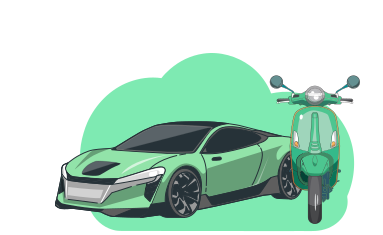
The Dual Clutch System Brought to the Forefront by Honda

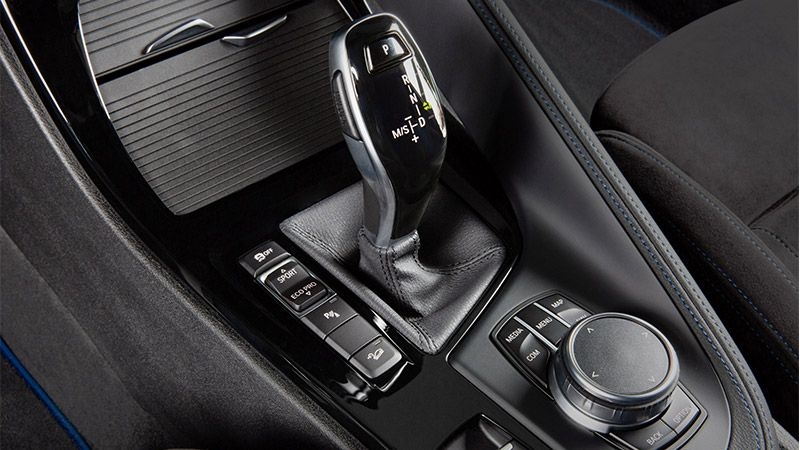
Today, at Motor Guide, we decided to talk about the Dual Clutch system, which became a major topic of discussion in Sri Lanka with Honda car models.
Dual Clutch Transmission, or DCT, is a technology that offers better speed and efficiency compared to a standard automatic gearbox when shifting gears in a car. Honda further improved this to give the driver a truly sporty feeling.
Basic Concept of Car DCT
Similar to motorcycles, car DCT systems use two clutch plates inside the same gearbox.
- One clutch controls the odd gears (1, 3, 5, and R).
- The other clutch controls the even gears (2, 4, 6).
Because of these two clutches, while the gear you are currently driving in is active, the next required gear is already pre-selected by the other clutch. Therefore, when it's time to shift, one clutch deactivates and the other activates instantly. As a result, there is almost no power interruption during gear shifts. The shifting is so fast and smooth that you barely feel it.
What Makes Honda DCT Special?
Honda DCT systems are technologically very advanced, especially in their sporty models (e.g., Acura/Honda NSX or some Type R concepts). Under conditions similar to racing, Honda DCT allows for instant gear shifts, continuously delivering engine power to the wheels. This contributes significantly to increasing overall acceleration.
In some of their Hybrid models, the DCT is efficiently integrated with the Electric Motor. This allows for instant power delivery at low speeds and maximizes fuel efficiency.
Driving Modes
In DCT cars, the driver has the ability to select modes as needed.
- Comfort/Drive (D): For normal and relaxed driving. Shifts to higher gears quickly to save fuel.
- Sport (S) / Track: For sporty driving. Allows the engine to rev to higher RPMs before shifting. Shifts feel faster and firmer.
- Paddle Shifters: If the driver wishes, they can manually shift gears using the "Paddle Shifters" located near the steering wheel.
Advantages of DCT
The main advantage of DCT is getting the best of both traditional gearbox worlds.
- It is faster than a manual gearbox. The computer shifts the clutch much faster than manual operation.
- In DCT, power transmission is more efficient than in automatic gearboxes using traditional Torque Converters, leading to increased fuel efficiency.
- Also, you get the convenience of an automatic car in city traffic without the fatigue of pressing the clutch pedal and shifting gears frequently.
Limitations and Maintenance
Like any advanced technology, there are a few things to pay attention to with DCT systems.
- Behavior at Low Speeds: At low speeds (especially in stop-and-go traffic), the engagement and disengagement of the two clutches in a DCT might feel slightly jerkier compared to a traditional automatic transmission.
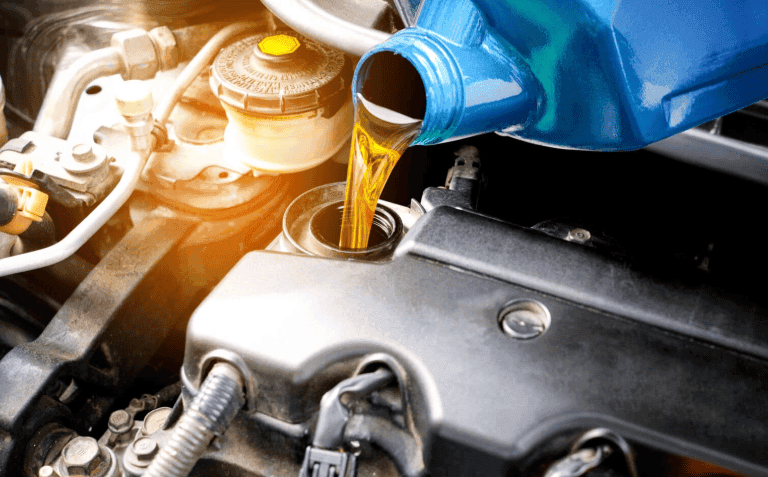
- Maintenance: DCT gearboxes generally require specific DCT Fluid, and changing it at the scheduled interval is essential. These maintenance procedures can be slightly more expensive than for a traditional gearbox.
The DCT technology brought to the forefront by Honda is a top-tier technology that balances speed, performance, and convenience, offering the driver a more advanced and exciting driving experience.
Although DCT is a good technology, let's look at why it became a headache for people in Sri Lanka. This issue mostly arose in vehicles like the Honda Vezel, Honda Grace, and Honda Fit (GP5). Let's take the Honda Vezel as an example to discuss this.
Clutch Wear in Honda Vezel (HR-V) DCT and Its Causes
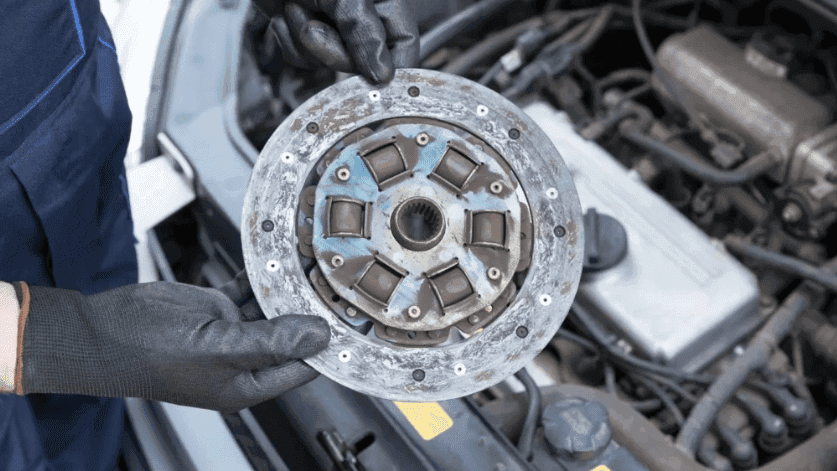
The main issue reported regarding the DCT system used in Honda Vezel Hybrid models (mainly manufactured between 2014-2016) was the rapid wearing of clutch plates.
When this fault occurred, drivers mainly experienced the following situations:
- Excessive Shuddering/Jerking: Feeling severe vibration or jerking when the vehicle starts moving or shifts gears at low speeds.
- Reduced Speed: Vehicle acceleration decreases because power transmission is not proper.
- Unusual Noises: Abnormal sounds coming from the gearbox.
As a sign of identification, error messages related to the DCT or Hybrid system (Check Engine Light) lighting up on the dashboard can be pointed out.
The Root Cause: Dry Clutch
A major weakness of the DCT system used in Vezel Hybrid models was the use of a 'Dry Clutch' for its clutch plates.
Here, the clutch plates are not lubricated by engine oil or gear oil. They operate dry, like the clutch of a normal manual vehicle. Also, since the Honda Vezel is a Hybrid, at low speeds and during frequent stops/starts (especially in city traffic), the clutch had to engage and disengage frequently.
Connecting a dry clutch repeatedly causes a massive increase in temperature due to high friction. This high heat and constant friction caused the clutch plates to wear out very quickly.
In contrast, high-capacity DCT systems from other car manufacturers often use a Wet Clutch design. There, the clutch plates are submerged in gear oil, so heat is easily managed, and wear is reduced. Although Honda tried to use a dry clutch to increase efficiency in Hybrid vehicles, it led to these types of issues.
Honda's Solutions and Subsequent Actions
Honda understood this issue and offered corrections for customers:
- Software Update: First, they released software updates for the ECU (computer system) controlling the DCT. These attempted to reduce heat by slightly changing the clutch engagement style.
- Clutch Pack Replacement: For vehicles that still had issues after the software update, Honda implemented programs (Warranty Claims/Recalls) to replace the clutch pack with a redesigned and stronger one free of charge.
- Extended Warranty: In some markets, the warranty period for the DCT system related to this issue was extended.
Therefore, if you are buying a Vezel today, it is highly likely that the clutch pack in those vehicles has already been replaced with the modified part or the necessary software updates have been done. However, it is important to investigate this thoroughly before purchasing.
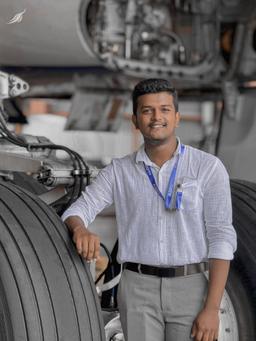
Written by
Nisaga Sandaru
A versatile and highly experienced professional, currently an Automobile undergraduate at the University of Jaffna, with strong technical expertise grounded in hands-on work as a technician with SriLankan Airlines Ground Support Equipment (GSE). Holding an Automobile NVQ Level 3 qualification, along with specialized certifications in Vehicle ECU Programming and Diagnosis, and extensive experience in arc welding and vehicle body painting, and well equipped to handle complex automotive, diagnostic, and fabrication-related tasks with a high level of competence.