Things You Can Do at Home to Prolong the Life of Your Vehicle

Every day, countless vehicles hit the road — some brand new, some old, but all require proper care to last longer. No matter how expensive or stylish a car looks, its lifespan can shorten quickly if not maintained properly. Often, it is small mistakes we make — both intentional and unintentional — that reduce the durability of a vehicle. So, how do you maintain your car effectively? Today, MotorGuide shares essential things you can do at home to extend the life of your vehicle.
Create a Maintenance Schedule
Just like anything valuable, a vehicle requires regular maintenance to last longer. Review your vehicle’s manual and create a maintenance schedule. This helps you avoid unexpected issues with critical systems such as the cooling system, drivetrain, and suspension.
Check Fluid Levels
Regularly check antifreeze, transmission fluid, power steering fluid, and brake fluid levels. Even if there are no leaks, they can occur unexpectedly. Monitoring fluid levels allows you to identify leaks early. Also, pay attention to fluid colors — for instance, antifreeze should typically be pink, green, or yellow.
Change the Oil and Air Filter
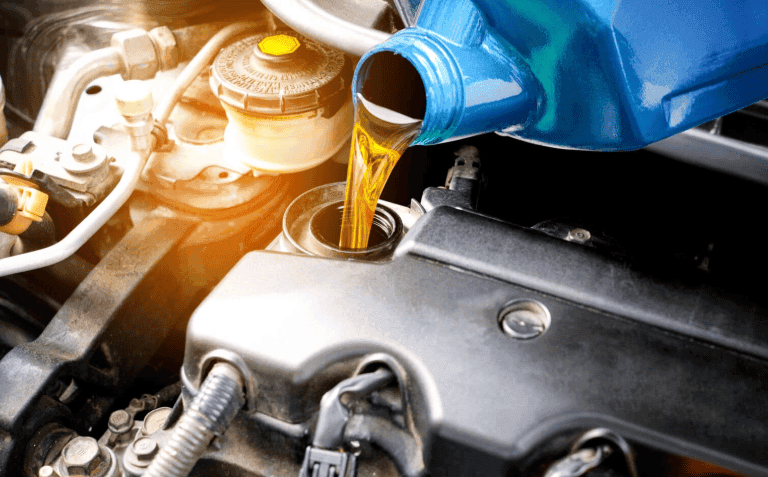
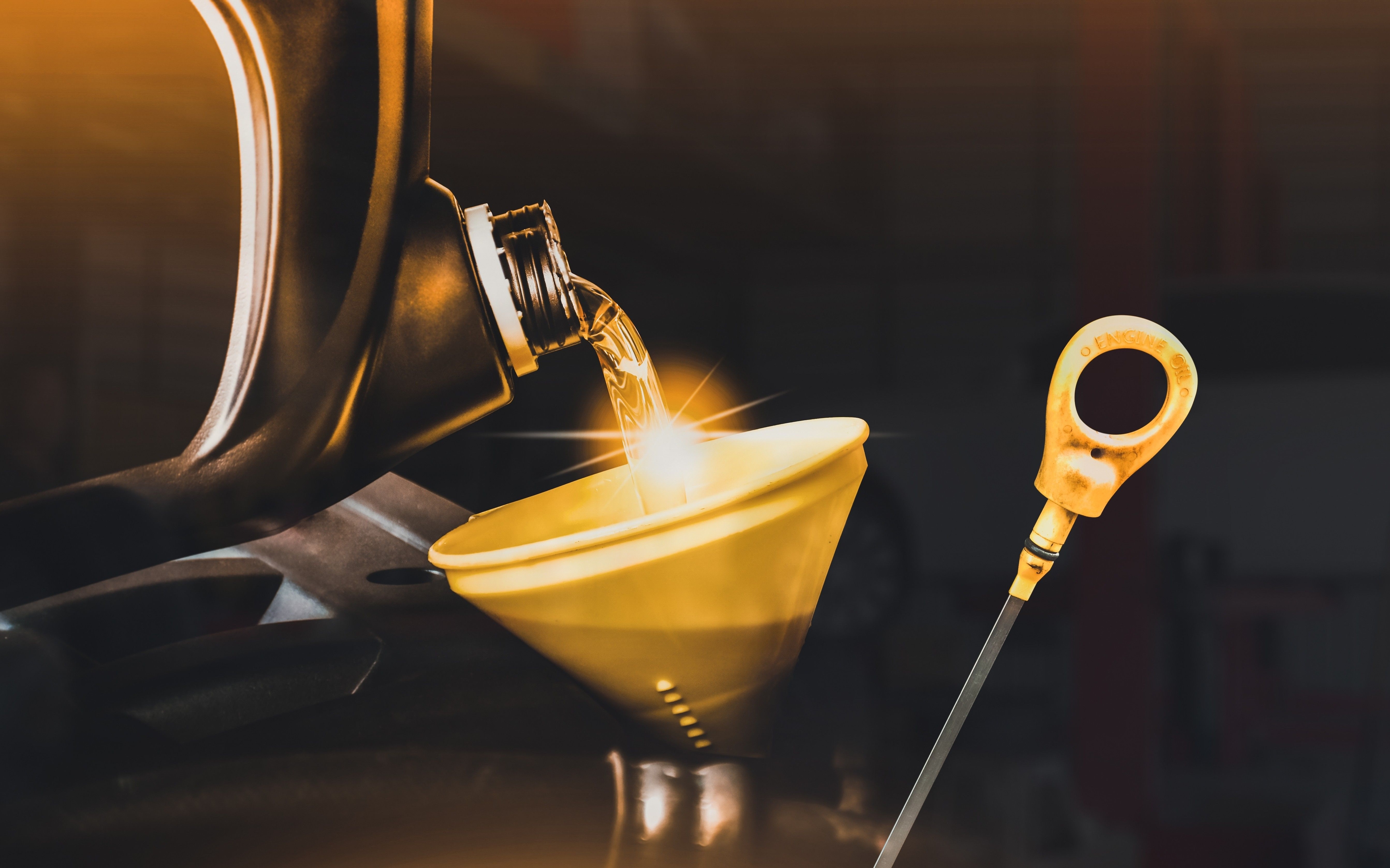
Changing your vehicle’s oil and air filter on time is one of the easiest yet most effective ways to protect your engine. A dirty or clogged air filter can cause engine damage, reduce fuel efficiency, and lower performance. You can easily replace an air filter at home by following the instructions in your vehicle’s manual. Most manufacturers recommend changing engine oil every 5,000 miles.
Monitor Brake Pads
Check the thickness of your brake pads regularly. Ignoring worn-out pads can cause damage to the brake rotors, which is costlier to repair. Replacing brake pads on time ensures both safety and durability.
Take Care of Your Tires
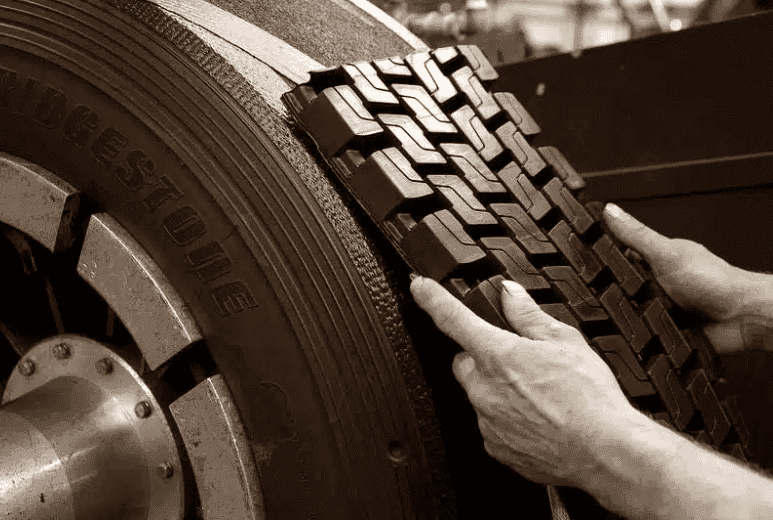
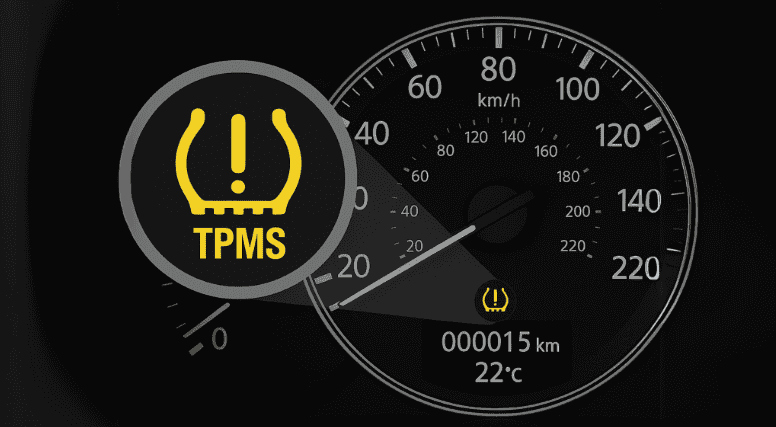
Tires play a critical role in your car’s safety and lifespan. Under-inflated tires not only reduce gas mileage but can also shorten your vehicle’s lifespan by up to 15%. Always maintain the recommended tire pressure. Additionally, rotate your tires according to the instructions in your vehicle’s manual to ensure even wear. Pay attention to special cases, such as directional tires, which can only be rotated in a specific direction.
Use the Handbrake
Even in automatic transmission vehicles, using the handbrake regularly (especially when parking on slopes) helps reduce stress on the transmission and keeps your rear brakes in better condition.
Wash Your Vehicle When Necessary
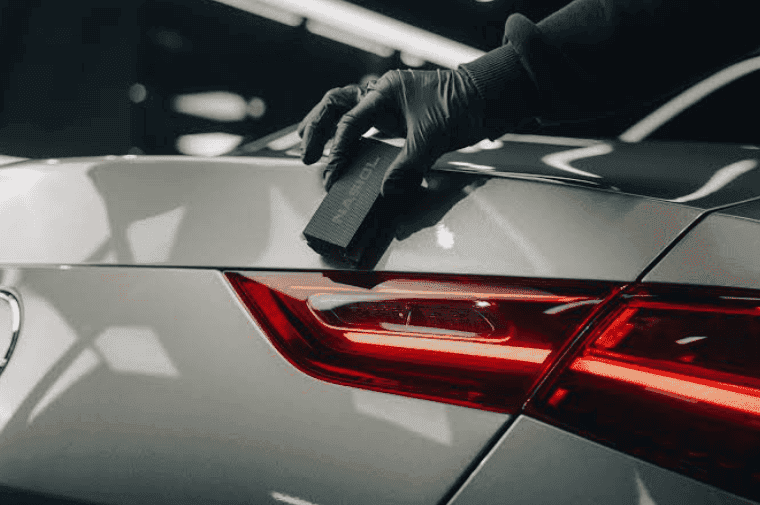
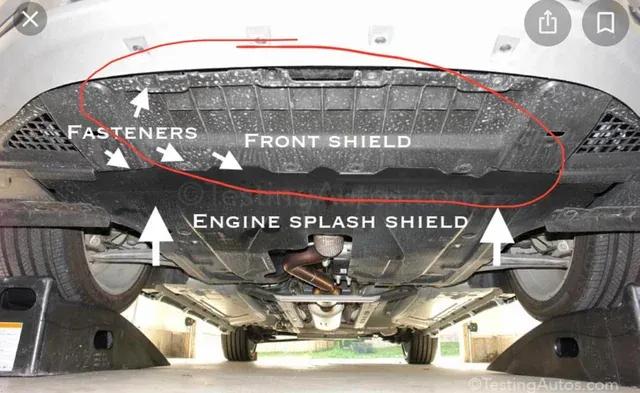
Dust, mud, and road salt can cause rust and corrosion if left unchecked. Washing your vehicle regularly — not necessarily every day, but when it’s visibly dirty — prevents long-term damage, especially to the underbody and brake lines. Frequent cleaning helps maintain the car’s appearance and prevents costly repairs in the future.
Avoid Bad Driving Habits
Hard braking, sudden acceleration, and taking turns at high speed can all reduce your car’s lifespan. These driving habits wear out brake pads, strain the engine, and damage suspension components. Driving smoothly and patiently not only keeps you safe but also extends the life of your vehicle.
Whether you own a brand-new car or an older model, following these simple maintenance tips at home can help your vehicle last longer and perform better. By creating a proper routine, checking fluids, caring for tires, and driving responsibly, you can keep your car in excellent condition for years to come.

Written by
Nipuna Marasinghe