What Happens If You Drive Your Car in Neutral?

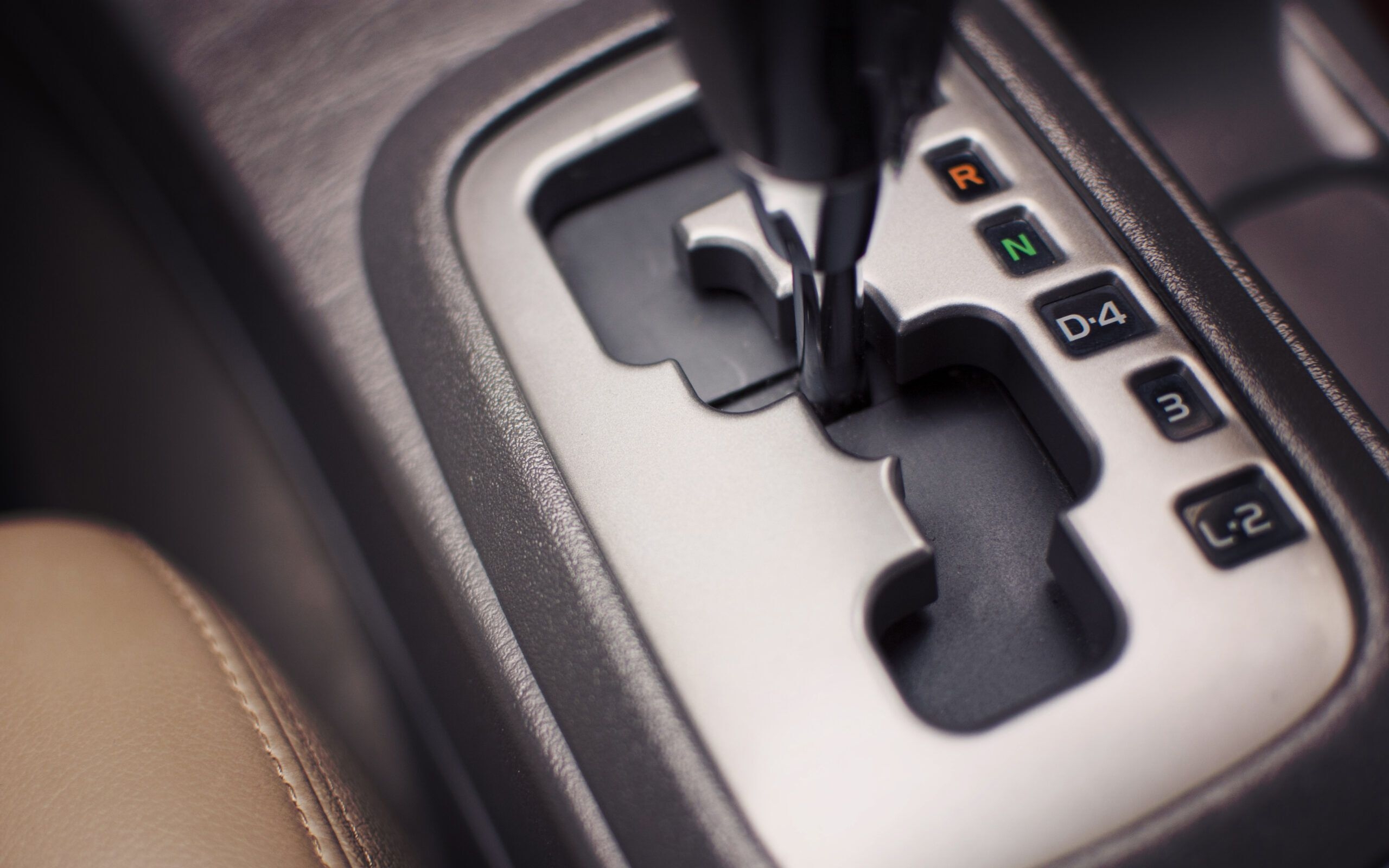
Many drivers have the habit of putting their car in neutral gear while driving, thinking it saves fuel. But does it really help? The truth is, driving in neutral does more harm than good—to your vehicle, your safety, and even your wallet. Today, MotorGuide explains what actually happens when your car goes into neutral and why you should avoid it.
What Does It Mean to Go Into Neutral?
When your vehicle is in gear, there is a direct connection between the engine and the wheels. This allows the engine to control the vehicle’s speed and power. In neutral, that connection is lost—your engine and wheels spin separately. As a result, the vehicle keeps moving forward, but the engine no longer helps you control it.
Why Do Drivers Use Neutral?
Some drivers switch to neutral while going downhill or on highways, hoping to save fuel. This may provide a minor benefit in manual cars, but in reality, the risks and long-term costs far outweigh any fuel savings. In automatic cars, going into neutral is even more dangerous and can damage the transmission and fuel pump.
Is Neutral Ever Safe to Use?
- Manual cars: Neutral might reduce fuel use slightly, but it compromises safety and control.
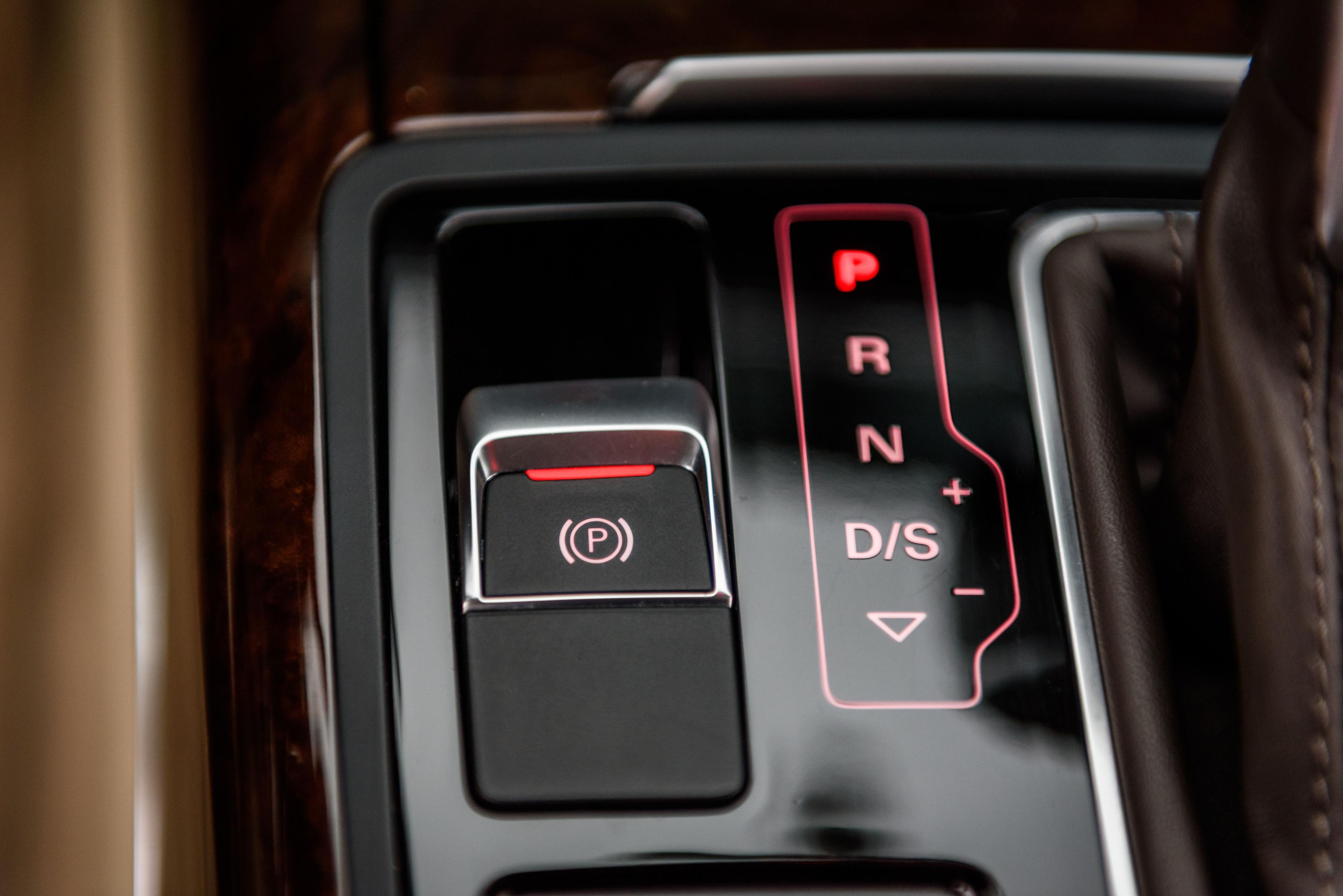
- Automatic cars: Never drive in neutral. Automatic transmissions rely on fuel circulation to cool the system. Running low on fuel or coasting in neutral can overheat and damage the fuel pump.
To protect your car, always keep at least one-quarter of your fuel tank filled.
What Happens If You Drive in Neutral?
1. Inability to Respond Quickly
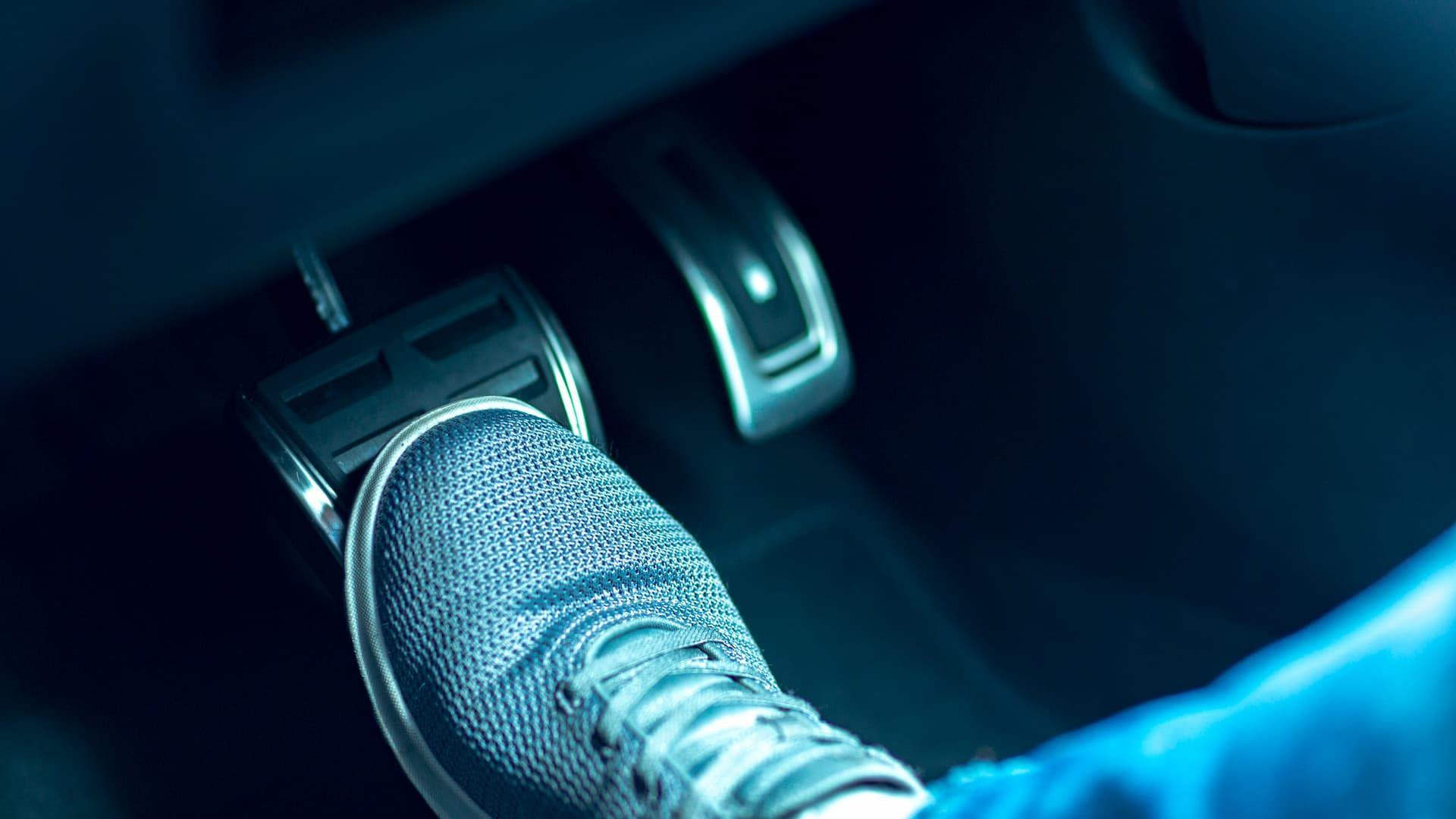
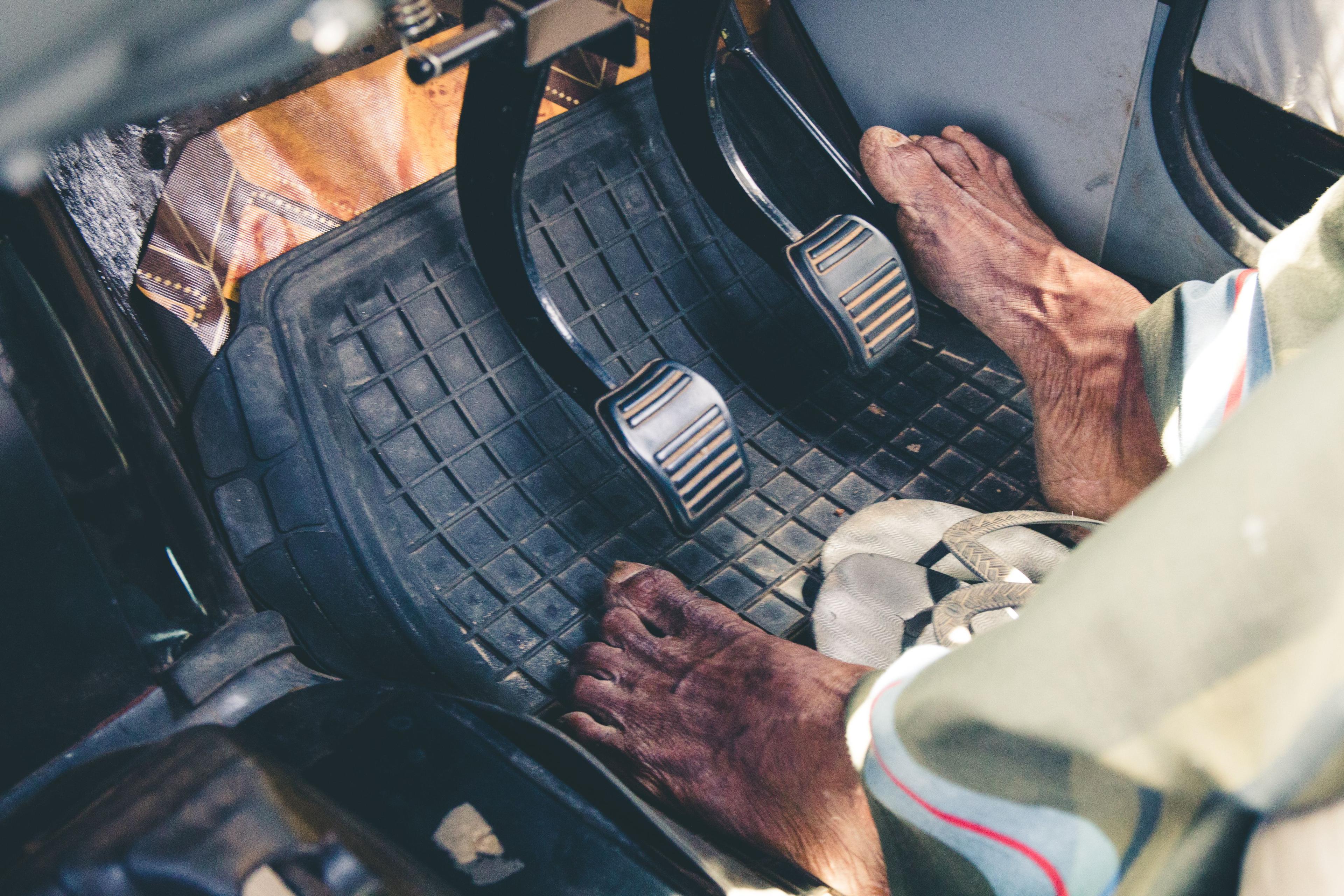
When your car is in neutral, pressing the accelerator has no effect. You can’t increase speed to avoid a hazard and must rely entirely on the brakes. This increases wear on brake pads and reduces your ability to react instantly in an emergency.
2. Loss of Engine Braking
When driving in gear, the engine provides natural resistance, known as engine braking. This helps control speed, especially downhill. In neutral, you lose this support, forcing the brakes to work harder and making the vehicle harder to control.
3. Loss of Control
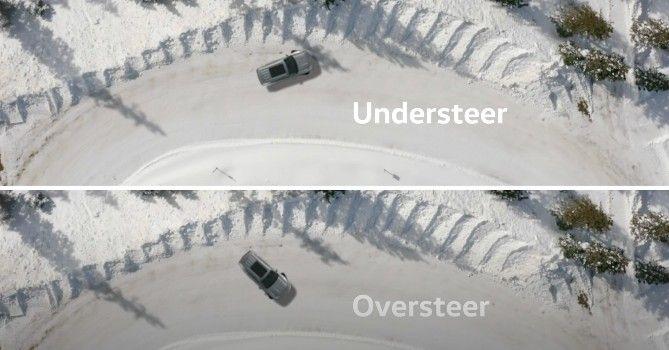
Since the wheels spin freely, your car can accelerate too quickly on slopes or curves. Without the engine’s torque resistance, you risk losing control, particularly when cornering or driving downhill.
4. Brake Fade
Driving downhill in neutral forces you to brake continuously. This causes the brakes to overheat, a condition known as brake fade. Overheated brakes lose stopping power, putting you and others in serious danger.
Putting your car in neutral does not save fuel the way you think—it only increases risks and repair costs. Neutral driving leads to faster brake wear, reduced safety, and possible mechanical damage. Instead, always drive in the correct gear, use engine braking when needed, and maintain your fuel at safe levels.
MotorGuide Tip: Safe driving practices not only protect your vehicle but also save lives. Avoid neutral driving and let your engine do its job.

Written by
Nipuna Marasinghe