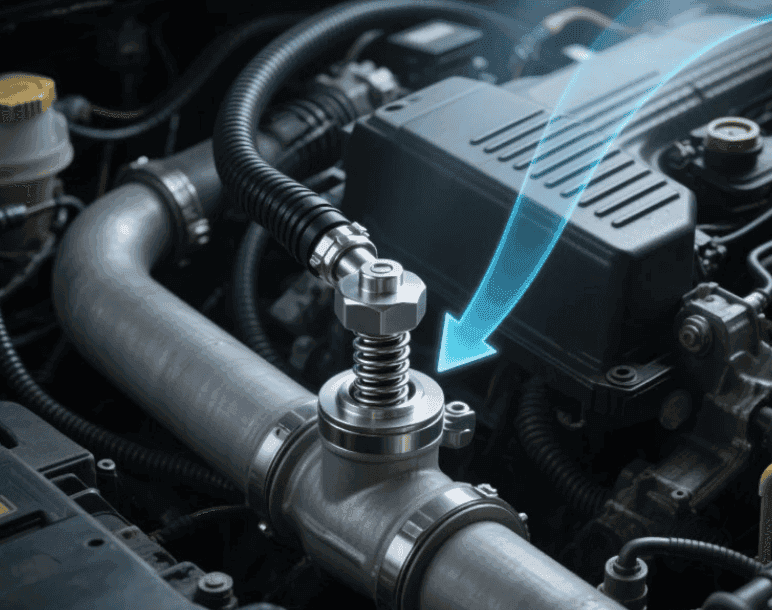
What is LSPI Occurring During Engine Operation

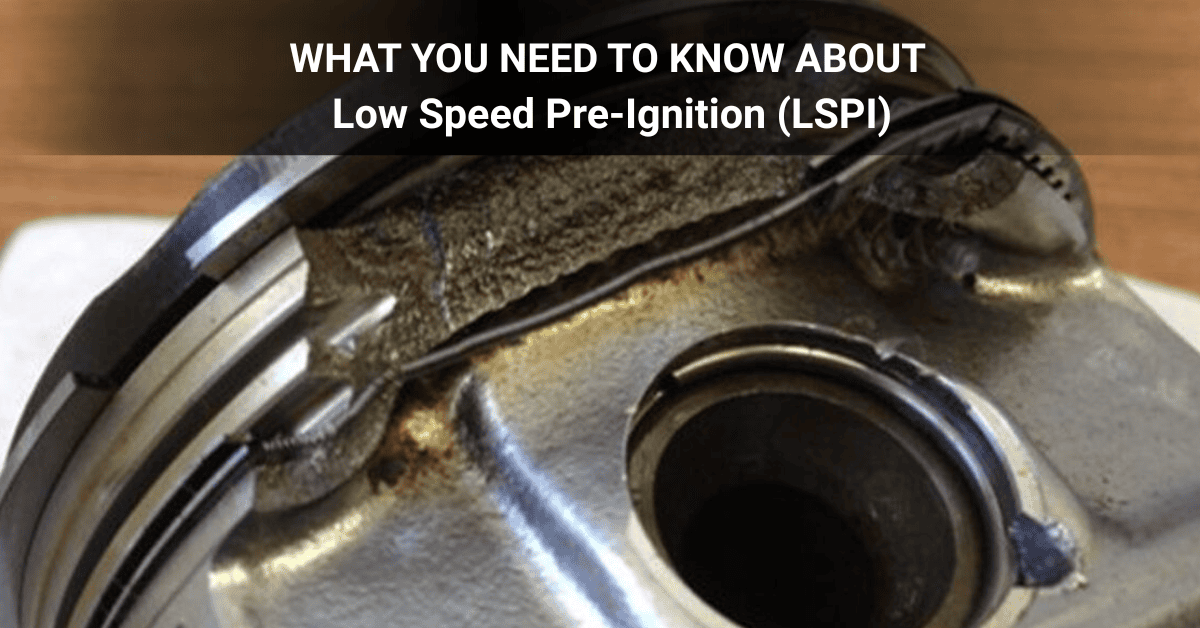
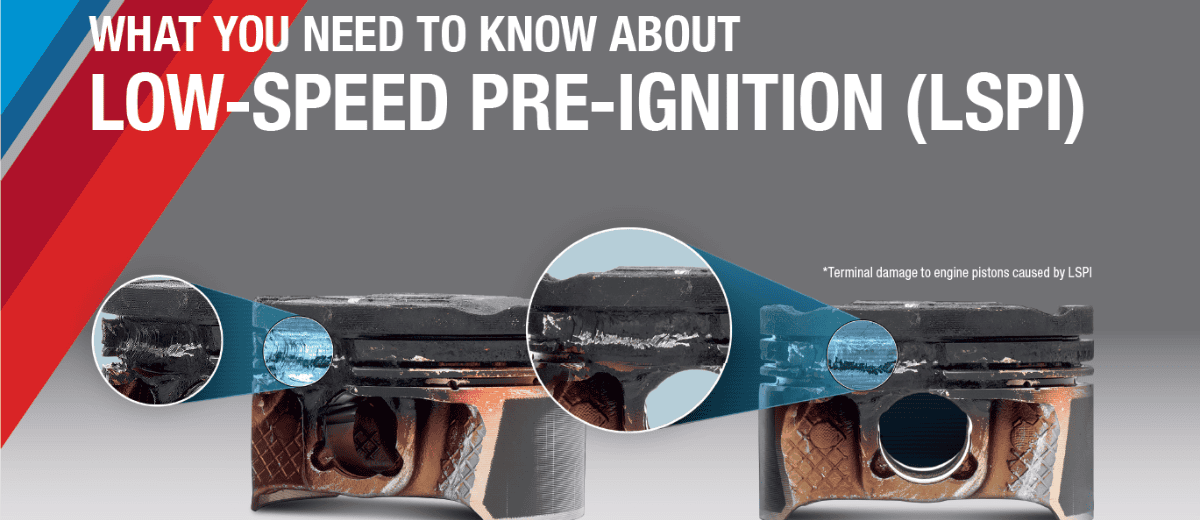
Today at Motor Guide, we are discussing what LSPI is, a phenomenon threatening modern engines. This is a somewhat complex topic.
First, let's look at the meaning of the acronym LSPI. LSPI stands for Low-Speed Pre-Ignition.
Normally, in a petrol engine, the air and fuel mixture is ignited by a spark from the spark plug at the moment the piston completes the compression stroke. This is the controlled process.
However, LSPI is the spontaneous, accidental explosion of the mixture before the spark plug fires. This is referred to as Undesired Combustion.
The LSPI condition is most commonly observed in modern:
- Turbocharged
- Direct-Injection (GDI)
- Downsized
petrol engines. These engines are designed to increase fuel efficiency and reduce emissions.
As the name suggests, LSPI occurs when the engine is running in the Low-Speed (Low-RPM) range (around 1,000-2,000 RPM). It is also triggered when operating under a High-Load, such as rapidly accelerating in a low gear or climbing a hill. This condition is random and does not occur frequently.
What Happens During an LSPI Condition?
During an LSPI condition, the Pre-Ignition causes an extremely rapid and intense pressure buildup inside the combustion chamber.

This means the explosion occurs while the piston is still moving upward. As a result, the explosion's pressure acts against the upward motion of the piston. This pressure spike can be more than double the pressure generated during normal combustion.
Potential Engine Damage
The resulting extremely high pressure can cause rapid and severe damage to the engine. LSPI is also referred to as Super Knock. The damages include:
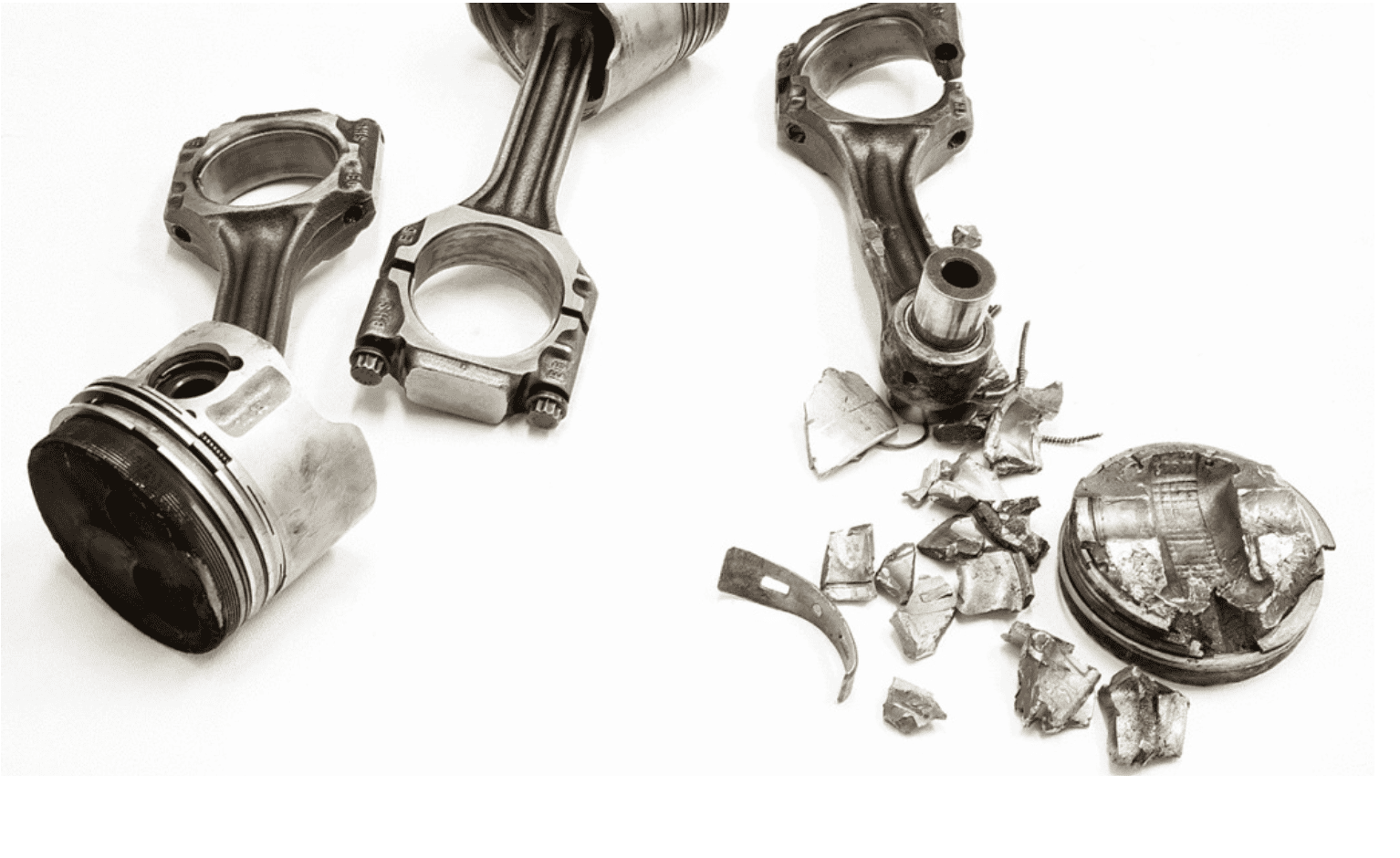
- Damage to pistons (cracks or holes).
- Fracture of piston rings.
- Damage to connecting rods.
- Melting of spark plugs.
- Occurrence of a loud engine knocking sound.
In some cases, a single LSPI event can completely destroy the engine.
Causes of the LSPI Condition
While a single definitive cause has not yet been isolated, there are two primary influences.
-
Oil/Fuel Droplets:
In direct-injection engines, small droplets formed from a mixture of engine oil and fuel spontaneously ignite under compression without a spark from the spark plug. It has been found that certain components in some engine oils (especially metallic compounds like Calcium) contribute to this.
-
Red-Hot Particles:
Carbon deposits or other solid particles within the combustion chamber become incandescent, acting as a spark and causing Pre-Ignition.
How to Prevent LSPI
Fortunately, steps can be taken to minimize the risk of LSPI:
-
Use the Correct Engine Oil:
Mandatory use of engine oils specifically formulated to provide protection against LSPI, such as the modern API SP and ILSAC GF-6 standards (which we discussed earlier). These oils have minimized the chemical compounds that trigger LSPI.
-
Careful Driving:
Minimize accelerating aggressively (Full Throttle) in a high gear at low RPMs (1,500 - 2,000 RPM) or before the engine has warmed up. Downshifting to a lower gear is safer if power is required.
-
Cleanliness:
Use good quality fuel and/or Fuel Additives to keep the fuel system and combustion chamber clean.
Key Factors for Selecting the Most Suitable LSPI-Protected Engine Oil for Your Engine
Selecting the correct engine oil: It is essential to choose standardized engine oils that are certified to provide protection against LSPI for modern Turbocharged and Direct-Injection (GDI) engines. The two main standards are API SP and ILSAC GF-6. When inspecting the label on the oil can, check for the following standards:
- API SP (American Petroleum Institute Service Category SP). This is the latest standard specifically introduced to minimize the risk of LSPI. API SP oils typically reduce the amount of Calcium detergents that cause LSPI and use alternatives like Magnesium detergents.
- ILSAC GF-6A or GF-6B. Both GF-6A (generally for higher Viscosity - e.g., 5W-30) and GF-6B (lower Viscosity - e.g., 0W-16) standards ensure LSPI protection, fuel efficiency, and turbo protection.
The label on the oil you choose may include a statement such as "For use in GDI/Turbocharged Engines to protect against LSPI."
How to Choose the Correct Viscosity Grade
The suitable viscosity (e.g., 5W-30, 0W-20) for your engine is determined by your vehicle's Owner's Manual. It is highly critical to select the exact viscosity specified by the manufacturer. Modern small engines may recommend low-viscosity oils like 0W-20 or 0W-16, which must also meet the API SP / ILSAC GF-6 standard.
OEM Approval: Original Equipment Manufacturer Approval. Some leading vehicle manufacturers (e.g., Ford, GM, Hyundai, Kia) have their own engine oil standards and approvals.
- GM dexos1 Gen 2/Gen 3: This is a key approval ensuring LSPI protection for General Motors (Chevrolet, Buick) vehicles.
- Ford WSS-M2C946-B1 or WSS-M2C947-B1: Required for modern Ford EcoBoost engines.
Checking for the relevant OEM approval on the oil label provides assurance that it is most suitable for your engine.
What You Should Do
Check your manual: First, examine your vehicle's Owner's Manual to find the correct viscosity (like 5W-30, 0W-20) and required standards (API, ILSAC, and OEM approval - e.g., GM dexos1) for your engine. Then, choose an engine oil from a reliable brand with that viscosity and an API SP or ILSAC GF-6 label. For example, if your vehicle requires 5W-30, you should choose a 5W-30 API SP/ILSAC GF-6 oil.
Although GDI technology is present in many modern vehicles, special attention should be paid to vehicles with small, turbocharged engines. A GDI engine is most susceptible to the risk of LSPI when it is turbocharged and the engine capacity is downsized.
Examples include vehicles like the 1.0L EcoBoost (Ford), 1.5L VTEC Turbo (Honda), 1.0L Boosterjet (Suzuki), 1.4L T-GDI (Hyundai/Kia). If your vehicle has a modern GDI/Turbo engine, you must use oil with the API SP / ILSAC GF-6 standard. Also, avoid using Full Throttle at low RPMs (1500-2000 RPM).
Thus, if you own a vehicle with a turbocharged GDI engine, paying attention to using the correct LSPI-protected engine oil is highly important.

Written by
Nisaga Sandaru
A versatile and highly experienced professional, currently an Automobile undergraduate at the University of Jaffna, with strong technical expertise grounded in hands-on work as a technician with SriLankan Airlines Ground Support Equipment (GSE). Holding an Automobile NVQ Level 3 qualification, along with specialized certifications in Vehicle ECU Programming and Diagnosis, and extensive experience in arc welding and vehicle body painting, and well equipped to handle complex automotive, diagnostic, and fabrication-related tasks with a high level of competence.