What Happens If You Put Bigger Tires on Your Car?

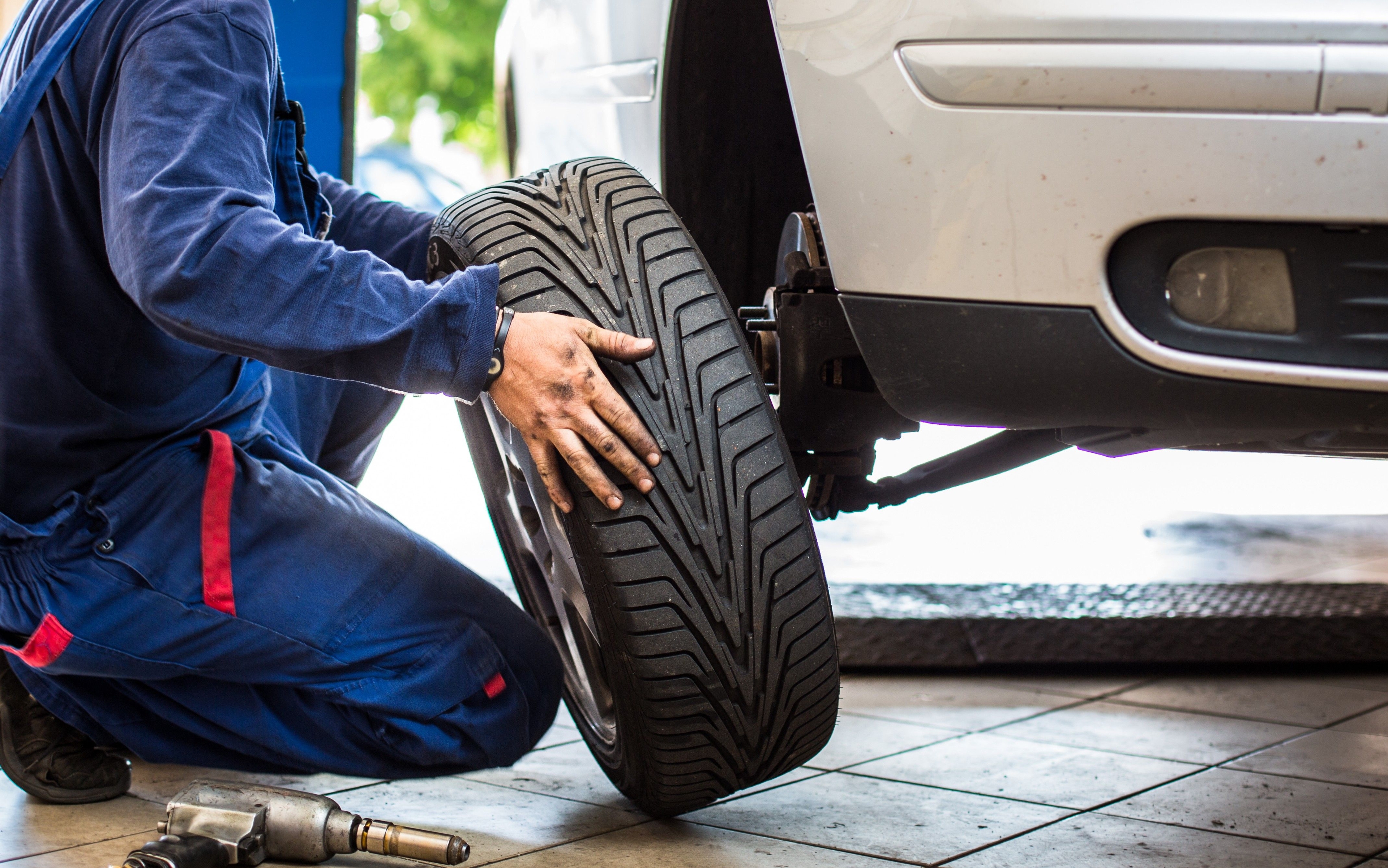
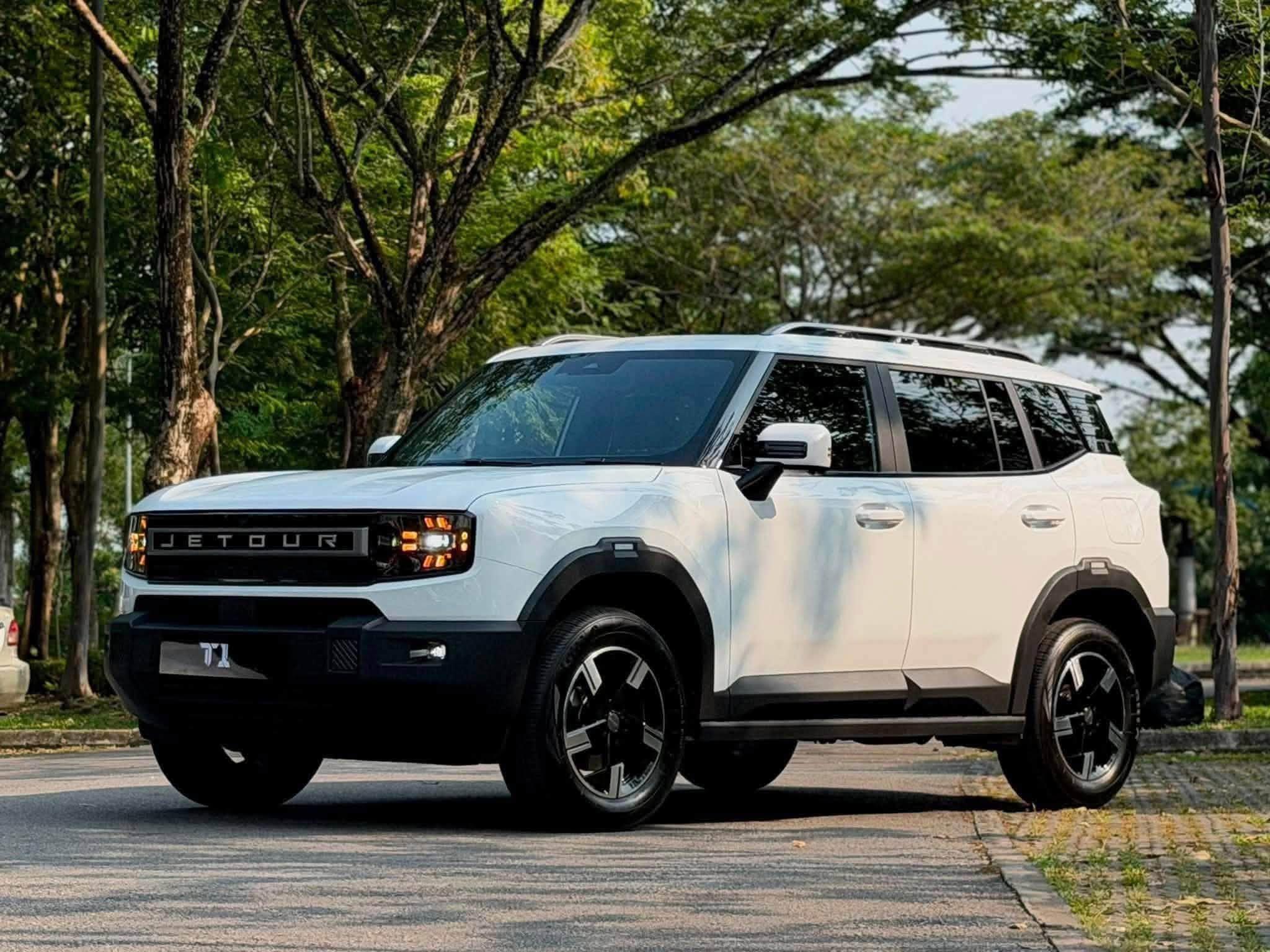
Many car owners love upgrading the look of their vehicle, and one of the most common modifications is fitting bigger tires. Larger tires can enhance the appearance of your car, especially for cabs, SUVs, and jeeps. But is it always a good idea? Today, MotorGuide explains the benefits, drawbacks, and key considerations before upgrading to bigger tires.
Can You Put Bigger Tires on Your Car?
Yes, you can. However, doing so comes with risks. Tires are not only about looks — they are crucial for performance, safety, and fuel economy. When choosing larger tires, you need to ensure they are the right fit for your vehicle and its capabilities.
Benefits of Bigger Tires
1. Increased Ground Clearance
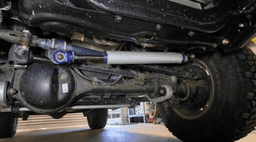
Bigger tires lift your vehicle higher, improving ground clearance. This is especially useful for drivers who often travel on rough or off-road surfaces.
2. Reduced Braking Distance
Wider tires create more contact with the road surface, which can help reduce braking distance and improve stopping power in certain situations.
3. Sporty Appearance
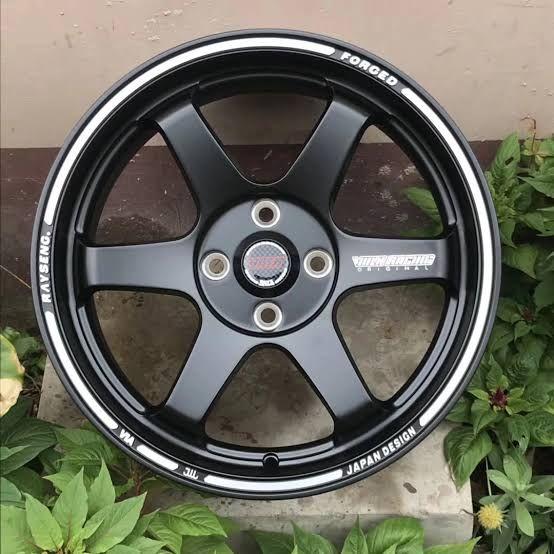
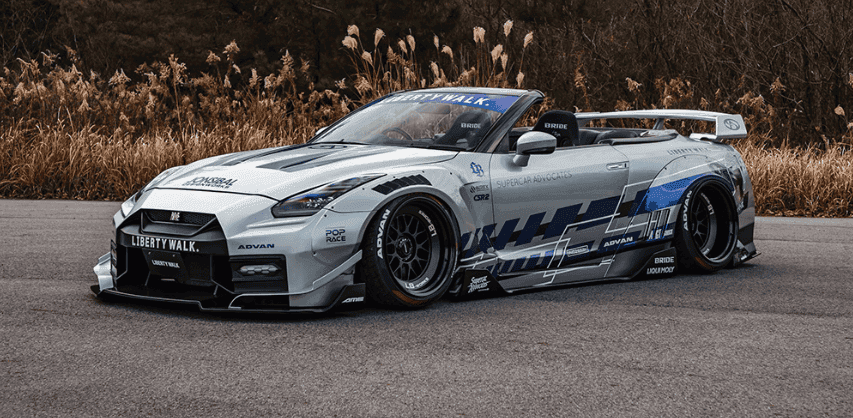
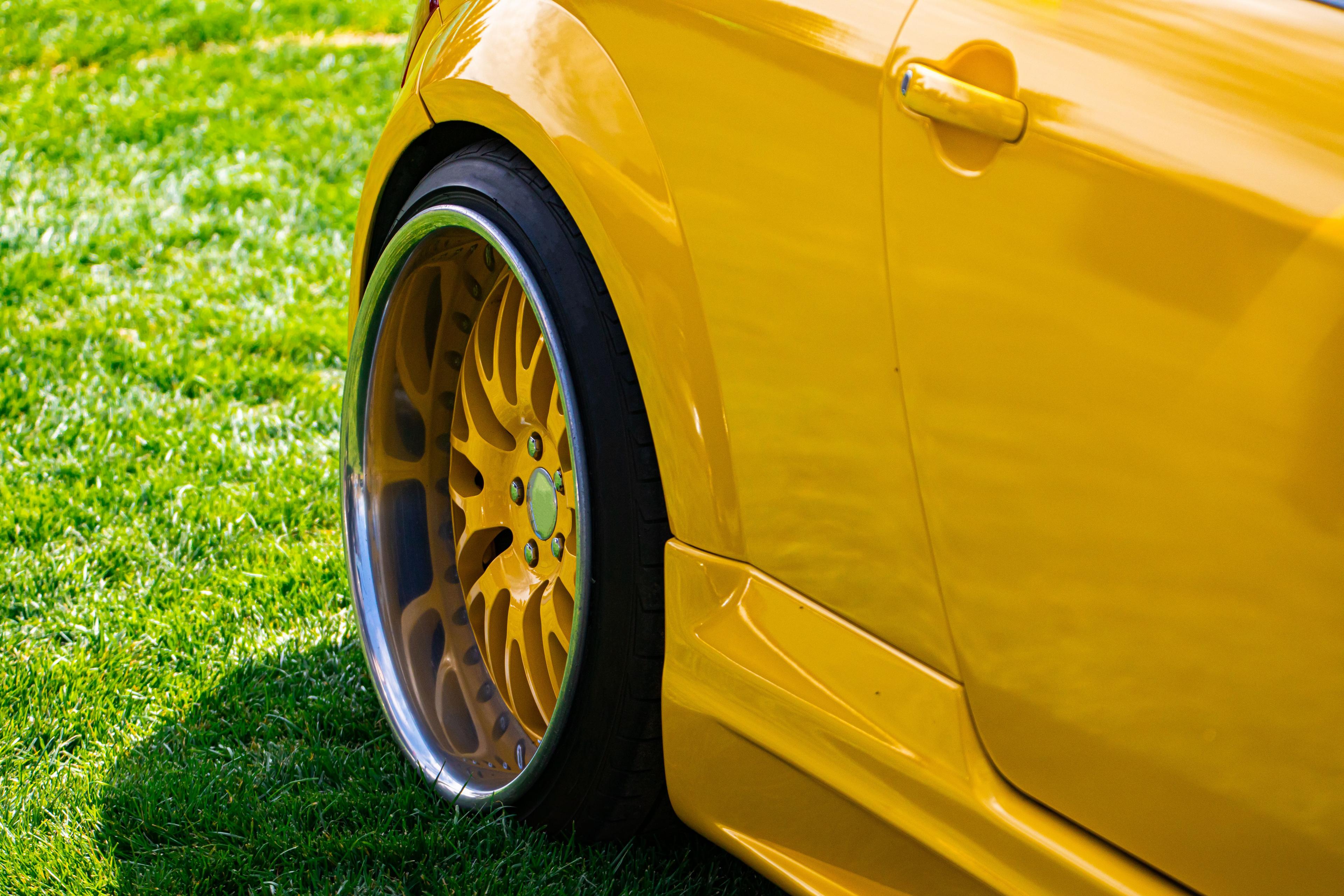
The most common reason for upgrading to bigger tires is aesthetics. Larger wheels give vehicles a stronger, sportier, and more aggressive look that stands out on the road.
4. Improved Stability
With wider tires, road contact increases, enhancing vehicle handling and cornering stability compared to smaller tires.
Disadvantages of Bigger Tires
1. Higher Fuel Consumption
Larger tires weigh more, which forces the engine to work harder. As a result, your fuel efficiency drops.
2. Slower Acceleration
Extra weight means slower acceleration, especially in smaller-engine cars. Vehicles with larger engines may feel less of an impact.
3. Inaccurate Speedometer Readings
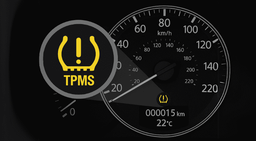
The speedometer is calibrated to standard tire size. Larger tires increase the circumference, making the speedometer show incorrect speeds unless recalibrated.
4. Increased Costs
Bigger tires are more expensive to purchase and maintain. Over time, this can significantly raise your overall car maintenance budget.
5. Extra Pressure on Brakes
Heavier tires put additional strain on the braking system, reducing braking efficiency and increasing wear on brake components.
Things to Consider Before Upgrading
The Wheel-to-Tire Ratio
Experts recommend maintaining the balance between wheel size and tire thickness. For example, if the wheel size increases by 1 inch, the tire’s sidewall should decrease by 1 inch. Ignoring this ratio can negatively affect suspension, grip, and overall safety.
Manufacturer Guidelines
Always check your vehicle’s manual before upgrading. Manufacturers provide recommended tire sizes, both larger and smaller, that ensure safe handling and performance.
Should You Upgrade?
Installing bigger tires can give your vehicle a bold look and improve certain aspects of performance. However, the drawbacks — such as reduced fuel economy, increased costs, and extra strain on the vehicle — should not be ignored. If you do choose to upgrade, make sure the size is recommended for your car and consult a professional before making the switch.
In the end, the decision lies with you. Think carefully before upgrading to bigger tires — once fitted, you’ll likely have to continue using the same size in the future. Balancing appearance, performance, and cost is key to making the right choice.

Written by
Nipuna Marasinghe