Are You Aware of a Vehicle's Stopping Distance?

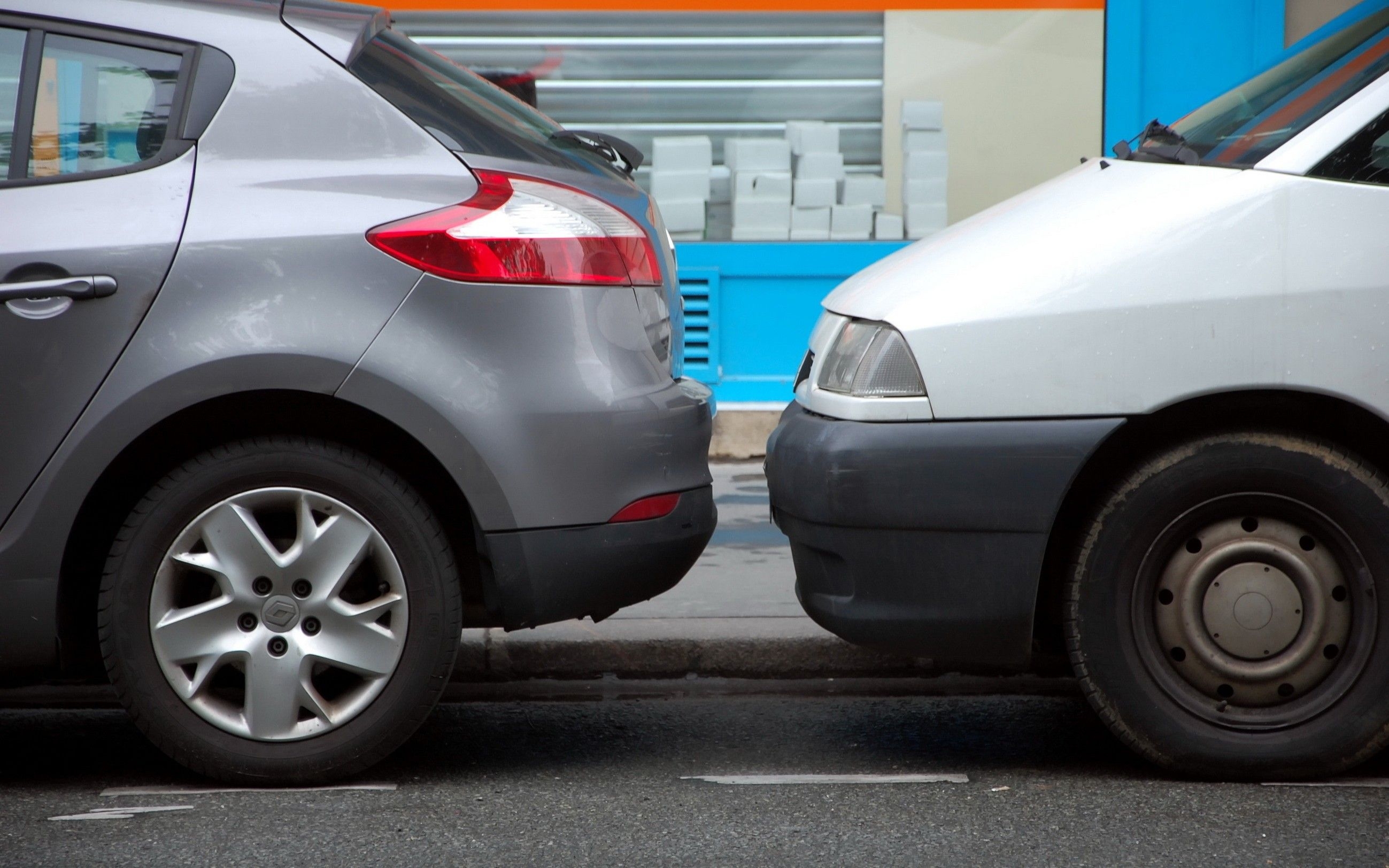
Stopping distance is something very important for anyone driving a vehicle, as well as for pedestrians. When you drive a vehicle, you need to maintain a certain distance from the vehicle in front of you. Otherwise, you and other vehicles on the road will face unexpected accidents. However, the distance you need to maintain varies depending on the speed you drive. You need to know about that. That's why today, through MotorGuide, we will inform you about a vehicle's stopping distance.
How exactly is stopping distance determined?
This stopping distance depends on four factors. These are: perception distance, reaction distance, braking distance, vehicle & road conditions. These things combine to form the stopping distance…
Are you aware of the distance a vehicle takes to stop (stopping distance)?
Stopping distance is something very important for anyone driving a vehicle, as well as for pedestrians. When you drive a vehicle, you need to maintain a certain distance from the vehicle in front of you. Otherwise, you and other vehicles on the road will face unexpected accidents. However, the distance you need to maintain varies depending on the speed you drive. You need to know about that. That's why today, through MotorGuide, we will inform you about a vehicle's stopping distance.
How exactly is stopping distance determined?
This stopping distance depends on four factors. These are: perception distance, reaction distance, braking distance, vehicle & road conditions. These things combine to form the stopping distance. So you need to know about those things too.
Perception distance and reaction distance
When a vehicle is traveling at a certain speed, the driver needs to feel the need to stop the vehicle, either due to an obstacle appearing suddenly or an urgent necessity. We call this 'perception'. It usually takes about 0.7 seconds for this perception to occur.
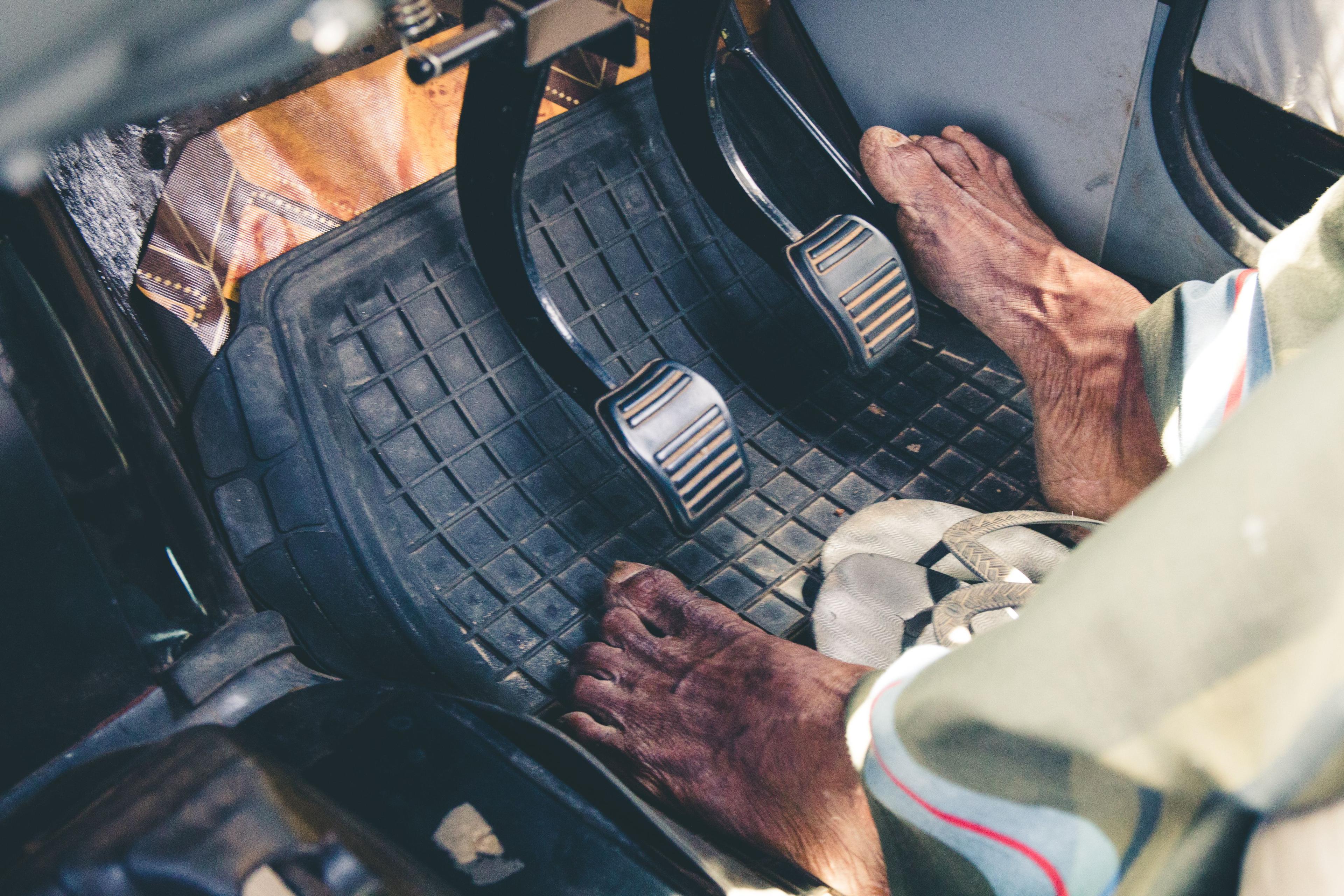
After perception occurs, the reaction to brake comes. Then, it takes about another 0.7 seconds for the leg to move from the accelerator to the brake for this reaction.
According to these two times, for a healthy person, it takes approximately 1.5 seconds to start braking. By that one and a half seconds, the vehicle has covered the perception distance and reaction distance.
The distance traveled is proportional to the square of your speed. Therefore, the distance traveled cannot be calculated in the same way here, depending on the speed at which the vehicle is driven.
Braking distance and vehicle & road conditions
After both perception and reaction distances, comes the braking distance. There, the braking distance varies greatly depending on many conditions such as the nature of the road you are driving on, whether the tires are worn out, and whether they are properly inflated. These conditions are what we call vehicle & road conditions.

Written by
Nipuna Marasinghe