Steps to Follow If a Vehicle Catches Fire

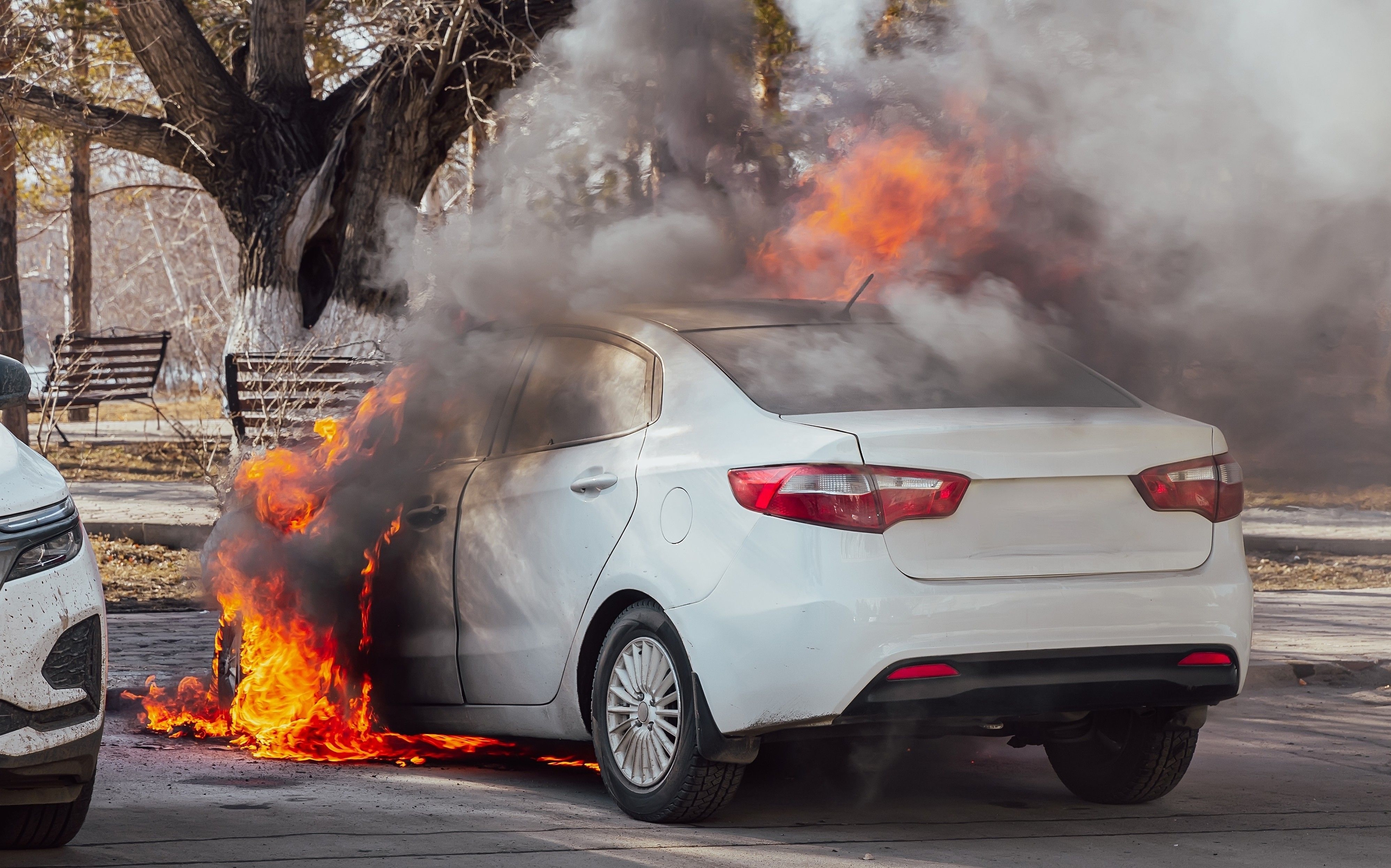
Vehicle fires are rare, but when they happen, they can be extremely dangerous. Fires can start inside or outside the car, and in most cases, they occur without warning. The key to safety is knowing exactly what to do if such an emergency happens. Today, MotorGuide explains the essential steps to follow if your vehicle catches fire and how to prevent it from happening in the first place.
How Do Vehicle Fires Happen?
There are several reasons why a vehicle can catch fire. In many cases, fires occur due to collisions, electrical malfunctions, or fuel system failures. During a collision, fuel leakage or damaged wiring can ignite a fire. That's why it's important to have your vehicle's electrical and fuel systems inspected regularly during every service appointment.
Common Causes of Vehicle Fires
- Repeatedly blown fuses
- Oil leaks under the hood after an oil change
- Fluid leaks under the vehicle
- Damaged exhaust system (especially if it produces loud noises)
- Sudden changes in fuel level, oil level, or engine temperature
- Missing oil filler cap
- Neglecting regular maintenance
Regular vehicle maintenance not only prevents fires but also extends the lifespan of your vehicle, improves fuel efficiency, and reduces repair costs.
What to Do If Your Vehicle Catches Fire
If you notice smoke or flames while driving, staying calm is crucial. Panic can make the situation worse. Follow these steps quickly and safely:
- Signal and stop the vehicle – Turn on your hazard lights and pull over to the nearest safe area such as a roadside shoulder or open space.
- Turn off the ignition – This cuts off power to the vehicle's electrical system and reduces the risk of the fire spreading.
- Evacuate everyone immediately – Get all passengers out of the vehicle at once. Do not re-enter to collect personal items.
- Move to a safe distance – Keep everyone at least 100 feet (30 meters) away from the vehicle to avoid toxic fumes or possible explosions.
- Call emergency services – Contact the fire department or local emergency number as soon as possible.
Important Safety Notes
Vehicle fires can occur in multiple areas, not just under the hood. They can start beneath the vehicle, near the wheels or brakes, on the dashboard, or inside the cabin. Fires that begin inside the vehicle are especially dangerous due to toxic smoke and limited escape space.
Never open the hood or doors if a fire has already started—this can allow more oxygen in and make the fire spread faster. Instead, move away from the vehicle and wait for professionals to handle it.
Preventing Vehicle Fires
You don't need to wait for a fire to take safety precautions. Follow these preventive measures:
- Service your vehicle regularly and check for leaks or damaged wires.
- Never ignore burning smells or smoke coming from the dashboard or engine area.
- Keep a small vehicle fire extinguisher in your car, especially if you travel long distances.
- Ensure that modifications to the electrical system (such as additional lights or sound systems) are done professionally.
If your vehicle ever catches fire, stay calm, act quickly, and prioritize safety over property. By following these steps and maintaining your vehicle properly, you can minimize the risk of a fire and protect yourself, your passengers, and others on the road. Remember — if there's a fire, don't panic. Think smart and stay safe.

Written by
Nipuna Marasinghe