How to Choose the Best Tires for Your Vehicle

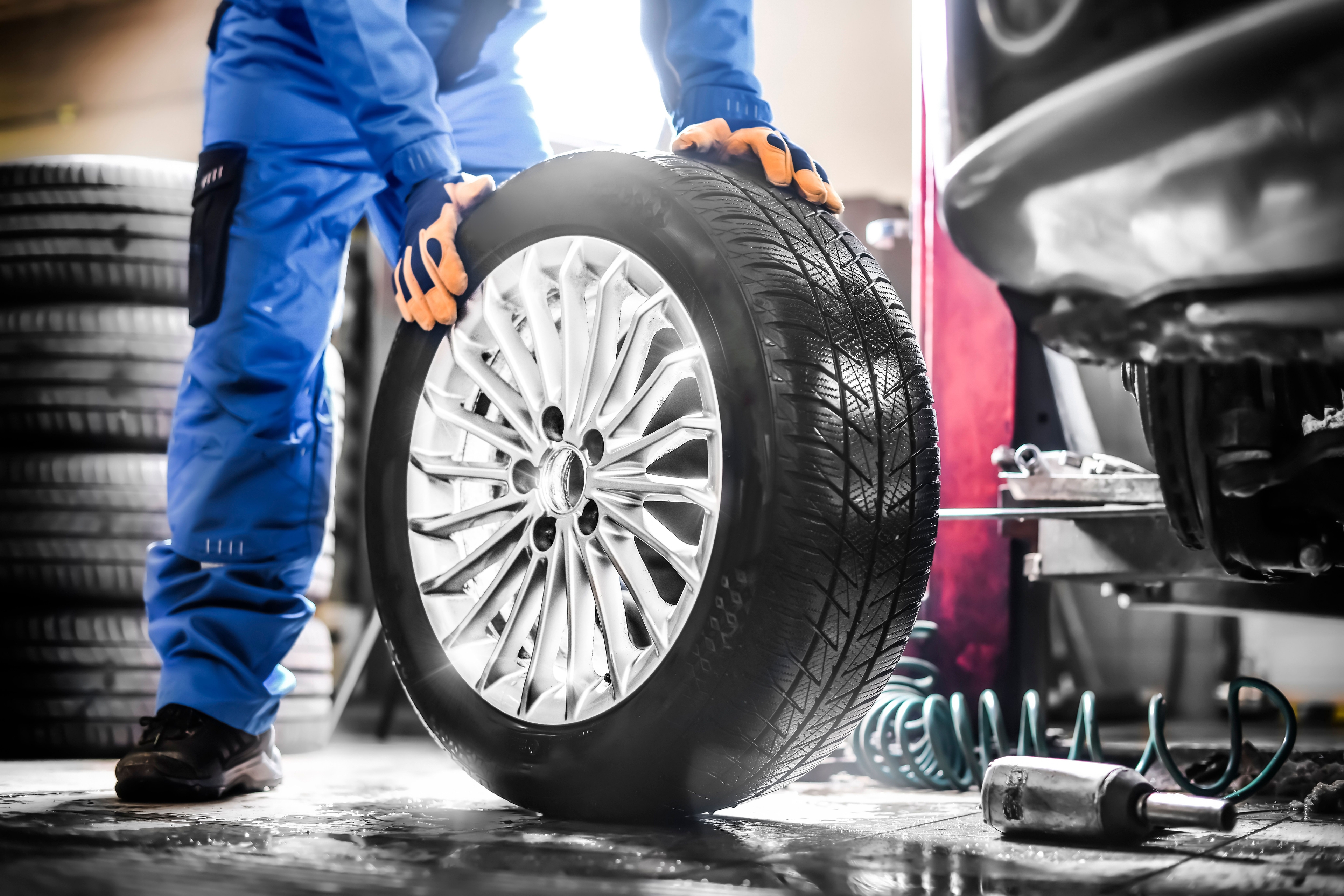
Have you noticed your car tires wearing out after just a year or two? If the answer is "yes," you may have unknowingly chosen poor-quality tires. Tires are the only part of your vehicle that touch the road, so they play a crucial role in safety, performance, and comfort. Choosing the wrong ones can shorten lifespan, reduce fuel efficiency, and even put you at risk. Today, MotorGuide explains how to choose the best tires for your vehicle step by step.
1. Choose a Reliable Brand
When selecting tires, always prioritize a recognized and trusted brand. Leading manufacturers invest heavily in research, quality testing, and safety standards. This ensures their tires deliver durability, grip, and reliability. Avoid unbranded or low-cost options—while cheaper initially, they may wear out faster and cost you more in the long run.
2. What Type of Tires Do You Need?
Different vehicles and terrains require different tires:
- Passenger Cars → Mostly use standard on-road tires for everyday driving.
- SUVs & Jeeps → Often switch between terrains, so tire choice matters more.
Common Tire Types:
- Mud Tire (MT): Designed for deep mud and off-road use. Large grooves provide grip but make more noise on roads and reduce lifespan.
- All-Terrain Tire (AT): Balanced option for on-road, gravel, and light off-road driving. Eliminates the need to change tires when changing terrains.
3. Check the Tire Sidewall Details
The sidewall of every tire displays critical information. Here’s what you must check:
➤ Tire Width
The first three numbers represent the tire width (in millimeters). Wider tires improve grip and stability, but reduce fuel efficiency and increase noise.
➤ Tire Profile
The profile (aspect ratio) is shown as a percentage of the width. A higher profile (>50) provides comfort and safety.
➤ Tire Size
Found next to the letter “R” (e.g., R15, R16). Always use the manufacturer-recommended size for your car.
➤ Tire Speed Rating
The last letter in the code (e.g., H, V, W) indicates the maximum safe speed. Higher ratings mean better grip, but faster tread wear.
4. Understand Tread Patterns
Tread design affects tire performance in different conditions:
- Directional Tread: V-shaped pattern, great for wet roads as it disperses water. Noisier but safer in rain.
- Symmetrical Tread: Common design with wave-like grooves. Quieter, but water may accumulate in heavy rain.
- Asymmetrical Tread: Combines benefits of both. Less noise, better rain handling, and higher performance (more expensive).
5. Treadwear, Traction & Tire Age
- Treadwear Rating: Higher = longer-lasting tires.
- Traction Grade: Marked with letters (A, B, C). Grade “A” provides better braking performance on wet roads.
- Tire Age: Tires expire after 5–6 years. Check the DOT code (last four digits). Example:
1221→ 12th week of 2021.
6. Manufacturer’s Warranty
Always choose tires with a reliable warranty. Even if slightly more expensive, they ensure long-term safety and quality. Avoid tires without warranties as they may lead to future risks and expenses.
Choosing the best tires for your vehicle isn’t just about looks—it’s about safety, performance, and durability. Always:
- Pick a trusted brand.
- Choose the correct size and speed rating.
- Match tires to your driving conditions.
- Check tread patterns, traction, and age.
- Prefer tires with a warranty.
By following these steps, you’ll extend tire life, improve fuel efficiency, and drive with confidence on any road. 🚘

Written by
Nipuna Marasinghe