How to Drive a Car Properly on the Highway

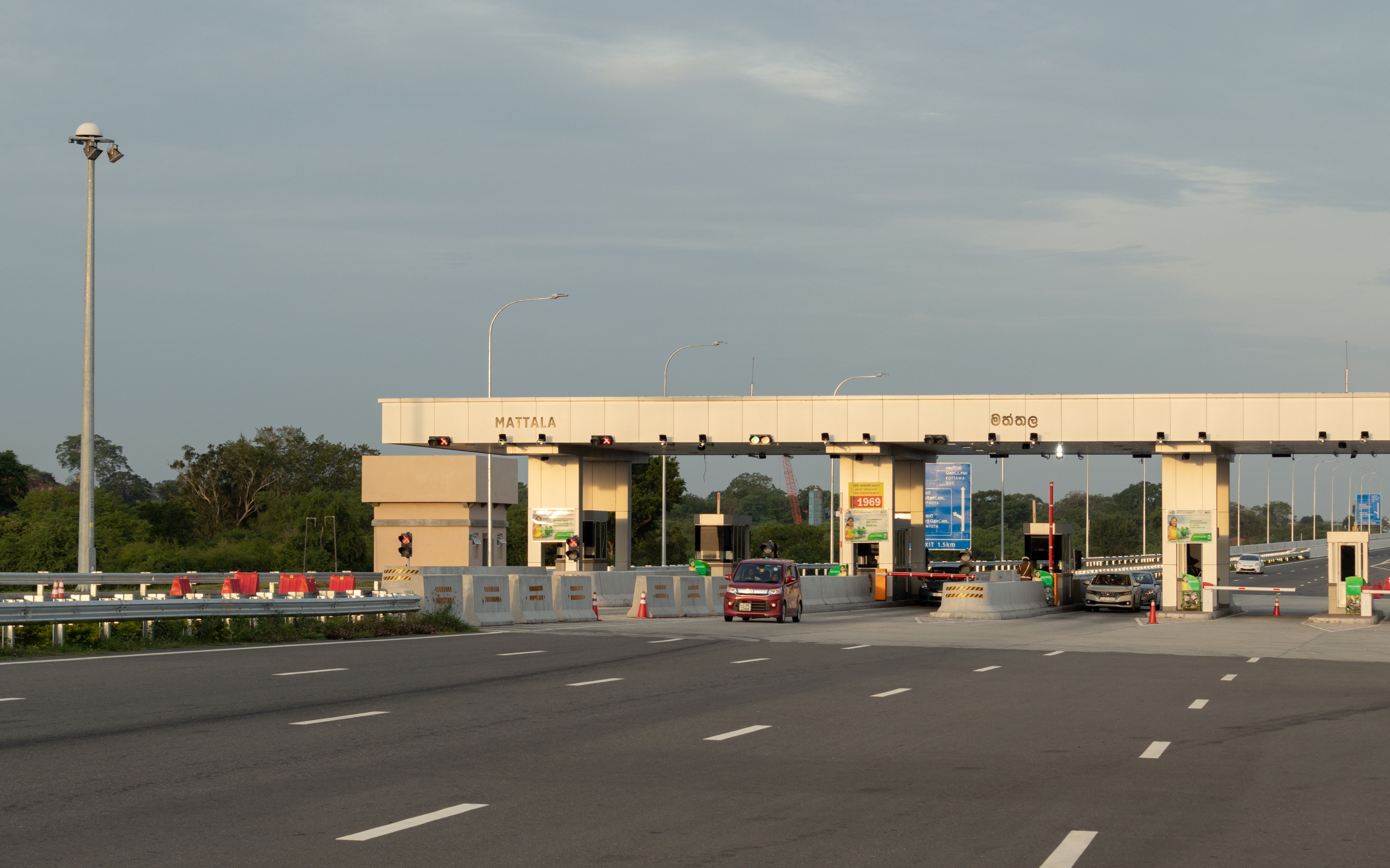
Have you ever driven on the highway? If you are planning a long trip, the highway is the fastest and most convenient option. Highways save time, reduce traffic problems, and provide a smooth driving experience. But to drive safely, you must know the proper rules and techniques. Whether you are an experienced driver, a new vehicle owner, or planning to buy one, this guide from MotorGuide explains step by step how to drive properly on the highway.
How to Enter the Highway
When entering the highway, you will receive a ticket — keep it safe until you exit. Pay attention to directional signs and distance boards showing how many kilometers remain to the next city exit. The maximum allowed speed is 100 km/h. Driving above this limit will result in fines from highway police.
Basic Highway Driving Rules
- Always wear your seat belt.
- Avoid distractions — put your phone aside.
- Keep your focus entirely on the road.
Highway Lanes Explained
Highways usually have two main lanes:
- Left Lane: Used for normal driving and moving forward.
- Right Lane: Reserved for overtaking other vehicles.
Always return to the left lane after overtaking. Use signal lights before changing lanes and check your mirrors carefully.
Safe Distance Between Vehicles
Maintain a safe following distance. If the vehicle in front brakes suddenly and you are too close, it can lead to a chain collision. Keeping at least a 5-second gap gives you enough reaction time to brake safely.
How to Overtake on the Highway
- Signal to the right before overtaking.
- Check your right side mirror for vehicles coming from behind.
- Overtake at a safe speed.
- After overtaking, signal left, check your left mirror, and return to the left lane.
The Importance of Using Signals
Signals communicate your movements to other drivers. Always use indicators when changing lanes, overtaking, or slowing down. This ensures safety and prevents sudden accidents.
Mirror Checks
Regularly check your side mirrors and rear-view mirror. Before overtaking or changing lanes, confirm if any vehicles are approaching from behind.
Driving in the Rain
Highway driving becomes riskier in heavy rain. Follow these safety steps:
- Avoid sudden braking.
- Switch on headlights, even during the day.
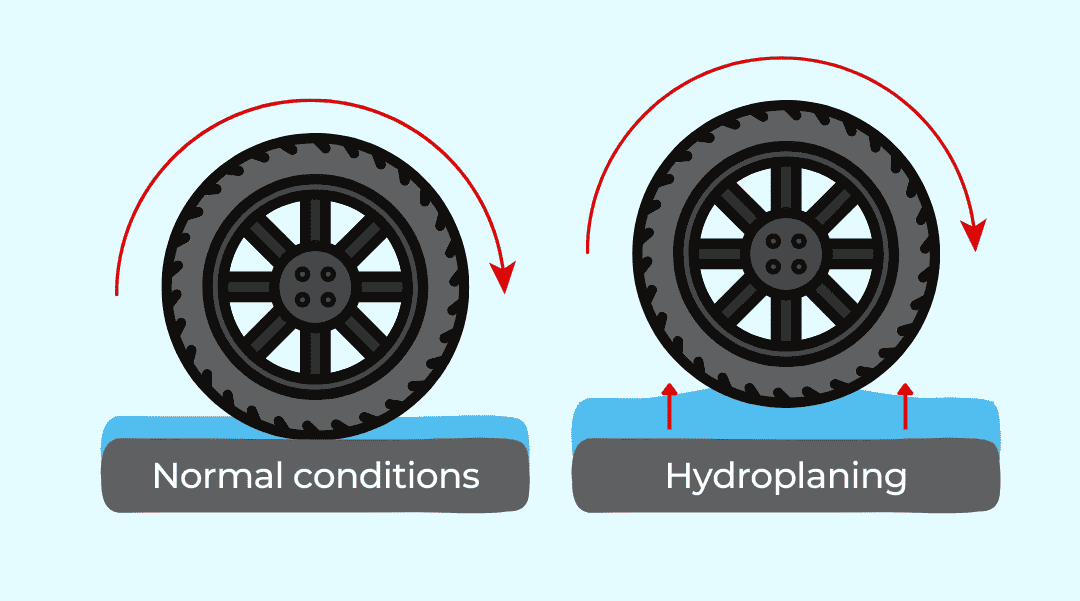
- Slow down — wet roads reduce tire grip and may cause skidding.
Driving at Night
If possible, avoid highway driving at night. But in emergencies:
- Ensure good visibility.
- Clean the windshield before your trip.
- Turn on all headlights and check they are working properly.
What Not to Do on the Highway
- Do not reverse — reversing on the highway is strictly prohibited.
- Do not stop unless it is an emergency (such as an accident or breakdown).
Final Thoughts
Driving on the highway is convenient, fast, and stress-free — but only if you follow the rules. Keep a safe speed, use signals properly, and stay alert at all times. By following these MotorGuide highway driving tips, you can enjoy a safe and comfortable journey every time.

Written by
Nipuna Marasinghe