Is It Advisable to Turn Off the Auto Start-Stop System?

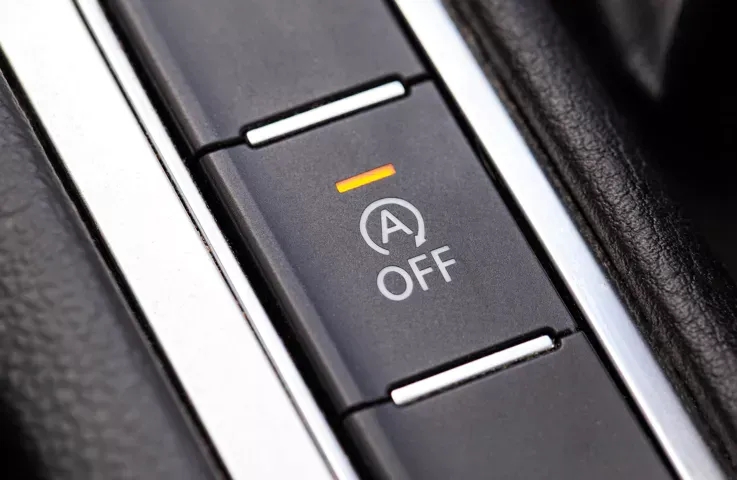
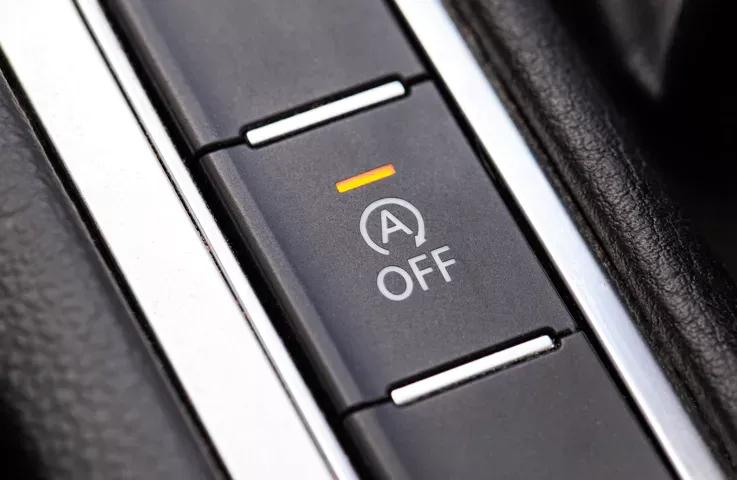
Today at Motor Guide, we are discussing a topic that is frequently talked about regarding modern vehicles and is a source of suspicion for many drivers: the Auto Start-Stop system. When you stop your vehicle in traffic or at a traffic light, the engine automatically shuts off and restarts the moment you lift your foot off the brake. Many drivers wonder if it is actually good to turn this system off. Fearing that it will drain the battery or wear out the starter motor prematurely, many people immediately press the Start-Stop button to disable it as soon as they start their cars. Let's uncover the technical truth behind this technology and whether turning it off is good or bad for your vehicle.
The Primary Purpose of Auto Start-Stop
First, we need to understand the main goal of the Start-Stop system. It is a brilliant technological solution introduced by automakers to control rising global fuel prices and environmental pollution. When a vehicle is stuck in traffic or stopped at a signal, leaving the engine idling unnecessarily burns fuel and releases carbon dioxide into the environment. The Auto Start-Stop system temporarily shuts down the engine the moment the vehicle comes to a complete halt (for example, while holding down the brake pedal). When you need to move again, simply releasing the brake or pressing the accelerator restarts the engine in a fraction of a second.
Hardware Durability: Starter Motors and Batteries
As professionals in this field, the main point we want to highlight is that the starter motors and batteries used in vehicles with Start-Stop technology are not the standard ones found in older cars. Some people assume that constantly turning the engine off and on will quickly burn out the starter motor. However, manufacturers equip these vehicles with highly durable, heavy-duty starter motors, specialized Enhanced Flooded Batteries (EFB) or Absorbent Glass Mat (AGM) batteries, and advanced crankshaft position sensors. Therefore, the lifespan of these specific components is manufactured to an exceptionally high standard to easily withstand the demands of this technology.
Fuel Savings and Environmental Benefits
Looking at the fuel-saving advantages, if you are someone who frequently drives in city limits with heavy traffic congestion, this Start-Stop system can save a significant percentage on your monthly fuel bill. Vehicles traveling daily through highly congested areas like Narahenpita, Borella, or Colombo gain immense fuel-saving benefits from this. Furthermore, because the engine is off while stationary, it makes a massive contribution to reducing both exhaust emissions and noise pollution in the environment.
The Drawbacks and Discomforts
On the flip side, constantly using this system does come with certain disadvantages and discomforts. Because the vehicle is continuously stopping and starting, engine oil pressure can drop for brief moments. Additionally, in extremely hot countries like Sri Lanka, when the engine shuts off, the operation of the cabin's AC compressor also slows down. As a result, you might feel the cabin temperature rise slightly after a short while. Moreover, the constant on-and-off shuttering of the engine can sometimes become mentally annoying for the driver.
Motor Guide's Final Advice
So, deciding whether turning off the Start-Stop system is good or bad depends entirely on how you use your vehicle. If you primarily drive on highways or take long trips without much traffic, you won't see much benefit from this system. Even within the city, if the constant engine shut-offs annoy you, there is absolutely nothing wrong with turning it off via the dashboard button as soon as you start the car. It will not cause any new damage to the vehicle's engine. However, remember that automakers designed this to be eco-friendly and fuel-efficient; allowing it to operate in standard traffic is beneficial both technically and economically.
Motor Guide's ultimate advice is this: keeping the Start-Stop system active during heavy city traffic is highly recommended to save fuel. However, if it feels uncomfortable or bothersome to you, turning it off will not harm your vehicle in any way. It completely depends on your personal driving preferences. And don't forget to always stay tuned with Motor Guide to learn more valuable information like this about modern vehicles and technology!

Written by
Nisaga Sandaru
A versatile and highly experienced professional, currently an Automobile undergraduate at the University of Jaffna, with strong technical expertise grounded in hands-on work as a technician with SriLankan Airlines Ground Support Equipment (GSE). Holding an Automobile NVQ Level 3 qualification, along with specialized certifications in Vehicle ECU Programming and Diagnosis, and extensive experience in arc welding and vehicle body painting, and well equipped to handle complex automotive, diagnostic, and fabrication-related tasks with a high level of competence.