What are Understeer and Oversteer?

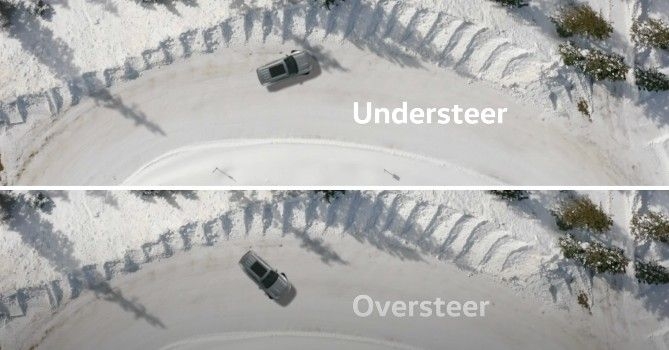
Today at Motor Guide, we are discussing a highly important topic that anyone driving a vehicle, or anyone interested in cars, absolutely must know. That is the two conditions known as Understeer and Oversteer in a vehicle. These can be described as the two main physical phenomena that cause us to lose control of a vehicle while driving on the road.
Even though many people have heard these two words, they lack the correct technical knowledge of what exactly happens and how to control a vehicle during such moments. So, as highly experienced professionals in the automotive field, today we will explain this to you very simply and clearly.
When a vehicle takes a turn, its behavior is determined by the friction, or the grip, between the wheels and the road. Understeer and Oversteer are the two primary ways this grip breaks traction. If there is no proper understanding of these, the chances of a major accident occurring in an emergency are very high.
What is Understeer?
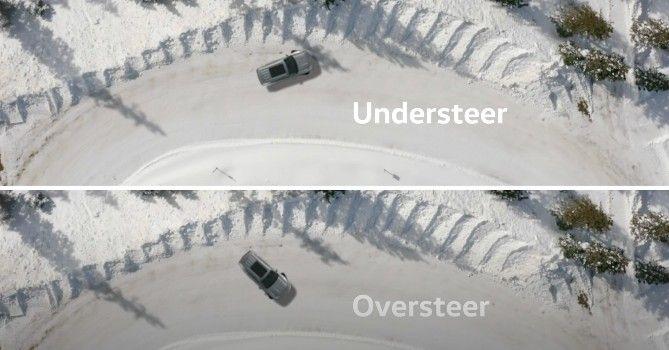
First, let's look at what Understeer is. Simply put, when you try to take a corner, and instead of the vehicle's front wheels turning in the direction you are steering, they slide straight ahead, outwards from the corner—that is called Understeer. What happens here is a complete loss of grip or traction in the front wheels on the road.
No matter how much you turn the steering wheel, the vehicle will not turn; instead, it pushes straight forward. This situation is mostly seen in Front-Wheel Drive (FWD) vehicles. Because in those vehicles, the front two wheels handle both putting the engine's power to the road and steering the vehicle, placing more pressure on those wheels than they can withstand.
Entering a corner at excessive speed, braking hard mid-corner, or slippery road conditions during rain can cause this situation. When this happens, what you must do is refrain from panicking and turning the steering wheel further. Instead, ease your foot off the accelerator and let the wheels regain their grip without braking. As the speed decreases, the wheels can reconnect with the road, and then you can easily steer the vehicle.
What is Oversteer?
Next, let's talk about the condition known as Oversteer. This is completely different from Understeer and can be considered a somewhat more dangerous situation. Here, when taking a corner, the rear wheels lose their grip, and the back end of the vehicle swings outward and slides. In other words, the rear of the vehicle tries to rotate more than the amount you are steering.
We typically see this in Rear-Wheel Drive (RWD) vehicles. If you step hard on the accelerator mid-corner, the rotational speed of the rear wheels increases, and they lose their grip on the road. Similarly, if you suddenly lift your foot off the accelerator while cornering, the vehicle's weight transfers to the front. Because the rear wheels lose weight and traction at that moment, Oversteer can occur.
To control this, you need to Counter-steer. That means you must turn the steering wheel in the same direction the rear of the vehicle is sliding. However, you need good experience to do this; otherwise, the vehicle can completely spin out of control, making a severe accident highly likely.
The Role of Weight Distribution, Tires, and Suspension
As professionals in this field, one thing we constantly see is that the vehicle's Weight Distribution directly affects the occurrence of both Understeer and Oversteer. When a vehicle goes fast and you brake, all the weight moves to the front; when you accelerate, the weight goes to the rear. It is when this weight transfer is not managed correctly that the wheels lose grip and these problems arise.
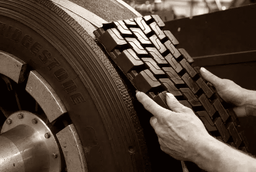
Another factor is how much the condition of the tires and the Suspension system affects this. Variations in tire air pressure, worn-out tires, and similar issues greatly increase the tendency to slide. For example, if the front tires are worn, the likelihood of Understeer is high; if the rear tires are worn, the likelihood of Oversteer is high. Therefore, properly rotating a vehicle's tires and maintaining the correct air pressure is an absolute must.
Similarly, when shock absorbers become weak, the vehicle's weight transfer becomes unbalanced, which can cause these kinds of slides.
Modern Technology vs. Physics
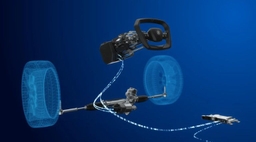
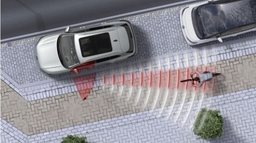
Modern vehicle manufacturers use various technological systems to prevent these conditions. For example, systems like Electronic Stability Control (ESC) or Traction Control System (TCS) can be highlighted. Whenever the vehicle attempts to slide, these systems automatically control the wheel speeds and brakes to help bring the vehicle back on track.
But just because this technology is present, we cannot override the laws of physics. There are plenty of instances where even these systems cannot control the vehicle when driving at excessive speeds. Therefore, as a driver, having a genuine understanding of these dynamics is highly important for road safety. Especially on rainy days, because the roads are slippery, the risk of both these conditions occurring increases manifold. Limiting speed and being extra careful when taking corners in such situations is essential.
Drivetrain Layouts and Drifting
The location of a vehicle's engine and the nature of its drivetrain also directly affect this. Vehicles with the engine in the front carry more weight up front, meaning a higher tendency to Understeer. Sports cars with the engine in the middle or rear carry more weight at the back, increasing the tendency to Oversteer.
This is exactly why racers utilize the Oversteer condition to perform the sport called Drifting. However, for us driving on regular roads, both these conditions can be dangerous.
Also, in All-Wheel Drive (AWD) vehicles—where all four wheels are driven—the chances of both these conditions occurring are relatively low. Because the engine's power and grip are distributed equally to all four wheels, the vehicle's balance remains at a maximum level. But we must always remember that every vehicle has its limits.
Mental Focus and Speed Control
To avoid technical issues like these while driving, it is essential for the driver to have a high level of mental focus and experience. Many people think turning a vehicle is just about turning the steering wheel. But what truly happens is the management of the vehicle's overall weight and motion.
By observing the nature of the road ahead as you approach a corner and controlling your speed beforehand, you can reduce the chances of Understeer or Oversteer by 90%. Especially at night and during foggy conditions when the road is not clearly visible, paying closer attention to this is the driver's responsibility.
Motor Guide's Final Advice
Motor Guide's advice is this: first, identify what kind of vehicle you are using. You need to know if it's Front-Wheel Drive, Rear-Wheel Drive, or All-Wheel Drive. Also, constantly check the condition of your vehicle's tires. Get into the habit of reducing speed well before entering a corner. Completely stop suddenly braking hard mid-corner or aggressively stomping on the accelerator. We lose control of a vehicle because of the wrong decisions we make.
Therefore, by driving with constant attention and correct technical understanding, you can completely avoid such risky situations. Driving a vehicle is an art, and performing that art safely benefits everyone.
And don't forget to always stay tuned with Motor Guide to learn more valuable information like this about modern vehicles and technology!

Written by
Nisaga Sandaru
A versatile and highly experienced professional, currently an Automobile undergraduate at the University of Jaffna, with strong technical expertise grounded in hands-on work as a technician with SriLankan Airlines Ground Support Equipment (GSE). Holding an Automobile NVQ Level 3 qualification, along with specialized certifications in Vehicle ECU Programming and Diagnosis, and extensive experience in arc welding and vehicle body painting, and well equipped to handle complex automotive, diagnostic, and fabrication-related tasks with a high level of competence.