Private Sector Contribution for the Maintenance and Management of the Expressway System in 2026

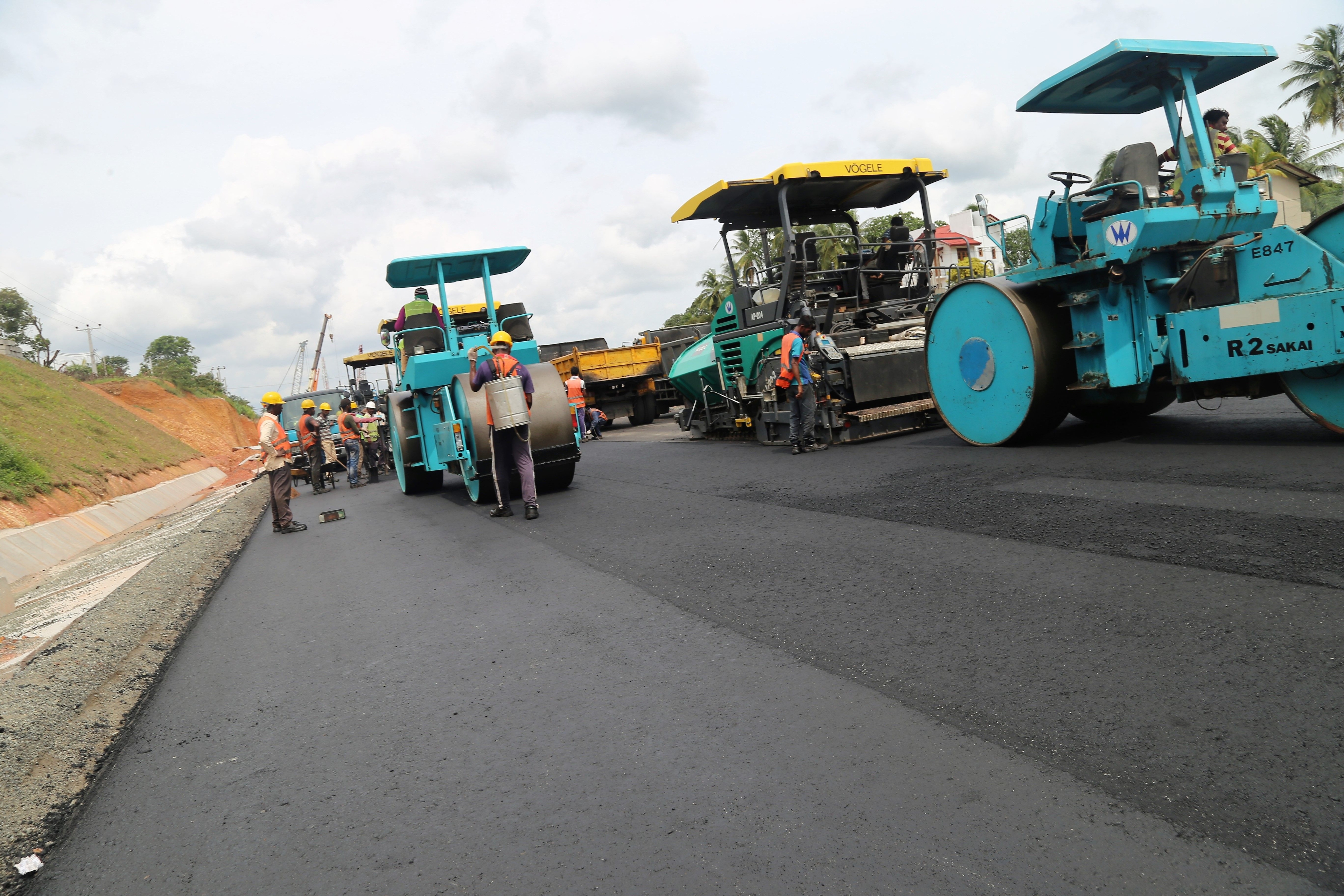
Today at Motor Guide, we are discussing the current state of the expressway system in Sri Lanka and the importance of securing private sector contribution for its maintenance and management. This topic is highly crucial for our country's economy and future progress today. We know that our country's expressway system was built amidst massive debt and numerous challenges. Today, maintaining these roads is no longer a burden the government can bear alone.
Current Economic Challenges and Maintenance Needs
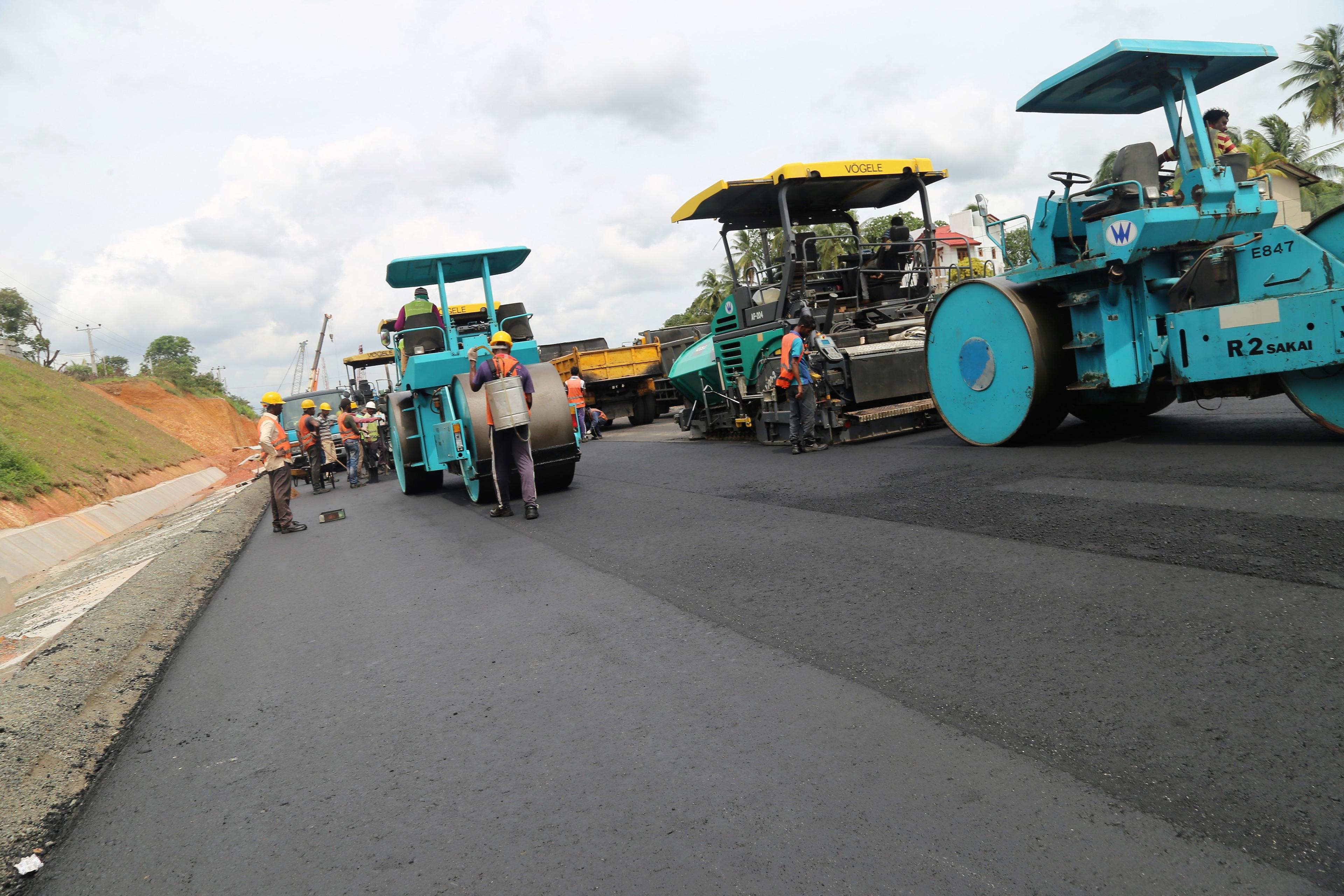
When discussing our country's situation, due to the ongoing economic crisis, government institutions have only a limited amount of resources. As professionals in this field, what we see is that maintaining an expressway is not as easy as maintaining a normal road. It requires highly advanced technological equipment, timely inspections, and skilled technicians. For example, things like pavement maintenance, signaling systems, lighting, and emergency accident management require a massive amount of money and efficiency. Given the current situation, there are certain delays or shortcomings in these maintenance programs, which is why bringing in the private sector can help overcome this challenge.
Efficiency and Modern Technology
When mentioning the private sector, many people assume it means toll fees will increase. But there is a fact we must understand. The private sector means efficiency. They get involved in a project like this not to hike taxes, but to use their business expertise and technology to bring road maintenance to a superior level. Their involvement means the work speeds up because they possess the necessary machinery and the latest technology for maintenance tasks. The bureaucratic hurdles that exist when this work is under the government can be reduced when dealing with the private sector.
Public-Private Partnership (PPP)
As professionals in this field, we know that executing this through a Public-Private Partnership (PPP) offers a massive advantage to Sri Lanka. Here, when signing agreements, the work happens under a very clear set of rules. When handing over road maintenance and toll gate management to the private sector, they must ensure road safety and provide comfortable facilities for drivers. Through these agreements, the revenue the government receives can be properly calculated, allowing the private companies to make a reasonable profit while rendering a great service to the country.
Automated Toll Collection in 2026
Specifically, since vehicle usage and expressway usage in our country have increased by the year 2026, the private sector can use modern technology to completely automate the toll collection process.
The Need for Strict Government Supervision
However, while doing this, strict government supervision is mandatory. If the private sector operates solely based on profit, they might cut the funds allocated for maintenance. To prevent that from happening, the government must always ensure that maintenance standards are kept at an international level. As professionals in this field, we suggest that the tender procedures for maintenance be conducted in a highly transparent and competitive manner. Then, the most capable organizations can be selected to secure the country's expressway system.
Motor Guide's Final Advice
Ultimately, involving the private sector does not mean the government is shirking its responsibilities; it is a sharing of responsibility and intelligent management. Most expressway systems in developed countries around the world are operated using this method. To maintain the quality of expressways with our limited revenue streams, the technical and managerial capabilities of the private sector are absolutely essential. Through that, we can guarantee a safe and fast journey for drivers.
Furthermore, considering Sri Lanka's current economic and technological background, securing private sector contribution is a vital factor for the survival of the expressway system. But it must happen only under strict government regulation and through transparent agreements that do not cause injustice to the country's sovereignty or the general public. That way, we can sustain our infrastructure for the long term.
And don't forget to always stay tuned with Motor Guide to learn more valuable information like this about modern vehicles and technology!
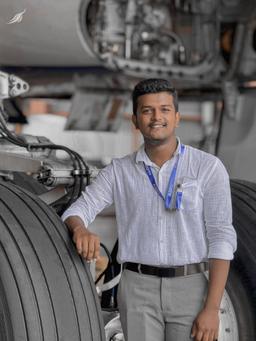
Written by
Nisaga Sandaru
A versatile and highly experienced professional, currently an Automobile undergraduate at the University of Jaffna, with strong technical expertise grounded in hands-on work as a technician with SriLankan Airlines Ground Support Equipment (GSE). Holding an Automobile NVQ Level 3 qualification, along with specialized certifications in Vehicle ECU Programming and Diagnosis, and extensive experience in arc welding and vehicle body painting, and well equipped to handle complex automotive, diagnostic, and fabrication-related tasks with a high level of competence.