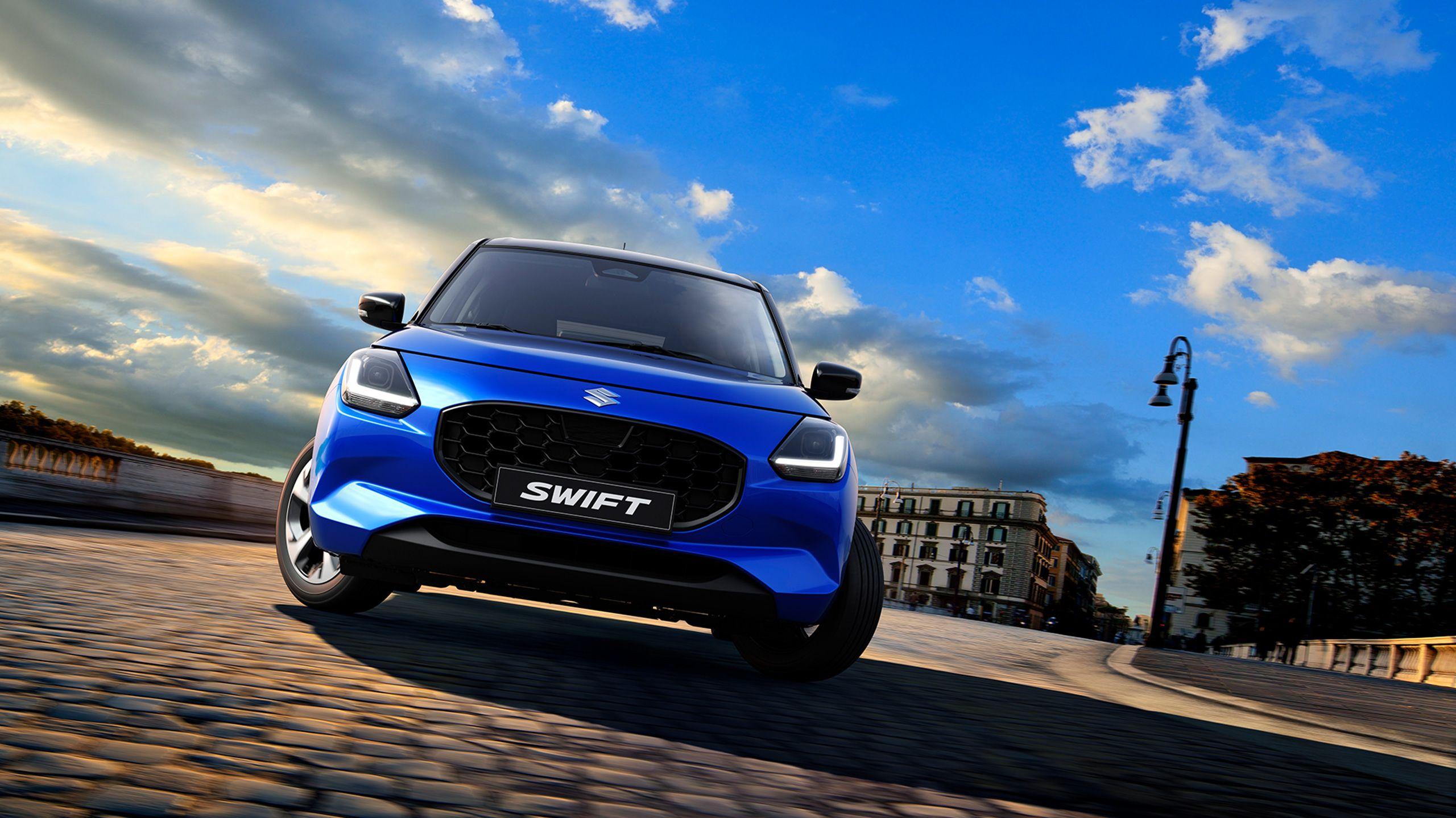
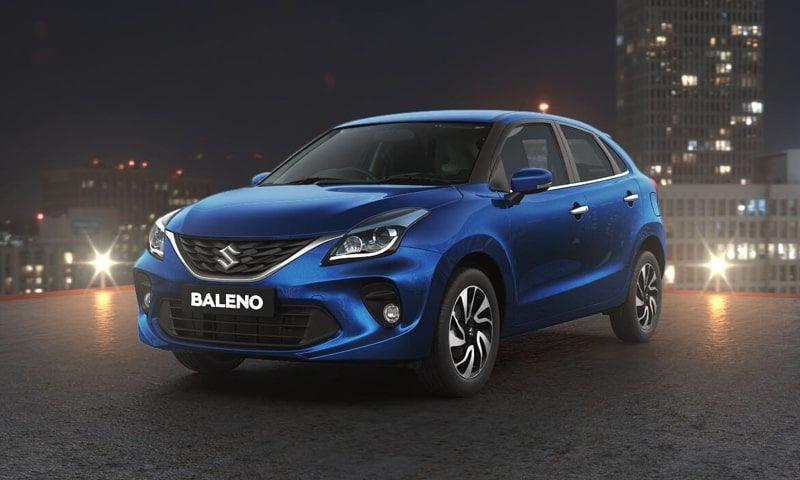
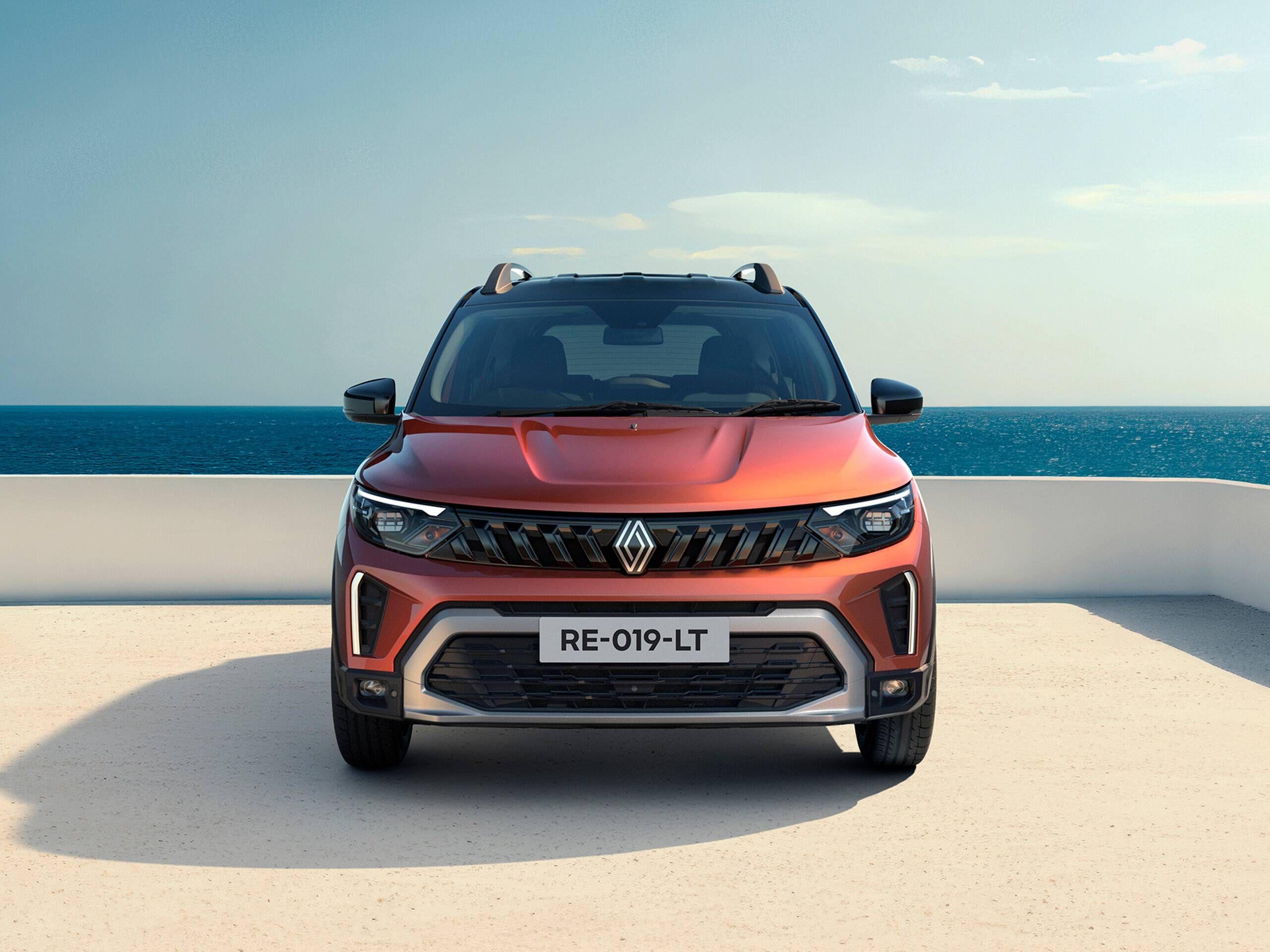
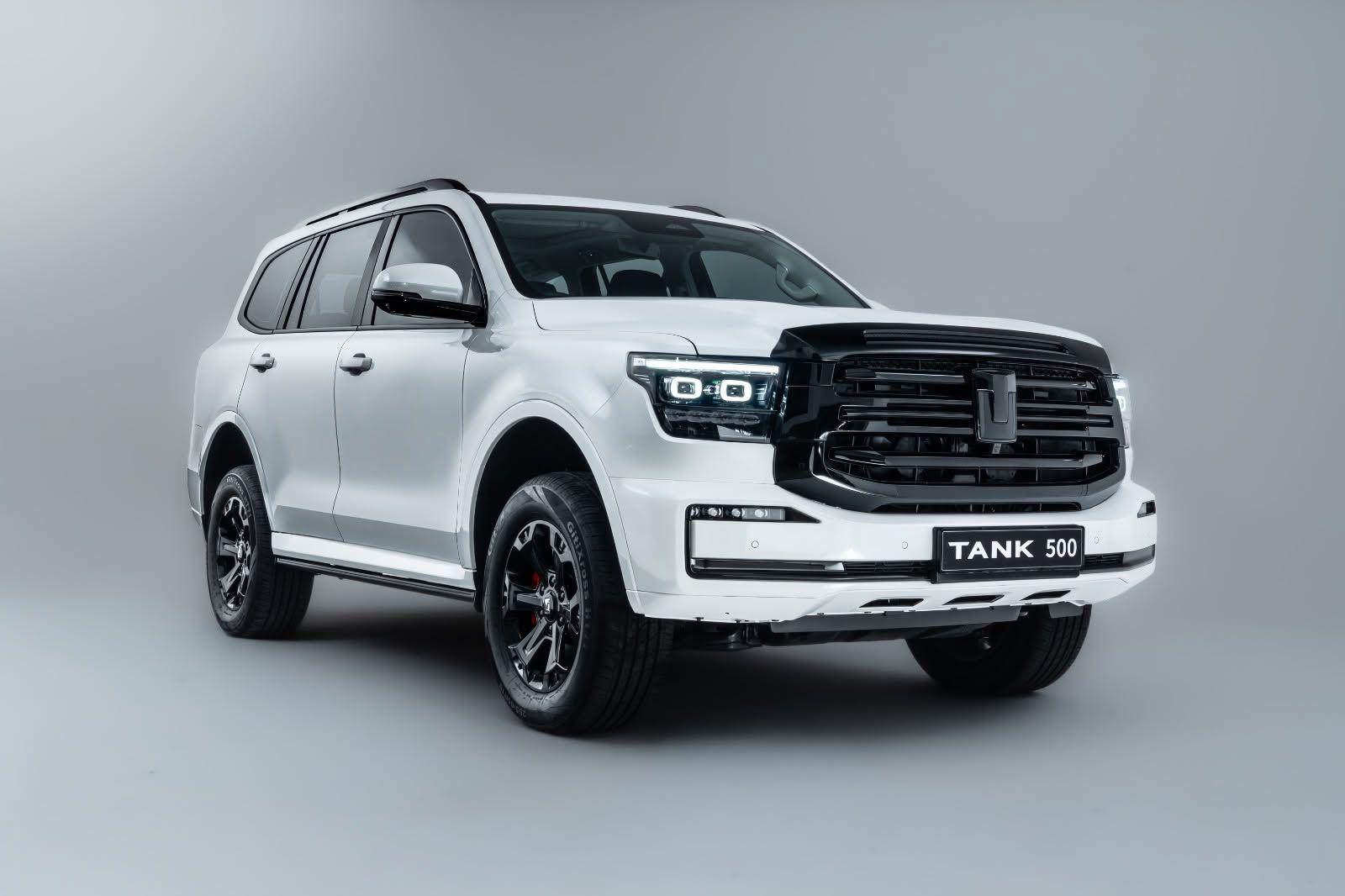
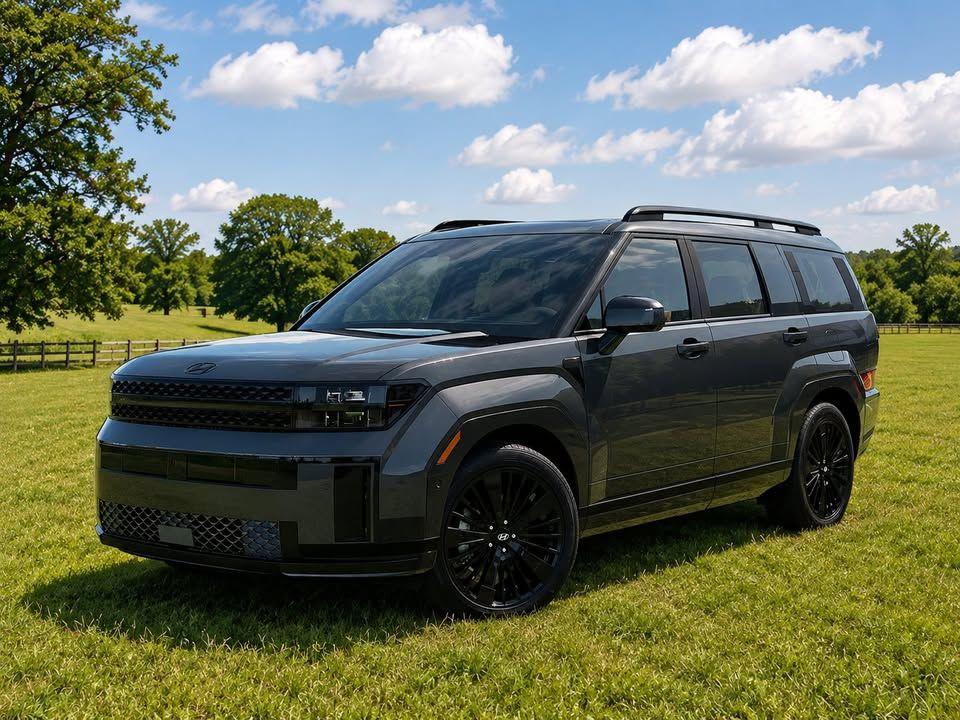
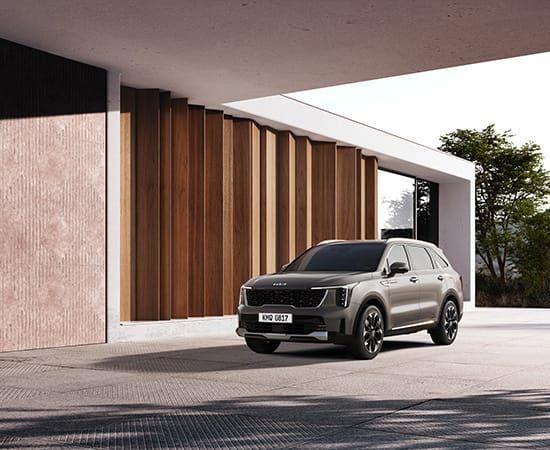
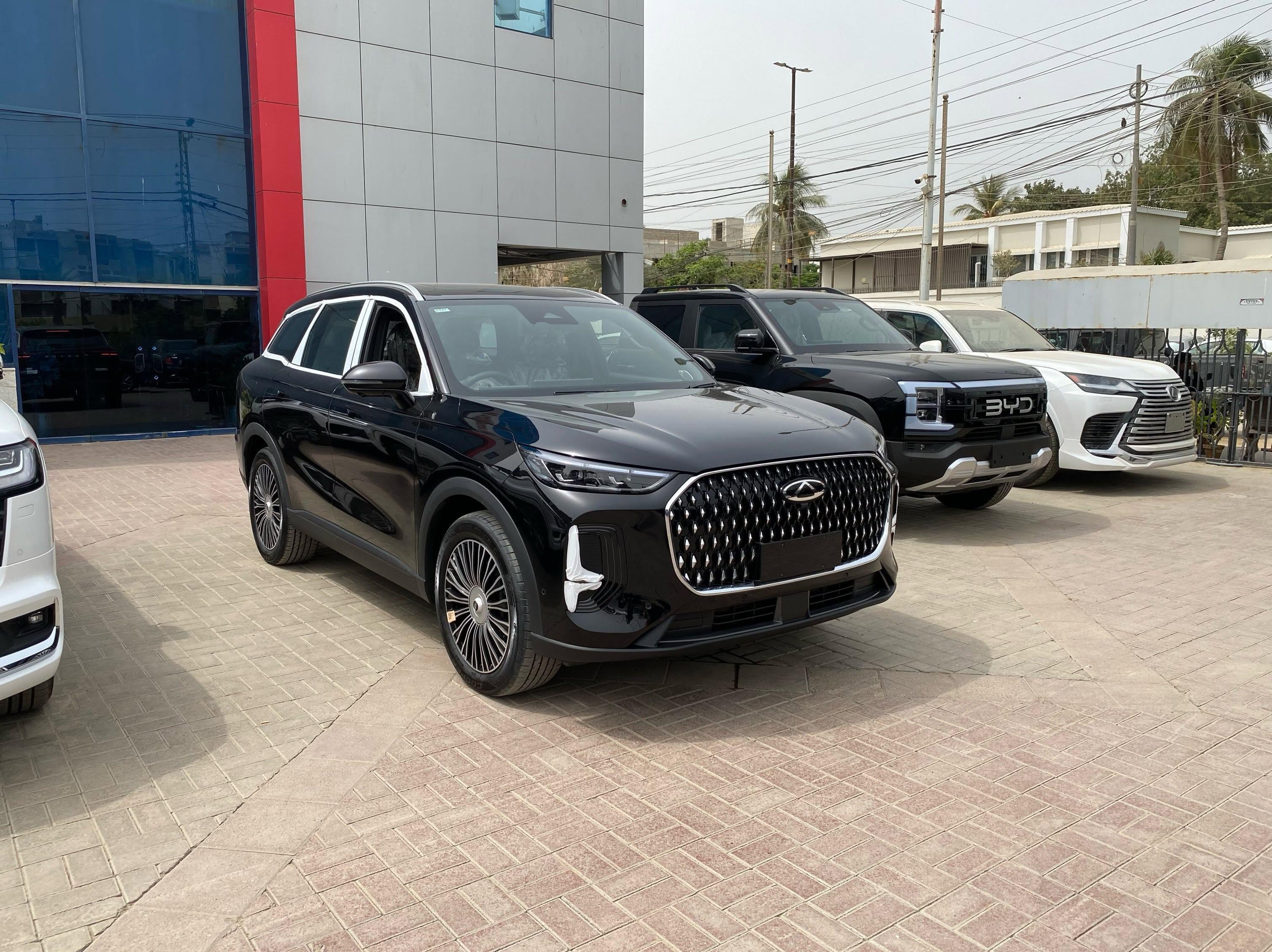
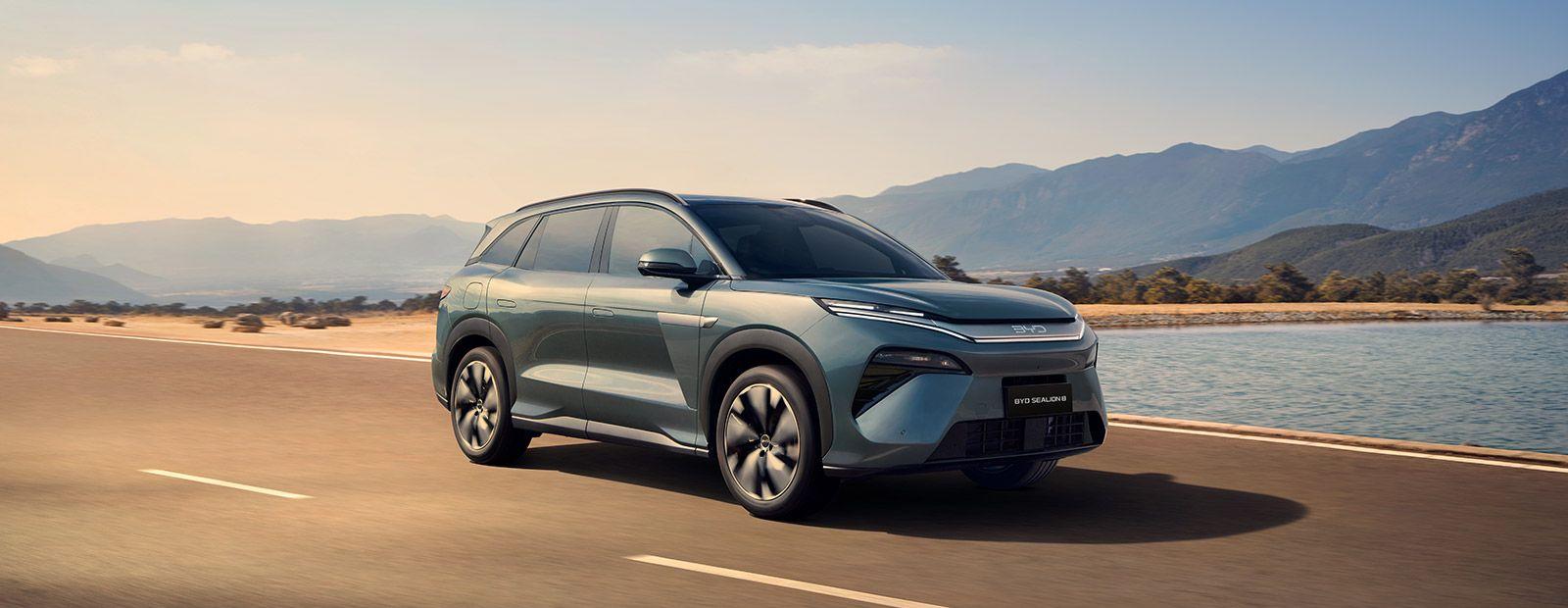
What Exactly is a Subcompact SUV?

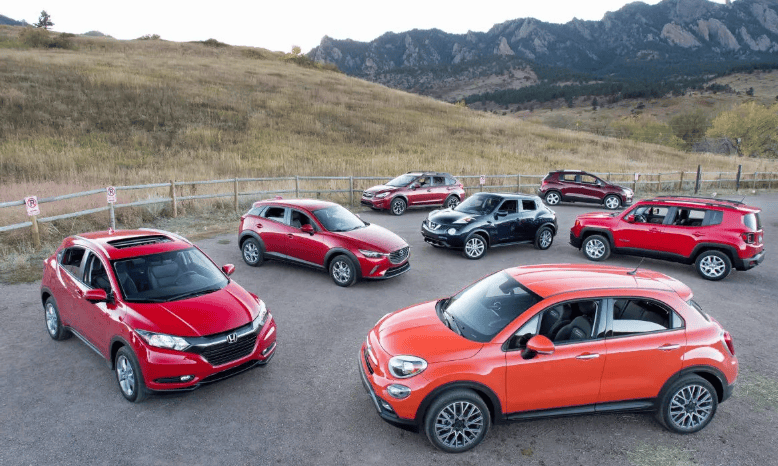
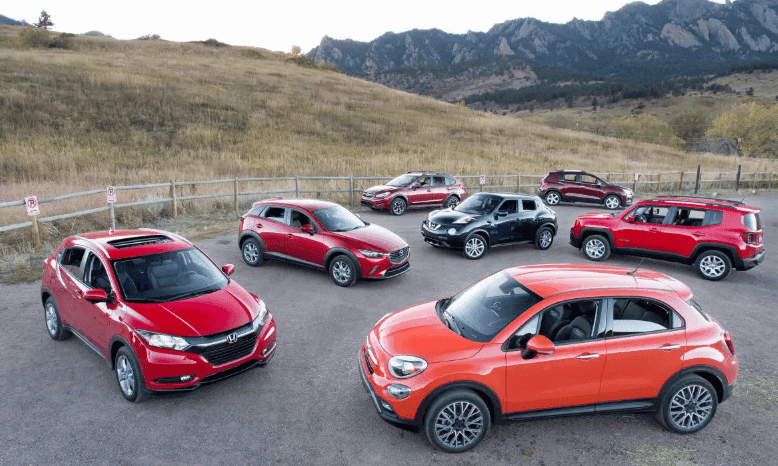
Today at Motor Guide, we are discussing a vehicle category that has completely turned the automotive sector upside down, both in Sri Lanka and globally, and is currently the most popular segment in the market. That is the Subcompact SUV category. Over the past few years, whenever you hit the road, you see these types of vehicles everywhere. Even people who usually drove sedans are now inclined to choose a Subcompact SUV as their next vehicle. So today, let's clearly discuss what this vehicle category is, its technical background, and what factors you should consider when buying and using one.
The Birth of the Subcompact SUV
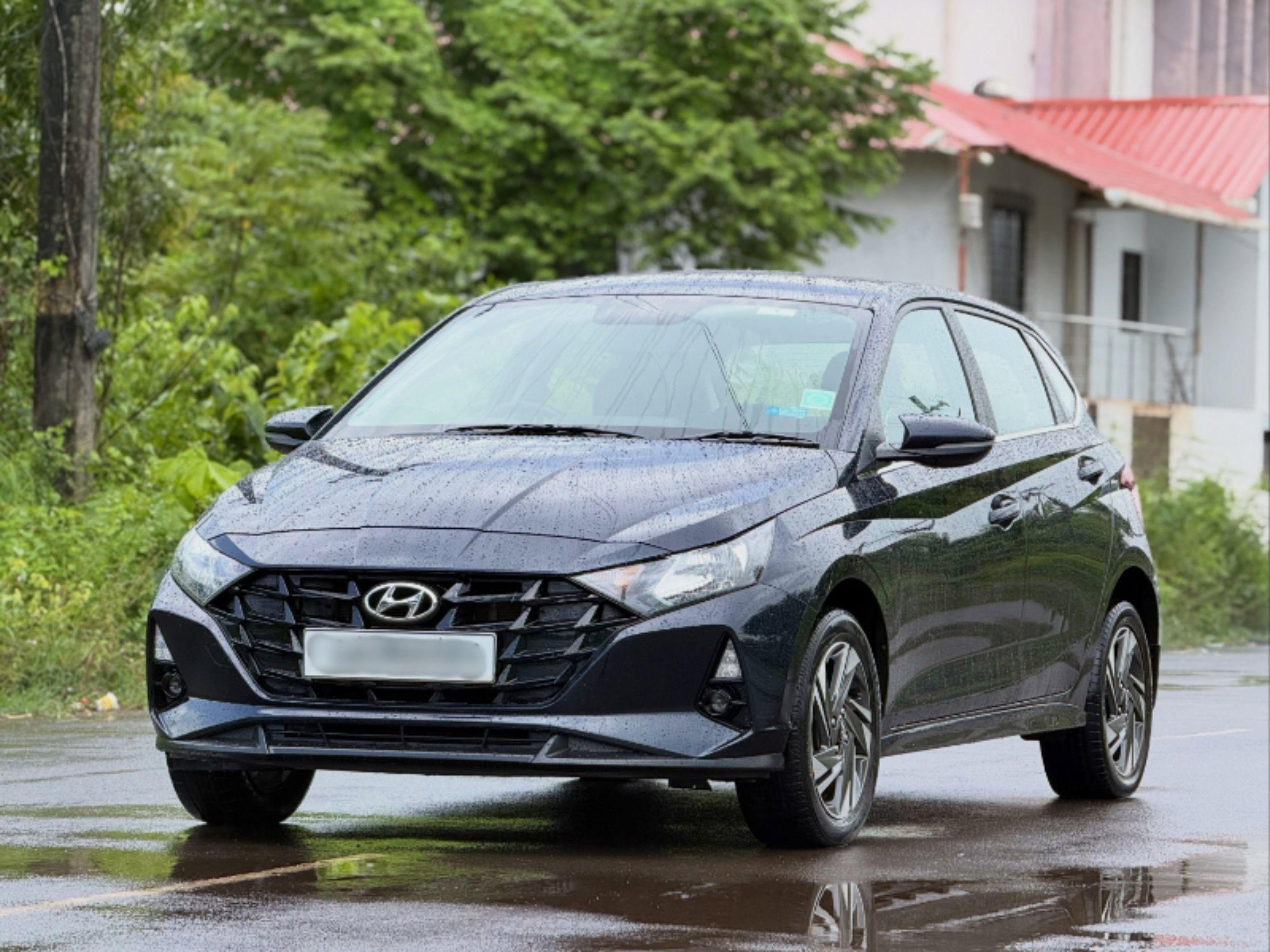
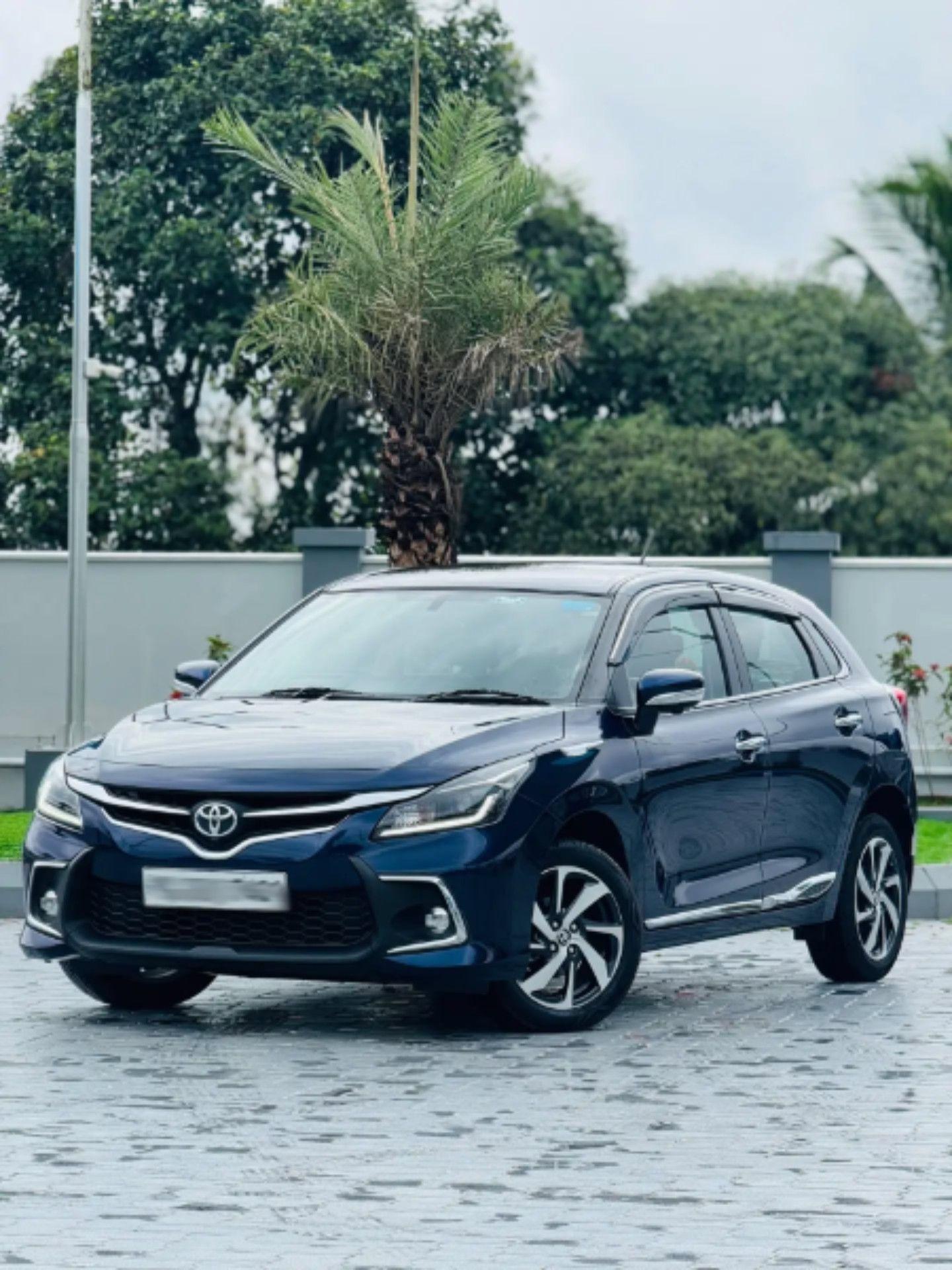
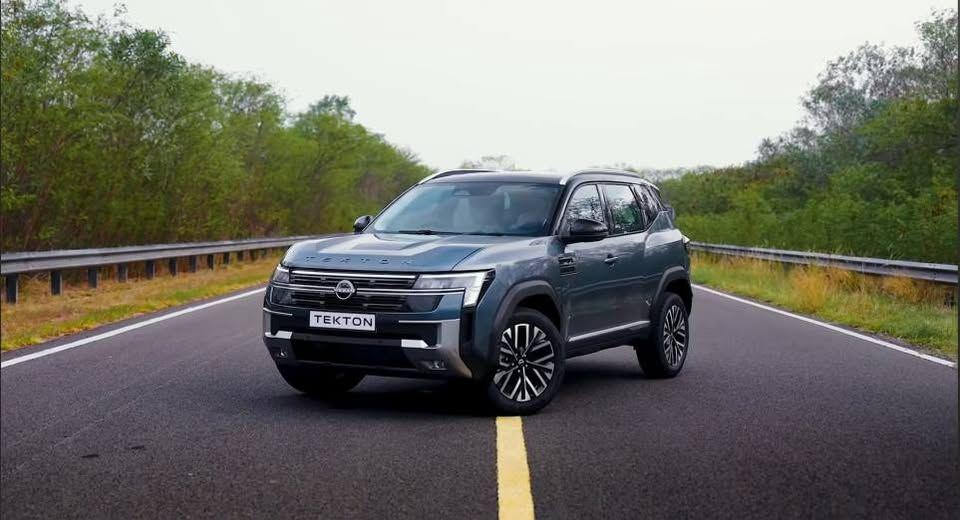
This vehicle category was created as a result of automakers attempting to combine several consumer needs into one package. Simply put, these Subcompact SUVs are manufactured by combining the convenience, agility, and fuel economy of a regular small hatchback car with the rugged appearance, ride height, and commanding road view of a large SUV. As professionals in this field, one thing we constantly observe is that not everyone has the financial capacity to buy large SUVs, and driving or parking those massive vehicles on narrow city roads is extremely difficult. The best and most successful solution to that problem was introducing these small-sized Subcompact SUV vehicles to the market.
Technical and Mechanical Structure
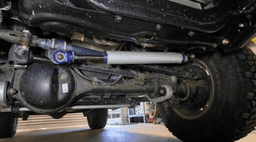
It is very important to discuss the interior and mechanical side of these vehicles. These Subcompact SUVs utilize a chassis structure known as a Monocoque or Unibody. This means they do not have the body mounted on a separate heavy metal ladder frame like large, traditional SUVs. They are designed using the very same platforms used to build standard cars, but with slightly increased height and structural rigidity. Because of this, the weight of these vehicles is relatively low. Additionally, the driver gets a very comfortable, car-like, easy-handling experience.
The ground clearance—the height from the ground to the bottom of the vehicle—is significantly higher in these vehicles than in standard cars. Therefore, on roads full of potholes and obstacles like in Sri Lanka, they can be driven easily without scraping the undercarriage.
Engine and Transmission Performance
Looking at the engine technology in these vehicles, you will mostly find small-capacity engines ranging from 1.0 Liters to 1.5 Liters. In today's modern vehicles, 3-cylinder turbocharged engines are widely used. Even though it's a small engine, the turbocharger technology allows it to deliver power equivalent to a larger engine. Furthermore, to maximize fuel economy, Hybrid technology is also heavily integrated into these vehicles.
As industry experts, we constantly inspect the transmission systems or gearboxes that come in these vehicles. Most Subcompact SUVs are equipped with Continuously Variable Transmissions (CVTs). These provide an extremely smooth drive and greatly assist in fuel efficiency. However, if they are not maintained on time, major faults can occur in the transmission system.
Driving Experience and Interior Space
When you get inside a vehicle of this model, the first thing you feel is that you are sitting higher up compared to a normal car. We call this a "Commanding Driving Position." Because you have a clear view of the road ahead and the surroundings, controlling the vehicle is very easy for the driver.
Regarding interior space, there is usually enough room for a family of five to travel quite comfortably. However, these are not three-row, 7-seater vehicles like large SUVs. While the boot space at the back is larger than that of a standard hatchback, you cannot expect to load massive amounts of luggage. Nevertheless, since the rear seats can be folded down, you have the ability to expand the cargo space when needed.
Limitations and Disadvantages
Every vehicle has its advantages as well as certain limitations and disadvantages. As professionals, we must clearly tell you that these are not true, hardcore SUVs. This means you cannot take these vehicles on heavy off-road trails. They are not built to be driven through deep mud, over boulders, or up extreme, rugged inclines. Most Subcompact SUVs come as Front-Wheel Drive (FWD) vehicles, powered only by the front two wheels. Even though some models have All-Wheel Drive (AWD) technology, that is mostly intended only to maintain vehicle stability on slippery roads.
Also, because a torsion beam setup is often used for the rear suspension in these vehicles, it is sometimes hard to expect the ultra-plush ride quality found in large luxury sedans. You might feel the bumps on the road slightly inside the cabin.
Market Trends and Maintenance
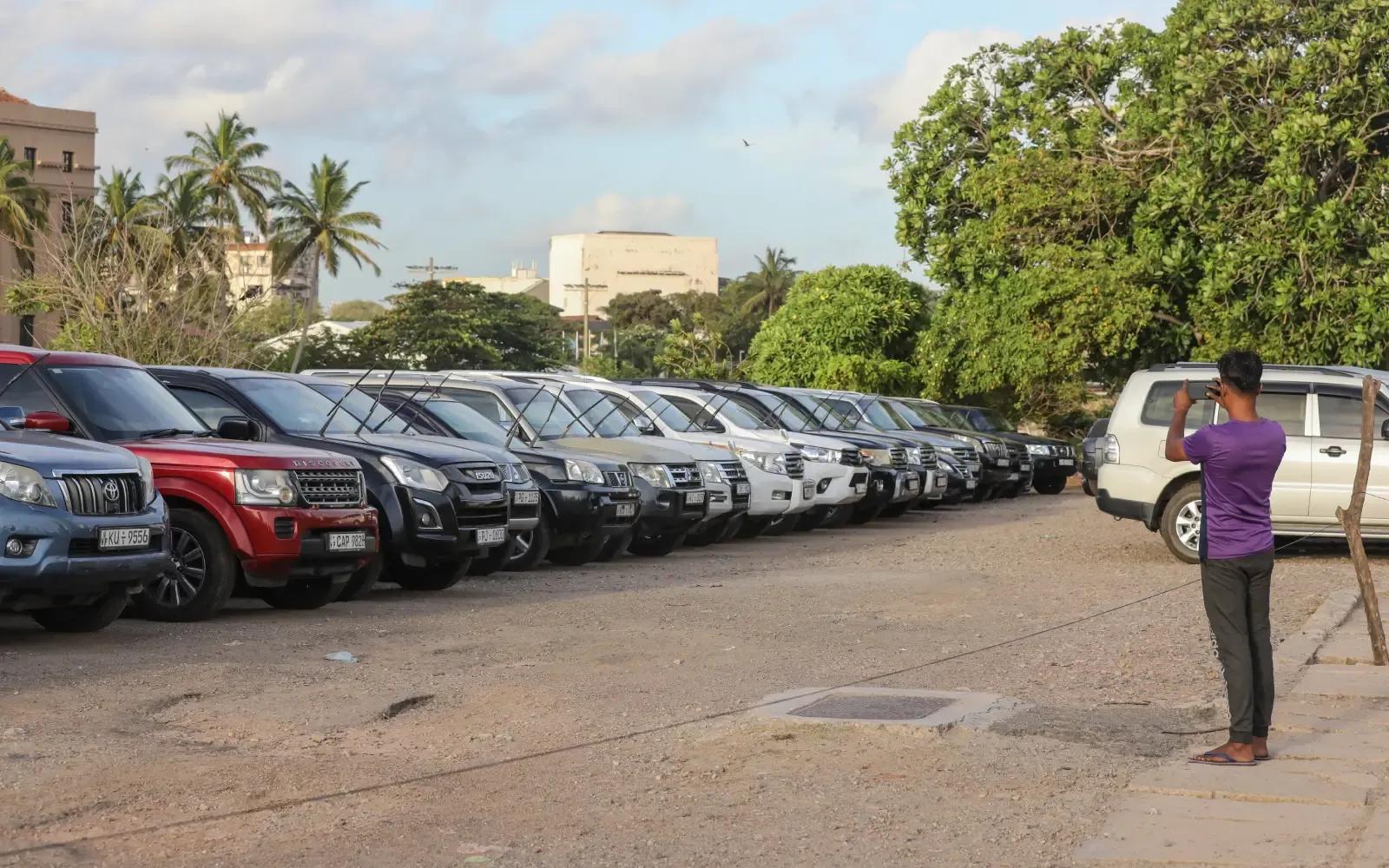
Looking at the Sri Lankan market, vehicles like the Honda Vezel, Toyota Raize, Toyota C-HR, and Nissan Kicks hold the highest popularity in this category. Another thing we notice is that maintaining these vehicles is not vastly different from maintaining a standard car. However, their sensor technology and electronic systems are highly complex. Therefore, timely servicing and using high-quality engine and gear oils are mandatory. Especially in hybrid models, keeping the battery cooling systems clean directly extends the vehicle's lifespan. Even an engine tune-up must be done to precise standards.
Motor Guide's Final Advice
Motor Guide's advice is this: if you are planning to buy a Subcompact SUV these days, first think carefully about your daily needs and lifestyle. If you need a vehicle that is easy to drive on city roads, has high fuel economy, looks modern, and has an elevated ride height, a Subcompact SUV is the perfect choice for you. However, if you have a large family, constantly transport heavy cargo, or expect to go off-roading on harsh terrains, these vehicles will not suit you.
Also, when buying a secondhand vehicle from the market, do not be fooled by just the exterior appearance. Make your decision only after a complete computerized inspection of the vehicle's engine, gearbox, suspension, and chassis condition by a qualified automotive technician.
And don't forget to always stay tuned with Motor Guide to learn more valuable information like this about modern vehicles and technology!

Written by
Nisaga Sandaru
A versatile and highly experienced professional, currently an Automobile undergraduate at the University of Jaffna, with strong technical expertise grounded in hands-on work as a technician with SriLankan Airlines Ground Support Equipment (GSE). Holding an Automobile NVQ Level 3 qualification, along with specialized certifications in Vehicle ECU Programming and Diagnosis, and extensive experience in arc welding and vehicle body painting, and well equipped to handle complex automotive, diagnostic, and fabrication-related tasks with a high level of competence.