The New 'Green Tax' and Concessional Tariff System for Vehicle Imports Introduced in 2026


Today at Motor Guide, we are discussing the brand-new tax regulations governing vehicle imports to our country in 2026, as well as the highly talked-about 'Green Tax' and the concessional tariff system. As you all know, vehicle imports were almost completely halted over the past few years due to the country's economic situation and foreign exchange crisis. However, the government took steps to gradually relax these restrictions starting in 2025. Along with that, by the year 2026, a completely new tax policy and legal framework for vehicle imports have been introduced. Through these new rules, the government expects to restore the vehicle market while creating a favorable environment for the country's ecosystem and energy consumption. That is exactly why the 'Green Tax' concept has been given such high priority.
The Core of the Green Tax Policy
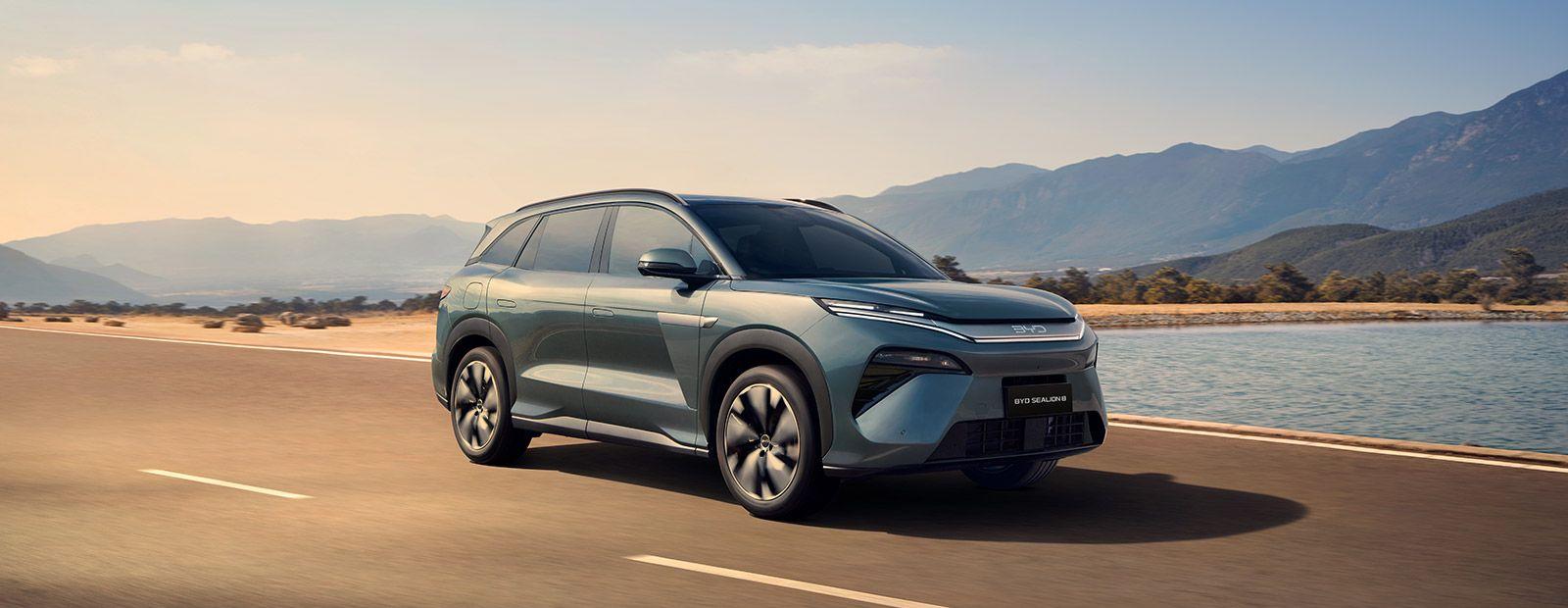
A primary component of this vehicle import tax system, designed specifically for the year 2026 in Sri Lanka, is this Green Tax policy. What this essentially does is impose higher taxes on traditional fuel-powered vehicles that emit harmful smoke and higher carbon emissions, while providing massive tax relief for eco-friendly vehicles. Under this Green Tax system, highly concessional tariff percentages have been mandated for fully Electric Vehicles (EVs), Plug-in Hybrid Electric Vehicles (PHEVs), and vehicles equipped with e-smart technology.
While the total accumulated tax for importing a standard petrol or diesel vehicle to Sri Lanka remains at an exorbitant level of 300% to 400%, the government has taken steps to keep the total tax burden for electric vehicles at a highly concessional rate of 100% to 200%. This clearly shows the government's intention to reduce the country's fuel consumption and steer the public towards green energy.
Adjustments to the Luxury Tax Threshold
As professionals in this field, we constantly study the technical structures of vehicles as well as their market values and tax impacts. When looking at the brand-new tax amendments of 2026, we can clearly see that the Green Tax concept has been maximally utilized even in the imposition of the Luxury Tax. Generally, this luxury tax is determined based on the Customs value (CIF Value) of a vehicle. Here, the government has set the luxury tax threshold for petrol and diesel vehicles at Rs. 5 million.
However, if you are importing an eco-friendly Hybrid vehicle, that threshold is increased to Rs. 5.5 million, and for a fully electric (EV) or e-smart vehicle, it is increased up to Rs. 6 million. This means that importers of green vehicles only have to pay the luxury tax on the portion that exceeds this specific elevated limit. The financial relief and savings this offers to the consumer are massive.
Recent Surcharges and Additional Levies
Furthermore, we must discuss a few other special tax amendments recently introduced specifically for the year 2026. Effective from this past April, previous tax exemptions on vehicle imports were removed, and a 2.5% Social Security Contribution Levy (SSCL) has been newly added to vehicles. Because this tax is calculated on the total tax base generated after all other taxes are added, it has a direct impact on the final Landed Cost of the vehicle.
Another significant event is the government's decision to impose a 50% temporary Surcharge on the Customs Import Duty, effective from May 16, 2026, for a period of three months. The government took this emergency step to control the pressure of foreign exchange outflow caused by a massive, sudden influx of vehicles into the country. However, amidst all these tax revisions, the advantage of green vehicles remains highly protected due to their initial concessional tariff structure.
Technical Calculation and Age Restrictions
If we talk further about the technical side of this tax system, the Excise Duty for traditional vehicles is calculated under various brackets based on the engine's CC (cubic capacity). But according to the 2026 Green Tax system, the taxes for EVs and e-smart vehicles are calculated based on the maximum power output of the motor in Kilowatts (kW) and the vehicle's year of manufacture.
The government is also strictly regulating the manufacturing age limits of vehicles this year. Generally, import opportunities are only granted for brand new vehicles (one year or less) and vehicles not older than 3 years. By restricting the import of older vehicles, the government expects to control harmful emissions released into the environment, as well as save the foreign exchange spent on unnecessary maintenance costs and spare parts within the country. Therefore, the 2026 tax system is not merely a revenue-generating mechanism, but a visionary program designed for the overall energy security of the country.
The Compound Tax Structure Advantage
Vehicle taxes in Sri Lanka operate under a Compound Tax Structure, meaning taxes are calculated on top of one another. First, the basic Customs Import Duty (CID) is calculated on the vehicle's CIF value. Then, the surcharge is added to that. Excise taxes and Luxury taxes are then added on top of that accumulated total. Finally, the 2.5% SSCL and 18% VAT are applied to the massive final amount created by all these combined taxes.
Because the base tax rates and Excise duty values are kept at very low levels for green and electric vehicles, this concessional system directly helps to reduce their final price drastically compared to regular fuel vehicles. This provides an exceptional price advantage to the consumer. This Green Tariff concession system is the primary reason why there can be a price gap of millions of rupees between a petrol vehicle and an electric vehicle of the exact same class when they hit the market.
Motor Guide's Final Advice
Motor Guide's advice is that if you are preparing to import a vehicle to Sri Lanka during the year 2026, you must act with a very clear understanding of these latest tax laws and Green Tax concession schemes. When compared with the heavy tax burdens and maintenance costs associated with a standard fuel vehicle, choosing an Electric Vehicle (EV) or a highly advanced Plug-in Hybrid—the latest trend in the modern world—can bring you a huge financial advantage and long-term savings.
When selecting a vehicle, pay close attention to its manufacturing year, the motor's Kilowatt (kW) capacity, and especially the standards of the battery technology and the manufacturer's warranty. Because government tax policies and temporary surcharge impositions can change from time to time, it is absolutely mandatory to get the most accurate calculations done by a trusted vehicle importer or customs clearing agent based on the prevailing official gazette notifications and customs tariffs before ordering a vehicle or opening Letters of Credit (LC). By prioritizing eco-friendly modern technology, you can obtain both tax relief and a premium driving experience.
And don't forget to always stay tuned with Motor Guide to learn more valuable information like this about modern vehicles and technology!

Written by
Nisaga Sandaru
A versatile and highly experienced professional, currently an Automobile undergraduate at the University of Jaffna, with strong technical expertise grounded in hands-on work as a technician with SriLankan Airlines Ground Support Equipment (GSE). Holding an Automobile NVQ Level 3 qualification, along with specialized certifications in Vehicle ECU Programming and Diagnosis, and extensive experience in arc welding and vehicle body painting, and well equipped to handle complex automotive, diagnostic, and fabrication-related tasks with a high level of competence.