What is the Anti-Hoarding Surcharge Regarding Vehicle Imports in 2026?


Today at Motor Guide, we are discussing a special topic that everyone must know about, which has turned the vehicle import sector upside down in the year 2026: the Anti-Hoarding Surcharge. At a time when vehicle imports to Sri Lanka have recommenced, we are going to explain in detail what this new legal policy introduced by the government is, how it impacts the vehicle market, and how it affects you as an ordinary consumer.
This information will be highly valuable for anyone looking forward to buying a vehicle, as well as for anyone interested in this field.
Hoarding and Artificial Shortages
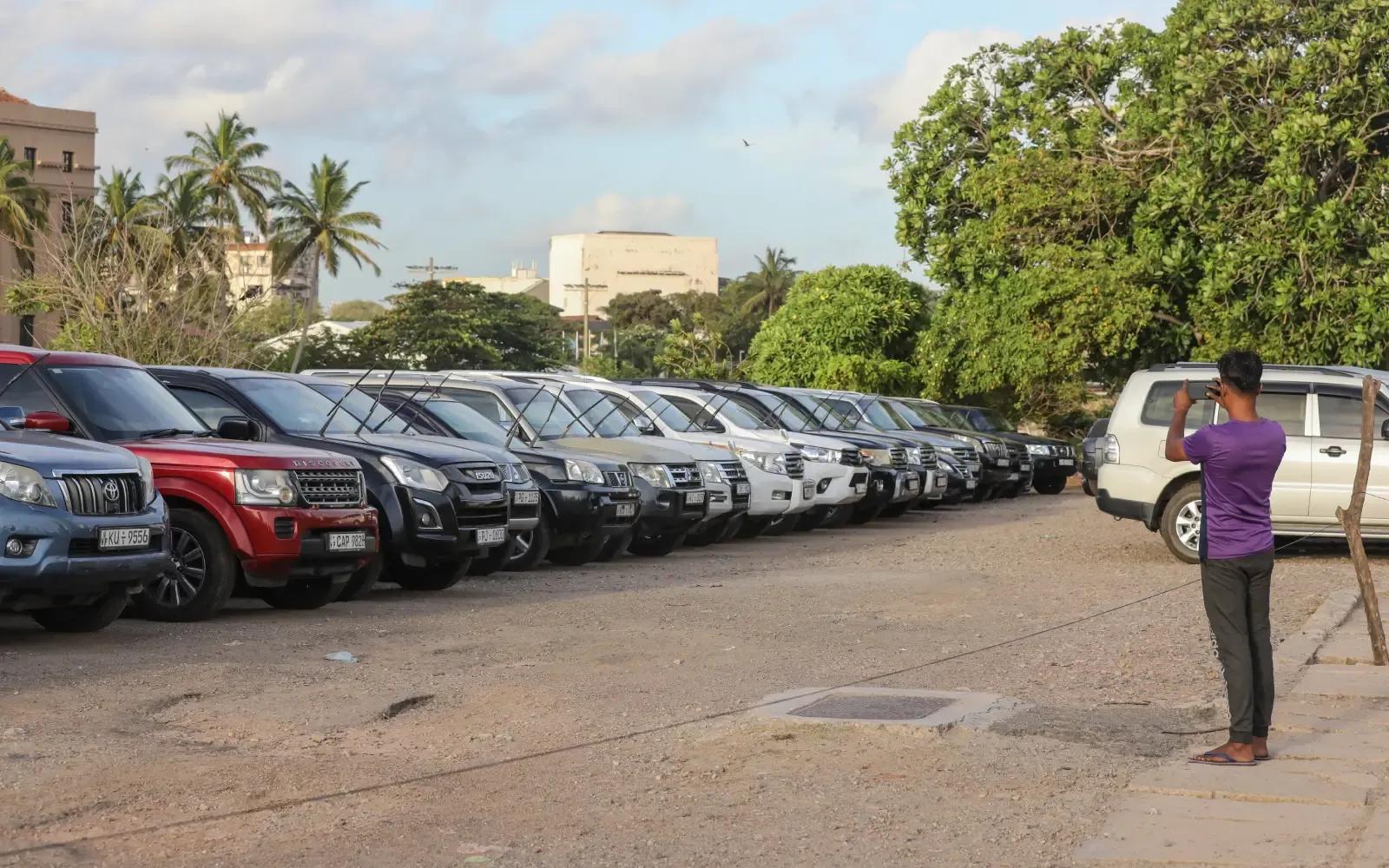
First, let's look at what hoarding or stockpiling vehicles means. Generally, when there is a shortage of goods in a market, it is natural for the prices of those goods to rise. What some businessmen and large-scale importers do is bring vehicles to Sri Lanka in massive quantities and keep them hidden in large yards without releasing them to the market all at once. Through this, they create an artificial vehicle shortage in the market. As consumer demand and competition increase due to that shortage, they gain the ability to hike vehicle prices massively.
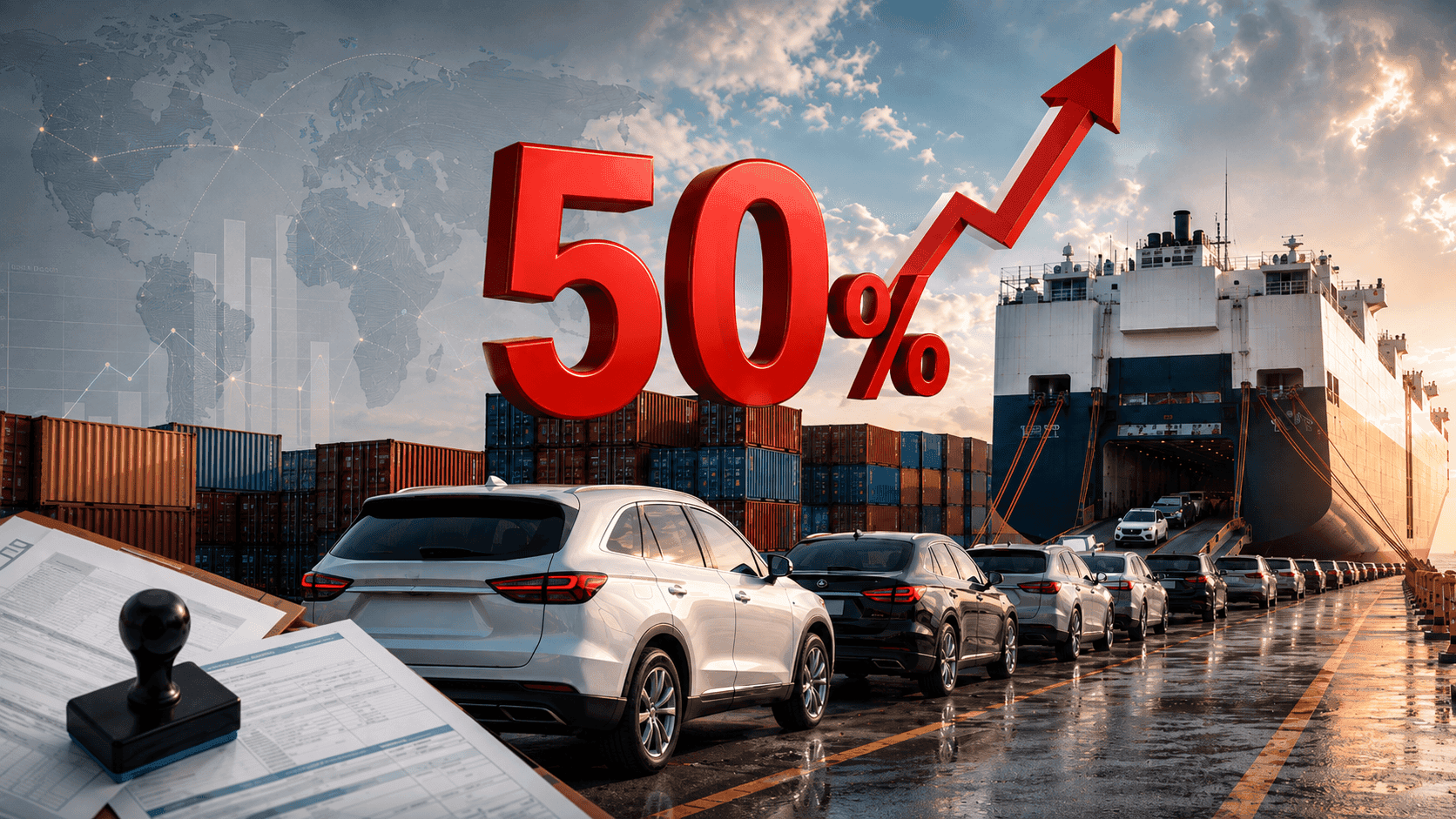
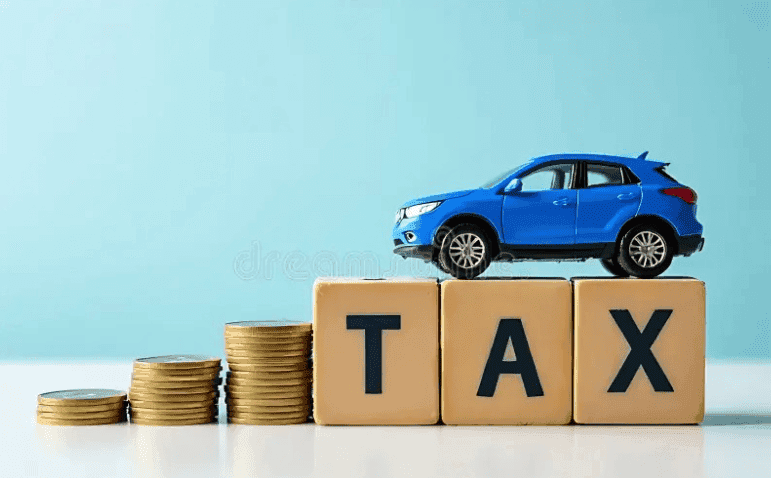
To completely eliminate such unfair and unethical trade practices, the government has imposed this Anti-Hoarding Surcharge. Simply put, this can be described as a penalty tax or an additional fee imposed on those who do not release vehicles to the market on time and hoard them.
How the Surcharge Operates
We need to clearly understand how this system operates. From the day a vehicle is imported to Sri Lanka from a foreign country, customs duties are paid, and it is cleared from the port, importers are given 90 days to sell or register that vehicle to a consumer. If that specified time limit is exceeded and the vehicle is still held without being sold, a hefty additional fee must be paid daily or monthly. This fee is calculated as a percentage of the vehicle's value. Because of this, storing and holding onto vehicles is no longer profitable for businessmen in any way. They are forced to release their vehicle stocks to the market quickly at a fair price.
Breaking Market Monopolies
As professionals in this field, we clearly know how much imposing such a surcharge affects market stability. Because vehicle imports were restricted in the past, vehicle prices in Sri Lanka skyrocketed. Even though permission to import vehicles has now been granted again, without strict rules like this, large businessmen holding a market monopoly could control the entire market. They could have imported vehicles in bulk, hoarded them, and determined the prices however they wanted. However, thanks to this new system implemented in 2026, an equal and fair market is created for small and medium-scale importers as well as the general public. No one will get the chance to artificially control vehicle prices on their own whims.
Preventing Technical Issues
Let's talk a bit about the mechanical and technical side of this. We know that a vehicle is not something that should just be parked in one place; it is a machine that needs to be driven constantly. Especially in 2026, the vehicles being imported to Sri Lanka are equipped with the latest technology in the world. The hybrid and electric battery systems, modern sensors, and main computer systems contained in these vehicles can develop various faults when parked in one spot for a long time. Specifically, due to the high humidity and salinity in Sri Lanka, parking vehicles outdoors for long periods causes wiring harnesses to degrade, brake systems to rust, and tires to deform. Therefore, by preventing vehicle hoarding, consumers receive brand-new vehicles of the highest quality without any defects.
Preventing Vehicle Permit Misuse
Additionally, this Anti-Hoarding Surcharge significantly contributes to preventing the misuse of vehicle import permits. Some individuals hold onto tax-concession permits granted by the government to professionals and institutions in various fields, attempting to sell them on the black market at a higher price. Or else, they hold onto the permit until it expires, waiting for the "best time" instead of importing a vehicle. Under this new law, once a permit is issued, a vehicle must be ordered and imported to Sri Lanka within a specific timeframe. If not, an additional fee will have to be paid for that as well. As a result, the misuse of permits is almost entirely eradicated, ensuring that the required volume of vehicles flows into the country as intended.
Benefits to the Consumer
The biggest advantage a consumer gets from this system is the ability to buy a vehicle that provides true value for their hard-earned money. Because businessmen cannot hold onto vehicles, they are always looking to offer attractive prices and various discounts to sell off their stocks quickly. This results in vehicle prices dropping to a level favorable to the consumer. Such strict consumer-friendly laws have never been implemented in the Sri Lankan vehicle market before. Therefore, anyone planning to buy a vehicle in 2026 can consider this a very positive message.
Motor Guide's Final Advice
So, with these new laws, if you are planning to buy a vehicle these days, look to get the maximum benefit. Do not be in a rush, panic, and end up buying old stock available in the market at higher prices. When selecting a vehicle, check the exact date it was imported to Sri Lanka and its customs documents very carefully. Furthermore, before purchasing a vehicle, get a qualified technician to inspect its computer systems and the health of its batteries. Because, while some importers might try to sell vehicles quickly to escape these rules, they might be vehicles that were stored without proper maintenance. Therefore, think wisely and take steps to select the best vehicle at a fair price at the right time.
And don't forget to always stay tuned with Motor Guide to learn more technical information and details about modern vehicles like this!

Written by
Nisaga Sandaru
A versatile and highly experienced professional, currently an Automobile undergraduate at the University of Jaffna, with strong technical expertise grounded in hands-on work as a technician with SriLankan Airlines Ground Support Equipment (GSE). Holding an Automobile NVQ Level 3 qualification, along with specialized certifications in Vehicle ECU Programming and Diagnosis, and extensive experience in arc welding and vehicle body painting, and well equipped to handle complex automotive, diagnostic, and fabrication-related tasks with a high level of competence.