Fully Understanding the New 50% Vehicle Import Tax in 2026

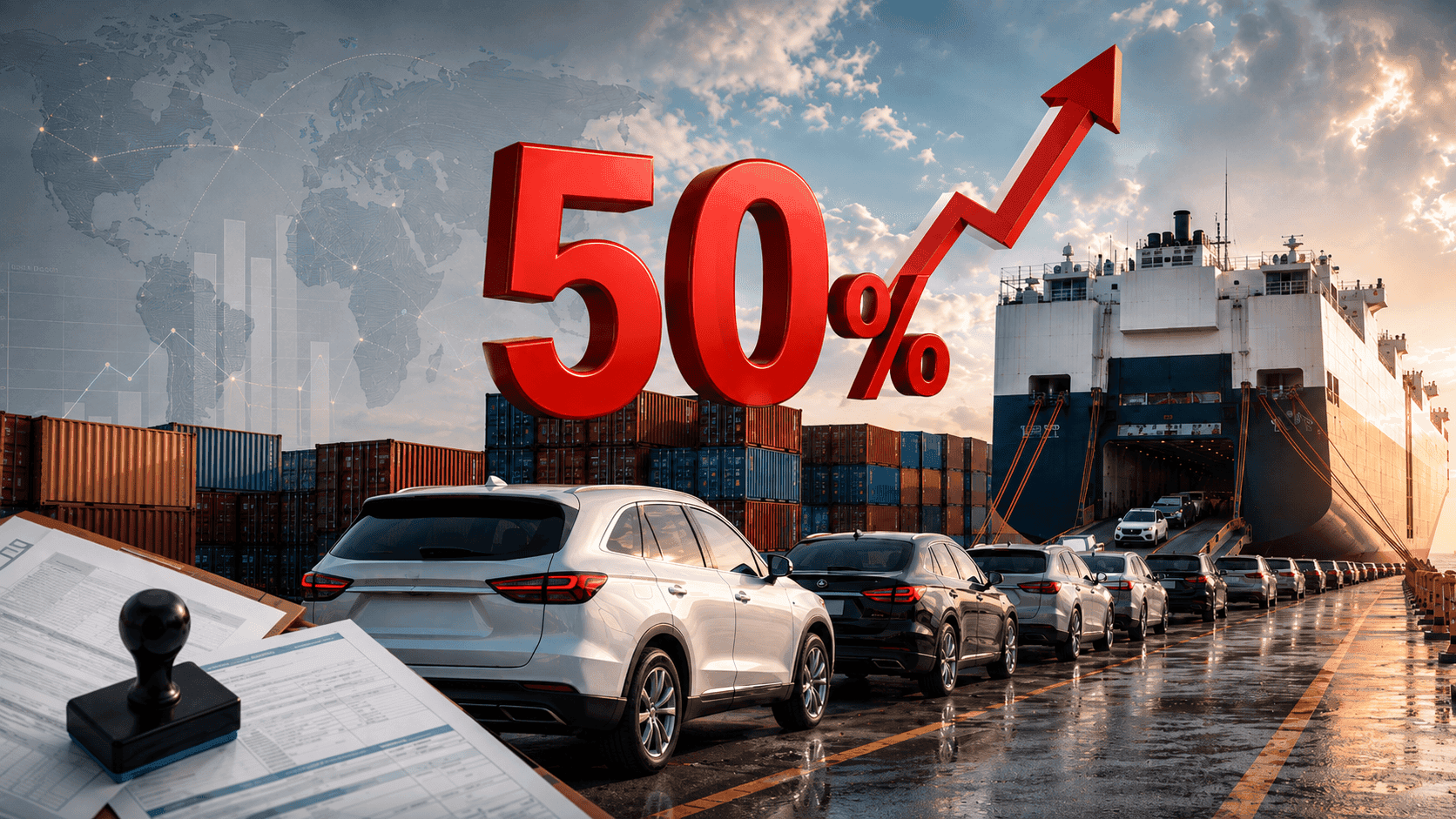
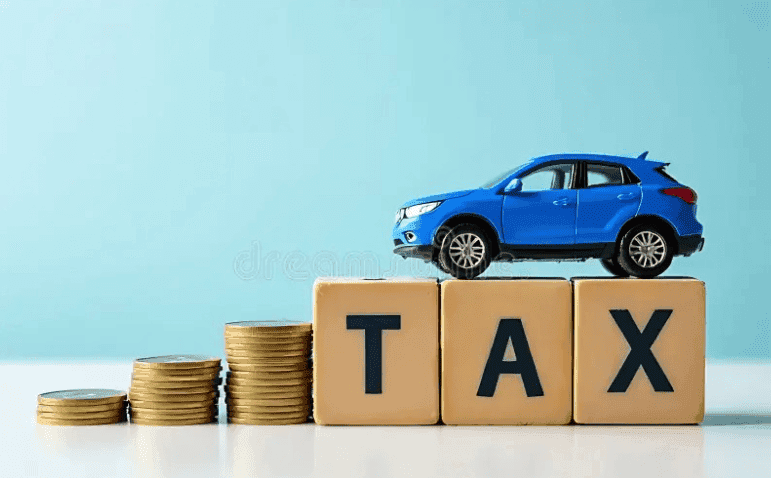
Today at Motor Guide, we are discussing the recent tax revisions added to Sri Lanka's vehicle import sector in 2026 and the massive changes they have caused in vehicle prices. The government has decided to impose a new 50% surcharge tax on customs duties starting from May 1st, in addition to the previous 30% base tax. With these two new tax revisions, the total cost of importing a vehicle and putting it on the road has completely changed. Therefore, it is highly valuable for everyone dreaming of buying a vehicle to understand this accurately. If you proceed without proper technical and financial understanding, there is a high chance that your hard-earned money will go to waste.
How the 50% Surcharge Tax Operates
First, let's look at how this 50% surcharge tax, effective from May 1st, works. Generally, when a vehicle enters Sri Lanka through customs, there is a base customs duty to be paid. This 50% additional surcharge tax is applied on top of that customs duty amount. That means an extra 50% tax is added to the previous customs duty. Additionally, when a 30% direct tax is added to the CIF value of the vehicle, the combination of these two taxes increases the final market price of the vehicle by a much larger margin than we expect.
For example, for a vehicle with a customs duty of 2 million rupees, this new surcharge tax adds another 1 million rupees. Then, along with other taxes, the price increases massively when the vehicle hits the roads in Sri Lanka. As professionals in this field, we always analyze what happens to the vehicle market and the quality of vehicles when such a large volume of taxes is added. Since this tax came into effect on May 1st, importing vehicles to Sri Lanka has become highly complicated and expensive. To cut costs, there is a high likelihood that some importers and consumers might be tempted to bring in low-quality or high-mileage used vehicles from foreign countries. We advise you not to compromise on technical standards and safety features just to save on tax money. If you do, the maintenance costs later on could be far higher than the taxes themselves.
Impact on Hybrids, EVs, and Small Engine Vehicles
This 50% surcharge tax and the 30% tax imposed from May 1st heavily affect almost all vehicle models across the board. Especially since the technology in hybrids and electric vehicles (EVs)—which are the most popular in Sri Lanka—is advanced, their base prices and customs duties are quite high. Consequently, the 50% surcharge tax applied to them becomes equally massive. Another trend we foresee as industry experts is that, due to this heavy tax burden, there is a high chance that vehicles with very low engine capacities, meaning 660cc or 1000cc engines, will be imported more frequently in the future. Because the customs duty for such vehicles is lower, the payable surcharge tax also remains at a relatively lower level.
Beware of Auction Scams and Accident Vehicles
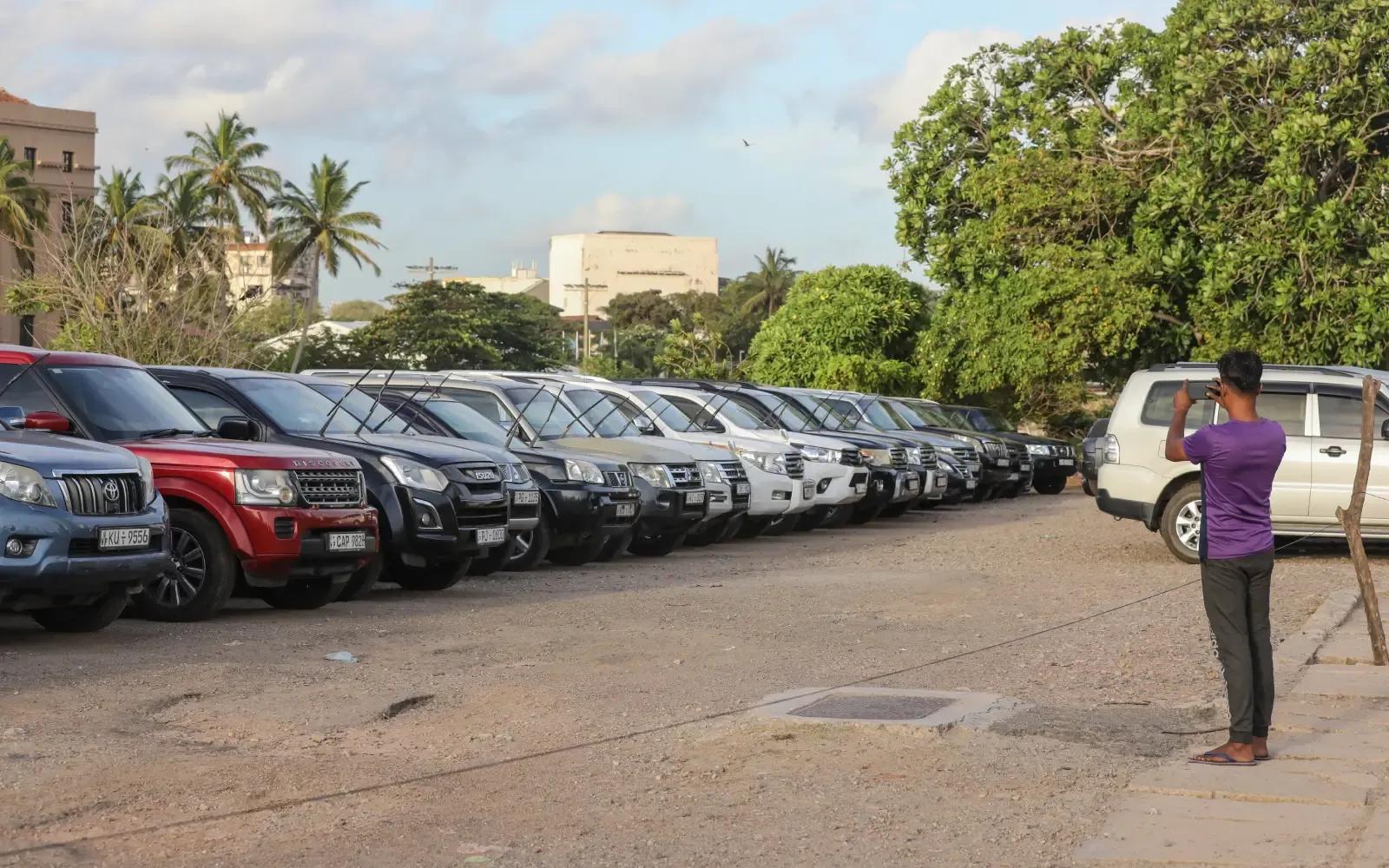
In such a complex tax environment, you must be much smarter than usual when selecting a vehicle. When importing vehicles from countries like Japan or the UK, you must thoroughly verify the accuracy of the auction sheets and the genuine mileage of the vehicle. Due to high taxes, some fraudulent businessmen might attempt to import damaged vehicles bought at low prices, fix them up, and sell them as vehicles in good condition. We constantly remind you to get a skilled automobile engineer to thoroughly inspect the vehicle's computer systems and certify that major components like the engine and gearbox are functioning at 100% before purchasing.
Effects on the Used Car Market and Spare Parts
These new tax policies have also had a massive impact on Sri Lanka's existing used car market. Because the prices of incoming vehicles will soar due to the 50% additional tax from May 1st, the prices of used vehicles will not drop as expected. Furthermore, the cost of spare parts and maintenance could also indirectly rise because of these taxes. If the heavy tax burden restricts the volume of vehicles and spare parts entering Sri Lanka, market shortages could occur, driving up prices. Also, when buying a vehicle, simply looking at its appearance is not enough; you must definitely find out if spare parts required for future maintenance, like plugs, filters, and sensors, are easily available in the local market.
Special Considerations for Electric Vehicles (EVs)
If you are particularly looking to buy an electric vehicle, there are a few extra things to consider alongside this new 50% surcharge tax and the 30% tax. If the battery pack—the most vital component of an EV—is not in optimal condition, you will face massive inconvenience in a very short time. Given the high temperatures in Sri Lanka, battery lifespan can degrade quickly. Therefore, when paying exorbitant taxes to import a vehicle, it is absolutely essential to obtain a 100% solid certification regarding the battery's health.
Vehicle Permits and Market Stability
Additionally, attention should be paid to how this new surcharge tax affects the vehicle permits issued to government employees and various professionals. Even with a permit, if these new tax amounts are not fully exempted, permit holders will also have to spend a large amount of money out of pocket when importing a vehicle. Because of this, we can assume it will take some time for market prices to stabilize. This is because the validity period of a surcharge tax like this is usually 3 months. Regardless, anyone intending to buy a vehicle must remain vigilant about all these aspects.
Motor Guide's Final Advice
Regarding these new taxes, Motor Guide's advice is this: due to the 50% surcharge tax and the 30% tax effective from May 1st, massive price fluctuations are occurring in the vehicle market. Therefore, do not rush into decisions at this time. Before importing a vehicle to Sri Lanka, have an experienced agency accurately calculate the exact total tax amount charged by Customs for the specific vehicle model you choose. Do not fall for substandard vehicles just because they seem cheap. Since a vehicle is an investment of a large sum of hard-earned money, always make sure to seek proper guidance from automotive technicians regarding its technical condition and future maintenance, and choose only the best vehicle.
And don't forget to always stay tuned to Motor Guide to learn more valuable information like this about modern vehicles and technology!

Written by
Nisaga Sandaru
A versatile and highly experienced professional, currently an Automobile undergraduate at the University of Jaffna, with strong technical expertise grounded in hands-on work as a technician with SriLankan Airlines Ground Support Equipment (GSE). Holding an Automobile NVQ Level 3 qualification, along with specialized certifications in Vehicle ECU Programming and Diagnosis, and extensive experience in arc welding and vehicle body painting, and well equipped to handle complex automotive, diagnostic, and fabrication-related tasks with a high level of competence.