The Impact of Frequently Using a Vehicle for Short Trips on the Engine

When using a vehicle, many people think that driving fewer kilometers is very good for the car. There are plenty of people who proudly say, "Oh, this hasn't been driven much at all; I only take it to go to the shop." However, at Motor Guide, we tell you that constantly driving short trips of 2 or 3 kilometers can be far more destructive to an engine than driving 100 kilometers continuously. Today, we will explain to you exactly why this short-distance driving is so harmful to an engine.
The Impact on Engine Oil
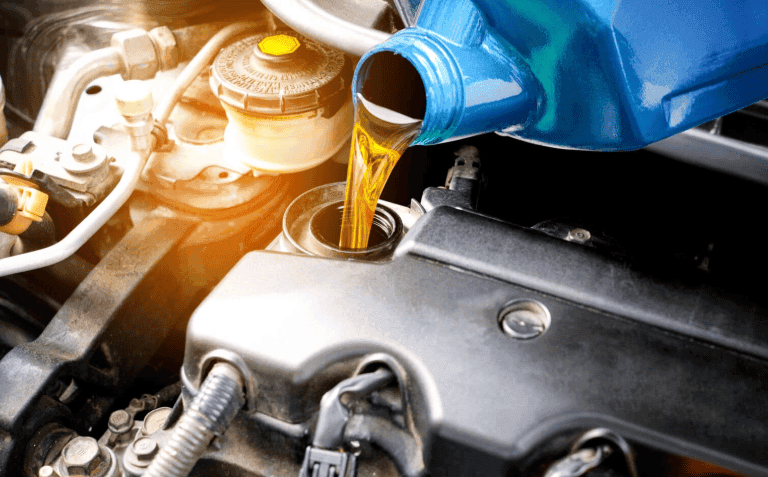
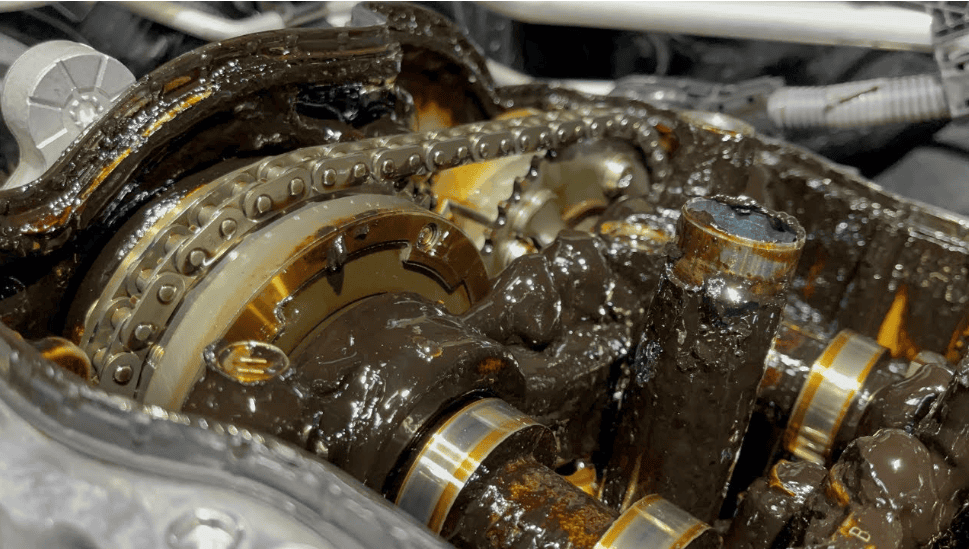
The main job of the oil inside an engine is to stop metal parts from rubbing against each other. When the engine operates, a small amount of water vapor and fuel vapors leak into the lower part of the engine (Crankcase) due to the combustion process. If you use the vehicle for long distances, the engine heats up well, and these water and fuel vapors evaporate and are expelled.
However, if you only go for short 5 or 10-minute trips, the engine oil does not have the time to reach its proper operating temperature. Consequently, those water vapors mix with the oil and create a thick, muddy layer called 'Sludge'. Because of this sludge layer, the oil loses its lubricating properties, and engine components start to wear out quickly. If you open the oil filler cap and see a white or milky honey-like coating inside, it means your short-distance driving is destroying your oil.
Fuel Combustion and Carbon Deposits
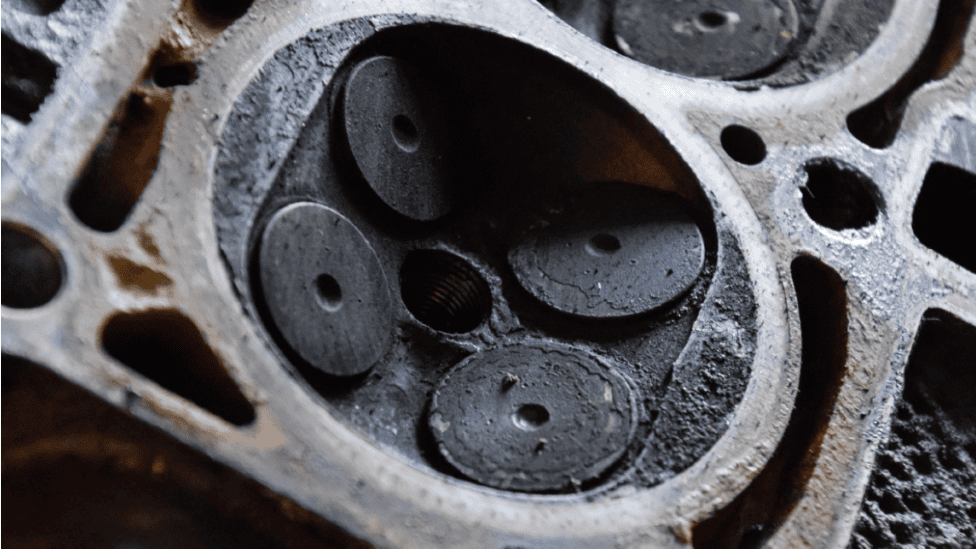
When an engine is cold, as soon as it is started, the computer sends a higher amount of fuel (Rich mixture) into the cylinders. This is similar to pulling the 'choke' in older vehicles. Until the engine warms up, this excess fuel burns incompletely.
If you finish your journey before the engine warms up, that unburned fuel causes carbon layers to build up on top of the pistons, on the valves, and at the tips of the injectors. Because of this carbon, over time, the engine's 'pick-up' decreases, noise increases, and fuel efficiency drops significantly. While on a long journey these carbon layers burn off and are removed due to high heat, during short trips, they just get baked on harder and thicker.
The Battery and Charging System
The moment a vehicle is started is when the battery expends the most electricity. Generally, to recharge the amount of electricity spent from the battery, the vehicle needs to be driven continuously for at least 15 to 20 minutes.
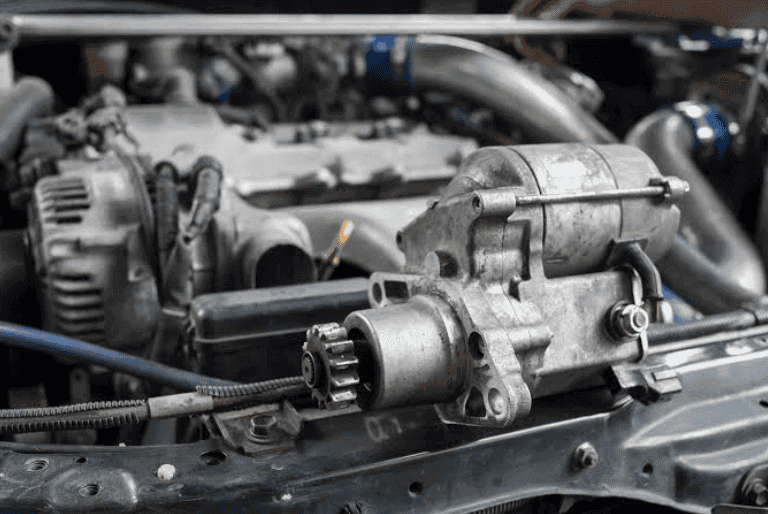
If you drive 1 or 2 kilometers and stop the vehicle, the Alternator does not have enough time to fully charge the battery. Because of this, the battery is constantly in a 'low charge' state. When this happens, the plates inside the battery become 'sulfated', and a battery that should last 4-5 years might fail in just about 2 years. This is especially detrimental to the complex electronic systems found in modern vehicles.
Exhaust System Rusting
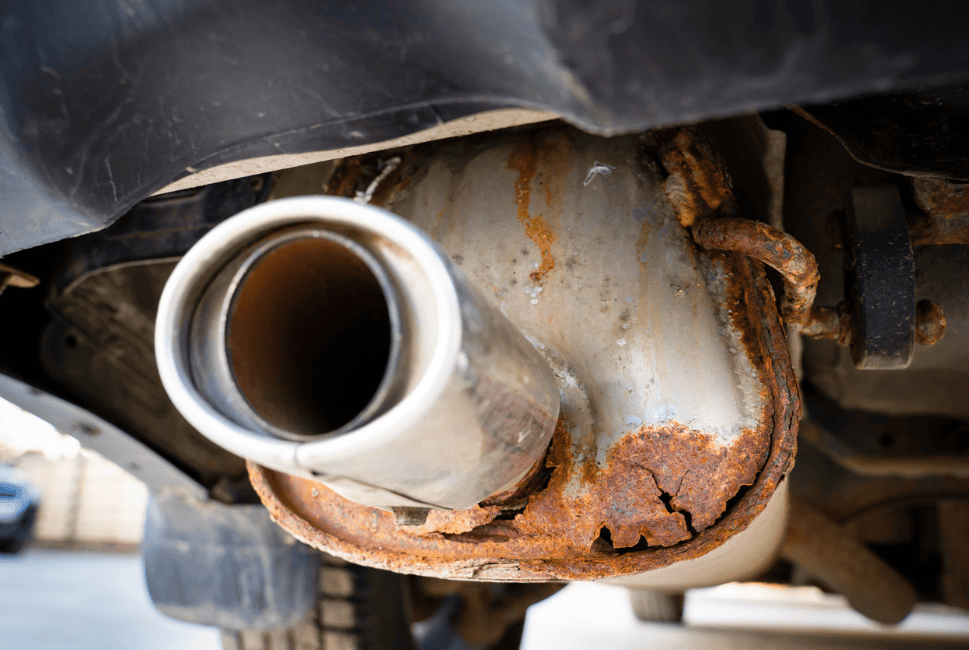
This is something many people do not know. Water vapor is also created inside the exhaust system when fuel burns. When you go on a long journey, the silencer pipe heats up well, so that water evaporates and goes out. But when you stop after a short distance, water droplets form inside the warm silencer and remain trapped there. Because of this water, the inside of the silencer pipes starts to rust and corrode. That is the primary reason why silencers rot quickly in vehicles used for short distances.
Mechanical Solutions and Advice
If your usage is strictly limited to short distances, follow this advice to protect your engine.
- Do not wait for the manufacturer's recommended mileage for oil changes. For example, if it is recommended to change oil at 5,000 kilometers, but you frequently drive short distances, change your oil at around 3,500 kilometers. This is because your oil suffers more damage due to short trips.
- Drive it out. At least once a week, drive the vehicle continuously for 20-30 kilometers on a highway or a road with less traffic. This allows the engine to heat up properly and removes the moisture and carbon deposits inside.
- Warm it up gently. After starting the vehicle, wait for about 30 seconds before beginning your journey. Also, do not drive at high speeds or press the accelerator hard until the engine warms up (until the temperature gauge reaches the middle).
- Use quality fuel. Whenever possible, get fuel from a reliable fuel station. Also, use a 'Fuel System Cleaner' at least once a year to clean the injectors.
Short-distance usage is like a 'silent killer' for an engine. Therefore, if you act with an understanding of this, you will be able to use your vehicle's engine for many more years without it causing any trouble.

Written by
Nisaga Sandaru
A versatile and highly experienced professional, currently an Automobile undergraduate at the University of Jaffna, with strong technical expertise grounded in hands-on work as a technician with SriLankan Airlines Ground Support Equipment (GSE). Holding an Automobile NVQ Level 3 qualification, along with specialized certifications in Vehicle ECU Programming and Diagnosis, and extensive experience in arc welding and vehicle body painting, and well equipped to handle complex automotive, diagnostic, and fabrication-related tasks with a high level of competence.